Mixing metals in home decor is an effective way to make an interior feel layered, distinctive, and thoughtfully designed. Instead of matching every faucet, cabinet handle, light fixture, and decorative accessory, you can combine different finishes to create contrast and visual interest. The challenge is making those finishes feel connected rather than random. The secret is to consider color temperature, proportion, texture, and placement. Once you understand how different metals interact, combining brass, chrome, bronze, nickel, and black finishes becomes much easier.
Before choosing combinations, understand the appearance and character of the most common metal finishes. Each creates a different effect depending on its color, shine, and surrounding materials.
-
Brass and gold: Warm finishes that introduce richness and a decorative touch. Brushed brass feels understated, while polished gold creates a more noticeable statement.
-
Chrome: A cool, reflective silver finish that works well in contemporary and minimalist interiors.
-
Nickel: Available in polished and brushed versions, nickel is versatile and generally softer in appearance than highly reflective chrome.
-
Bronze: A darker, warmer finish that adds depth and works particularly well with traditional, rustic, and transitional interiors.
-
Copper: Recognizable by its reddish warmth, copper can introduce character through lighting, kitchen accessories, or decorative details.
-
Matte black: Although it is a painted or coated finish rather than a metal color, matte black is commonly used alongside metallic hardware to create strong contrast.
Understanding these differences helps you choose finishes based on the atmosphere you want, rather than simply selecting colors that look attractive individually.
Distinguishing warm brass and bronze from cool chrome, brushed nickel, and matte black accents
The easiest way to create a balanced combination is to select one finish as the main metal and use another as an accent. For example, brushed brass might appear on cabinet handles, faucets, and lighting, while matte black is reserved for a mirror frame or smaller accessories.
This does not mean every room needs a strict percentage. It simply gives the space a visual hierarchy, preventing several finishes from competing equally for attention.
Establishing a clear visual hierarchy by anchoring the room with one primary metallic finish
Balance Warm and Cool Tones
Warm metals such as brass, gold, bronze, and copper can look beautiful alongside cooler finishes like chrome and nickel. The contrast is often what makes a mixed-metal interior interesting.
For a more harmonious result, connect the finishes through other elements in the room. Brass and chrome, for instance, can work together when the space includes neutral walls, natural wood, or white stone. These materials soften the contrast and help the different metals feel intentional.
Pairing contrasting metal temperatures harmoniously alongside neutral walls, stone, and natural timber
Limit the Number of Finishes
Two metal finishes are usually enough for a straightforward interior. A third can work when the room has a larger mix of materials or a more eclectic style, but adding too many can make the design feel inconsistent.
Think about the overall effect rather than counting every individual object. If your kitchen already combines brass hardware and stainless steel appliances, introducing another metallic finish should serve a clear purpose.
Repeat Each Finish
A metal finish looks more intentional when it appears in more than one place. If you use brass on a pendant light, consider repeating it in cabinet pulls or a decorative frame.
Repetition creates visual connections across the room. It does not require identical objects; the finish itself provides enough consistency.
Mix Polished and Matte Surfaces
Two finishes with similar colors can still create contrast through their textures. Polished chrome reflects light, while brushed nickel has a softer appearance. Similarly, polished brass feels more decorative than satin or antique brass.
Combining different levels of shine adds dimension without introducing too many colors. This is especially useful in smaller rooms where strong contrasts may feel overwhelming.
Some combinations are particularly versatile and can suit different interior styles.
|
Combination
|
Overall effect
|
Best suited for
|
|
Brass + matte black
|
Warm contrast with a modern edge
|
Kitchens, bathrooms
|
|
Chrome + brass
|
Bright, balanced, and sophisticated
|
Contemporary interiors
|
|
Bronze + brushed nickel
|
Subtle contrast with warmth
|
Traditional and transitional rooms
|
|
Copper + matte black
|
Bold and slightly industrial
|
Kitchens, eclectic spaces
|
|
Gold + chrome
|
Decorative contrast between warm and cool
|
Living rooms, modern interiors
|
When choosing between these combinations, consider the materials surrounding them. Brass often looks especially attractive beside warm wood, while chrome pairs naturally with glass, white surfaces, and cooler color palettes. Bronze and copper can feel more grounded when combined with textured fabrics and natural finishes.
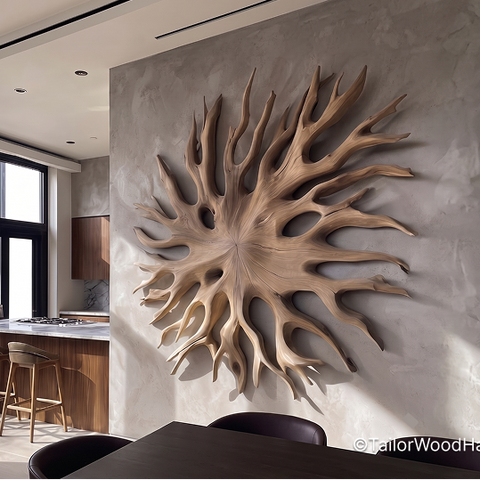
Wood and handcrafted decor are useful for connecting these different elements. For example, carved wood wall art introduces natural texture that can soften the contrast between polished and matte metal accessories.
Exploring versatile pairings like brass and matte black softened by organic textures and carved wood art
Kitchen
Kitchens often contain several metal finishes already, including appliances, faucets, cabinet handles, and lighting. Instead of trying to make everything match, treat stainless steel appliances as part of the existing palette.
You could combine them with brushed brass cabinet pulls and a matte black pendant light. Alternatively, keep the main hardware in chrome and introduce brass through smaller accessories. The important thing is to avoid adding finishes without considering how they relate to the largest visible elements.
Bathroom
Bathrooms benefit from a more controlled approach because faucets, shower fixtures, towel bars, and mirror frames are often close together.
A practical combination is brushed nickel for the main plumbing fixtures with brass accents on lighting or cabinet hardware. This creates contrast without making the space feel overly decorative. If you prefer a stronger look, matte black accessories can provide definition against light-colored tiles and stone surfaces.
Living Room and Bedroom
These rooms offer more flexibility because metal finishes usually appear through lamps, furniture legs, picture frames, mirrors, and decorative objects.
For a relaxed living room, combine a brass floor lamp with black furniture details and a few understated metallic accessories. In a bedroom, brushed nickel bedside lighting can work alongside warmer brass drawer handles.
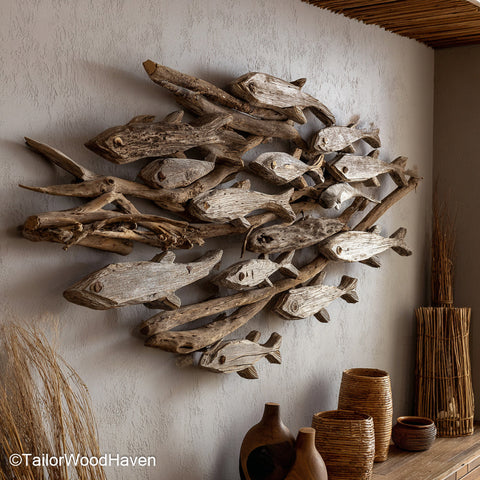
Natural materials can help balance the combination. Textured wood, woven fabrics, and organic decorative forms prevent metallic surfaces from making the room feel too cold. Driftwood wall art is one way to introduce irregular natural shapes and warm wood tones alongside modern metal finishes.
Blending metallic lighting, hardware, and frames with woven fabrics and weathered driftwood wall decor
5. Common Mistakes to Avoid
Even attractive finishes can look disconnected when they are used without a clear design direction.
-
Using too many metal finishes: Several competing colors can make a room feel busy. Start with two and introduce a third only when it adds something meaningful.
-
Ignoring existing fixtures: Appliances, door handles, and plumbing fixtures already influence the room's palette. Consider them before choosing new hardware.
-
Mixing finishes without repetition: A single isolated metal accent may look accidental. Repeat the finish elsewhere to establish a visual connection.
-
Choosing everything in the same level of shine: Too many reflective surfaces can feel harsh. Combine polished, brushed, and matte finishes for more depth.
-
Forcing metals to match exactly: The goal is coordination, not uniformity. Different finishes can coexist as long as their proportions and placement feel intentional.
>>> Read more: How to Match Wood Tones in Home Decor: A Complete Guide
Frequently Asked Questions
Can you mix gold and silver in home decor?
Yes. Gold and silver create an attractive warm-and-cool contrast. Repeat both finishes in different parts of the room and use neutral materials to connect them.
Two finishes are a reliable starting point for most interiors. Larger or more eclectic spaces can accommodate three, provided one remains dominant and the others act as accents.
Should all faucets and cabinet hardware match?
No. They can have different finishes, but consider their proximity and visual importance. A consistent dominant finish across major fixtures can help smaller contrasting details feel deliberate.
Learning how to mix metals in home decor is about creating contrast without losing cohesion. Choose a dominant finish, introduce a complementary accent, and repeat each metal in thoughtful locations. Pay attention to shine, color temperature, and the natural materials surrounding your fixtures and accessories. With a balanced approach, different metal finishes can give your home more depth and personality without requiring a complete redesign.
For handcrafted wood accents that complement a variety of metal finishes, explore Tailor Wood Haven.
|
TAILOR WOOD HAVEN
Address 1: 412 Palmetto Dr, Columbia, SC 29201
Address 2: 1201 Hillside Avenue, Victoria, British Columbia V8T 2B1, Canada
Address 3: Phu Thai Town, Hai Phong 03306, Vietnam
Call us: +1 (647)-608-1571
Email: hello@tailorwoodhaven.com
|
 Skip to content


 Farmhouse Floating Shelves – Perfect handcrafted furniture
 Farmhouse Narrow Console Table with Storage for Entryway or Living Room
 Custom Rustic Console – Natural Wood, Made to Order