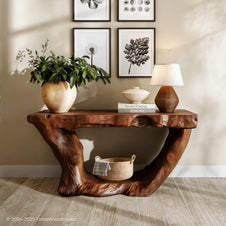
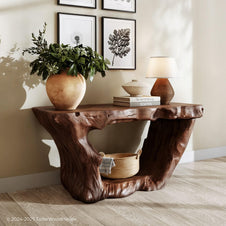
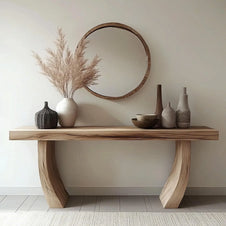
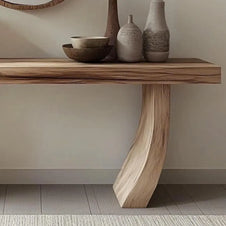
Finding a coffee table that looks good, fits your living room, and stays within budget doesn't have to be difficult. There are plenty of coffee tables under $200 in different sizes, materials, and styles, from compact tables for apartments to larger designs with storage.
Whether you're furnishing a new space or simply replacing an old table, the key is knowing what to look for beyond the price tag. Here's how to find a coffee table that offers the right balance of style, function, and value.
Are Coffee Tables Under $200 Good Quality?
Yes, you can find a good-quality coffee table for under $200. At this price point, however, construction and materials can vary considerably between products.
Many affordable tables use engineered wood, MDF, wood veneer, metal, or a combination of materials. These can work well for everyday use when the table has a sturdy frame and properly constructed joints. Solid wood options are also available, although they may be smaller, use less expensive wood species, or have simpler designs.
When comparing budget coffee tables, pay attention to more than appearance. Check the table's dimensions, weight, materials, construction, and customer reviews. A well-built $200 table can be a better choice than a poorly constructed table that simply looks more expensive.
For everyday living rooms, look for a stable base, a durable tabletop, and a finish that can handle regular use. If you have children, pets, or frequently use your coffee table for meals and drinks, durability should be one of your top priorities.
5 Best Coffee Tables Under $200
The best coffee table under $200 depends on your space and how you plan to use it. These are some of the most practical styles to consider when shopping on a budget.
1. Rustic Live Edge Coffee Table Crafted from Solid Natural Wood
If you are looking to anchor your living room with a true statement piece, a 100% solid wood live edge table brings the raw, untouched beauty of nature directly indoors. Because these tables preserve the tree's natural, unedited outer curves, no two pieces are ever identical, giving you a one-of-a-kind work of art. Finished with a durable matte sealant that protects against daily spills while highlighting deep wood grains and natural knots, it adds an organic, grounding aesthetic that seamlessly elevates your entire home decor.
2. Live Edge Coffee Table with Metal Legs
For those who love organic textures paired with a contemporary edge, a live edge table featuring sturdy metal legs creates an eye-catching industrial contrast. The raw, flowing curves of the natural wood slab stand out beautifully against sleek, geometric steel or iron bases, offering exceptional stability. This style effortlessly bridges the gap between rugged rustic design and modern interior spaces, making it a versatile focal point for any urban home.
3. Live Edge Coffee Table Hairpin Legs
Pairing an organic, heavy wood slab with sleek metal hairpin legs creates the ultimate balance between industrial edge and mid-century modern lightness. The slender steel legs provide robust stability without visual bulk, making this design a brilliant option for smaller apartments or minimalist spaces where you want to maintain an open, airy flow. It effortlessly bridges the gap between bohemian, rustic, and modern industrial styles.
4. Rustic Farmhouse Coffee Table
If your home leans toward a cozy cottage aesthetic or a family-friendly vibe, a rustic farmhouse coffee table offers unmatched warmth and charm. Built with thick, durable wooden planks designed to handle daily wear, tear, and minor dings with grace, its textured, distressed finish makes maintenance an absolute breeze. It pairs effortlessly with plaid textiles, comfortable leather sofas, and neutral color palettes to create a welcoming heart of the home.
5. Rustic Coffee Table with Storage
Blending rugged natural beauty with smart organization, a rustic coffee table with built-in storage solves clutter issues without compromising on style. Whether featuring hidden drawers, a lift-top mechanism, or a sturdy lower shelf, these tables let you easily tuck away remotes, blankets, and magazines. This keeps your gorgeous wood tabletop clean, open, and ready for effortless styling with your favorite books and candles.
How to Choose the Right Coffee Table Under $200
Start with your living room rather than the table itself. The right design should fit comfortably within your existing layout and serve a practical purpose.
Consider the Size
Measure the available floor space before you shop. A coffee table should leave enough room for people to walk comfortably between the table and surrounding furniture.
The table should also look proportional to your sofa. A very small table can feel lost in front of a large sectional, while an oversized table can make a compact living room feel crowded.
See more: How far should coffee table be from couch
Choose a Practical Material
Material affects both appearance and durability. Wood and wood-based tables offer a warm, versatile look, while metal works well for industrial and modern interiors. Glass can visually open up a small space but may require more frequent cleaning.
If durability is your priority, pay close attention to the tabletop construction and frame rather than choosing based solely on the material name.
Match Your Living Room Style
Your coffee table should complement the furniture you already own. A rustic wood table can add warmth to a neutral room, while a simple modern design works well with contemporary furniture.
If your room already has several decorative elements, a clean and understated table may create better balance than another highly detailed piece.
See more: What color coffee table with brown couch
Think About Function
Consider how you actually use your coffee table. If you regularly eat, work, or entertain in the living room, prioritize a stable and reasonably spacious tabletop. If storage is limited, choose a design with shelves, drawers, or a lift-top.
For a small room, a nesting, round, or compact table may provide more flexibility than a large rectangular model.
Check the Details Before Buying
Before ordering, check the complete product specifications rather than relying on photos alone. Pay attention to:
Overall dimensions
Table height
Weight capacity
Materials
Assembly requirements
Storage capacity
Customer reviews
Shipping and return policies
A budget-friendly coffee table is only a good deal if it works for your space and holds up to everyday use.
With so many coffee tables under $200 available, you don't have to sacrifice style to stay within your budget. Focus on the size, construction, material, and features that matter most to you, and you'll have a much better chance of finding a table that looks great and works well for years to come.
The distance between a coffee table and couch can affect how comfortable and practical your living room feels. Leave too little space and the table can feel cramped; leave too much and it may become difficult to reach. If you're wondering how far should coffee table be from couch, a few simple spacing guidelines can help you create a seating area with enough legroom, easy access, and clear movement.
How Far Should a Coffee Table Be From a Couch?
A good rule of thumb is to leave 14 to 18 inches between the front edge of the couch and the nearest edge of the coffee table. For many living rooms, around 16 to 18 inches provides a comfortable balance between easy access and enough legroom.
This distance gives you enough room to sit comfortably without having to stretch to reach the table. It also leaves space for your legs and helps maintain a clear path through the seating area.
The ideal distance can vary slightly depending on your room and furniture. A compact living room may work better with the table closer to the couch, while a deep sofa or spacious seating area may benefit from a little more space.
Choosing the right table shape is just as important learn what shape coffee table for sectional works best for your space.
How to Measure the Distance Between a Couch and Coffee Table
Measure the gap from the front edge of the couch seat to the closest edge of the coffee table. This is the most useful measurement because it reflects the actual space available between the person sitting and the table.
Follow these simple steps:
Place the couch and coffee table where you want them.
Measure from the front edge of the seat cushion to the nearest edge of the table.
Aim for 14 to 18 inches.
Sit on the couch and check whether you can comfortably reach the tabletop.
Walk around the seating area to make sure the table does not interfere with traffic flow.
If you're arranging furniture before moving the table into place, use painter's tape to mark the table's approximate edges on the floor. This makes it easier to test different distances without repeatedly moving heavy furniture.
Remember that the measurement should be taken from the seating edge, not from the couch's back, arm, or front legs. The goal is to measure the usable space between the person sitting and the table.
Besides the distance, the normal height of a coffee table is another key factor to consider for a comfortable setup.
When Should a Coffee Table Be Closer or Farther From the Couch?
The 14-18 inch guideline works well for most rooms, but it should not be treated as an exact measurement for every layout. Your room size, sofa depth, and traffic pattern can all affect the most comfortable position.
For Small Living Rooms
In a small living room, a coffee table may need to sit closer to the couch. Around 12 to 14 inches can work when space is limited, as long as you still have enough room to sit comfortably and move around the table.
Keeping the table slightly closer can prevent the seating area from feeling disconnected. A smaller coffee table or a round design can also make movement easier when there are tight walking paths.
For Large Living Rooms
A larger room usually gives you more flexibility. Keeping the coffee table around 16 to 18 inches from the couch often creates a comfortable amount of space without making the table feel too far away.
If the sofa is particularly deep or the room has generous open space, you may be able to increase the gap slightly. However, avoid pushing the table so far away that reaching for drinks, books, or a remote becomes inconvenient.
For Sectional and Chaise Sofas
Sectionals and sofas with chaise lounges require a little more attention because their seating areas are often deeper or extend in different directions.
Measure the distance from the main seating edge to the nearest edge of the coffee table. If the table sits in front of a chaise, check the legroom and make sure the arrangement does not create an awkward obstruction.
For a sectional with limited floor space, a smaller or rounded coffee table can help maintain a comfortable gap while keeping the surrounding walkway open.
Once you’ve found the right distance, choosing the right Live Edge Coffee Table Dimensions can help create a balanced and functional living room.
Common Coffee Table Spacing Mistakes to Avoid
Even when you know the recommended distance, a few common layout mistakes can make the seating area less comfortable.
Placing the table too close: A gap of less than about 12 inches can leave little room for your legs and make it harder to sit down or stand up comfortably.
Pushing the table too far away: A large gap may give you plenty of walking space, but it can make the tabletop difficult to reach and make the seating arrangement feel disconnected.
Measuring from the wrong point: Always measure from the front edge of the seating area to the nearest edge of the table. Measuring from the couch's front legs or back can give you a misleading result.
Ignoring traffic flow: The distance between the couch and table is only one part of the layout. Make sure people can move around the seating area without constantly bumping into the table.
Choosing a table that is too large: Even with the correct couch-to-table gap, an oversized coffee table can overwhelm the room and leave insufficient space around the rest of the furniture.
Frequently Asked Questions
Is 15 Inches From the Couch a Good Distance for a Coffee Table?
Yes. 15 inches is a comfortable distance for many living rooms and sits within the commonly recommended 14–18 inch range. It provides enough room for your legs while keeping the tabletop easy to reach.
If your room is especially small, you may prefer a slightly smaller gap. A deeper sofa or more spacious layout may work better with 16-18 inches.
Is 20 Inches Too Far From the Couch?
Not necessarily, but 20 inches is farther than the typical 14-18 inch range. It can work in a large room, especially when you need additional walking space or have a deep sofa.
However, test the arrangement before settling on it. Sit on the couch and check whether you can comfortably reach the coffee table without leaning forward. If everyday items feel difficult to access, moving the table closer will usually make the space more practical.
How High Should a Coffee Table Be Compared With a Couch?
A coffee table generally works best when its tabletop is about the same height as the couch seat or slightly lower. A table that is around 1-2 inches below the seat often feels comfortable and keeps the proportions visually balanced.
The right coffee table distance can make a noticeable difference in how comfortable and functional your living room feels. If you're still wondering how far should coffee table be from couch, start with 14 - 18 inches and adjust slightly based on your sofa depth, room size, and traffic flow. The best setup is one that keeps the table within easy reach while leaving enough space to sit, stand, and move around comfortably.
Your coffee table may be a small part of the living room, but the right holiday accents can make it feel like part of the Christmas celebration. From greenery and candles to ornaments and natural textures, there are plenty of ways to create a festive look without making the table feel crowded.
The best Christmas coffee table decor works with your table's shape, size, and existing interior style. Whether your home leans rustic, modern, minimalist, or traditional, a few thoughtfully chosen pieces can create a warm and inviting holiday display.
How to Decorate a Coffee Table for Christmas
Before choosing individual decorations, think about how the entire arrangement will work together. A coffee table should still be comfortable to use, so aim for a display that adds seasonal character without taking over the surface.
Start With a Base
Begin with something that visually connects the decorations. A wooden tray, woven basket, runner, or simple piece of greenery can give the arrangement a defined foundation.
For a natural or rustic room, wood and woven textures work especially well. In a more contemporary space, a metal or glass tray can create a cleaner appearance.
Choose a Focal Point
Every arrangement benefits from one main element that immediately catches the eye. This could be a vase filled with evergreen branches, a small Christmas tree, a candle arrangement, or a decorative bowl filled with ornaments.
Once you have a focal point, build around it rather than adding several large decorations at once. This keeps your coffee table christmas decor visually organized.
Layer Heights and Textures
Flat decorations can make a table look one-dimensional. Combine pieces at different heights, such as a tall vase with shorter candles and small ornaments.
Texture also adds depth. Try combining smooth glass, natural wood, soft greenery, metallic accents, and ceramic pieces to create a more interesting Christmas display.
Add Christmas Colors
Red and green are classic, but they are not your only options. White, cream, gold, silver, deep green, and warm brown can create a sophisticated holiday palette.
Choose two or three main colors and repeat them throughout the arrangement. This creates cohesion without making every piece look overly coordinated.
If your coffee table has a square shape, check out these ideas on how to style a square coffee table for inspiration beyond Christmas décor.
Leave Enough Open Space
A beautifully decorated coffee table still needs room for everyday use. Leave some of the surface open for drinks, books, a remote, or anything else you normally keep nearby.
A smaller number of well-placed decorations will usually look more intentional than covering every available inch.
Christmas Coffee Table Decor Ideas
Once you have the basic layout in mind, you can bring in seasonal details that suit your home's personality.
Create a Christmas Centerpiece
A centerpiece gives your table a clear visual anchor. A vase of evergreen branches, a low arrangement of seasonal flowers, or a bowl filled with ornaments can work beautifully.
For a rectangular table, place the centerpiece slightly off-center or along the middle rather than pushing it against one end. On a round table, a centered arrangement often feels more balanced.
Keep the centerpiece low enough that it does not block conversation across the room.
Add Christmas Greenery
Evergreen branches are one of the easiest ways to introduce Christmas character without relying on lots of themed decorations. Pine, cedar, fir, or eucalyptus can add color and natural texture to the table.
Lay a few branches across a tray or place them in a simple vase. You can also combine greenery with pinecones, berries, or small ornaments for a fuller seasonal display.
Fresh greenery brings a particularly warm look to natural wood and live-edge tables.
Decorate With Pinecones and Red Berries
Pinecones and red berries add a classic Christmas feel while keeping the arrangement connected to nature. Scatter a few pinecones around a centerpiece or place them in a shallow bowl with greenery.
Red berries can provide just enough color to brighten a neutral living room. If your existing decor already has plenty of red, use the berries sparingly so they act as accents rather than overwhelming the display.
Style a Christmas Wreath
A wreath does not have to hang on a door. A small wreath can also work as the foundation for a coffee table centerpiece.
Place it flat on the table and position a candle, vase, bowl, or lantern in the center. The circular shape naturally frames the centerpiece and creates a finished look with relatively few pieces.
This approach works especially well when you want simple Christmas decor that feels intentional rather than overly decorated.
Add Candles for a Warm Glow
Candles can instantly make a Christmas living room feel warmer and more inviting. Use a combination of candle heights or place several candles together on a tray.
For a safer everyday setup, consider flameless LED candles. They provide a similar warm glow without an open flame, making them practical when the coffee table is frequently used.
Metallic candleholders can add a traditional holiday touch, while ceramic or wooden holders work better with rustic and understated interiors.
Create a Mini Christmas Tree Display
A small Christmas tree can become the focal point of a coffee table without taking up the space required by a full-size tree.
Choose one or several tabletop trees in complementary sizes. Place them on a tray, wooden board, or stack of books to create different levels.
Bottle-brush trees, ceramic trees, and small natural trees can all work depending on your decorating style. Keep the colors coordinated with the rest of the room for a more polished result.
Use a Decorative Tray to Group Your Decor
A tray is one of the most useful tools for creating organized coffee table christmas decor. It visually groups several smaller objects so they feel like one arrangement instead of scattered pieces.
Try placing a candle, small vase, ornament bowl, and a few pinecones together on one tray. A rectangular tray works naturally on a rectangular table, while a round tray can complement a circular tabletop.
Another advantage is practicality: you can move the entire arrangement when you need more table space.
Add Warm LED Lights
Small LED lights can add a soft glow without becoming the main attraction. Tuck a short strand around greenery, place battery-powered lights inside a glass jar, or use a small illuminated holiday ornament.
Warm white lights generally create a more relaxed atmosphere than bright, cool-toned lighting. Keep the wiring discreet so the display remains clean during the day.
Bring in Natural Wood and Rustic Textures
Natural materials can make Christmas decorations feel warmer and less artificial. Wooden bowls, small branches, woven baskets, unfinished ornaments, and rustic candleholders are easy ways to introduce texture.
This is particularly effective with a live-edge or solid wood coffee table because the natural grain of the tabletop becomes part of the overall display rather than something hidden underneath the decorations.
If you love a warm, natural look, explore our live edge wood coffee table collection for more Christmas styling inspiration.
Try a Minimalist Christmas Look
You do not need a large collection of Christmas decorations to create a festive coffee table. A simple arrangement of greenery, one candle, and a small decorative accent can be enough.
For a minimalist look, choose pieces with simple shapes and a limited color palette. Leave more of the tabletop visible and avoid mixing too many decorative themes.
The result feels festive while preserving the clean appearance of the living room.
Mix Traditional Christmas Colors With Neutrals
Traditional red and green become more sophisticated when paired with neutral tones such as cream, beige, white, gray, or natural wood.
For example, a green wreath with cream candles and a wooden tray can create a softer Christmas palette. You can then introduce small red accents through berries or ornaments rather than making red the dominant color.
This approach works particularly well when your everyday living room decor is neutral.
How to Arrange Christmas Decor on a Coffee Table
Choosing beautiful decorations is only part of creating successful Christmas coffee table decor. How you position them can make the difference between a balanced display and a cluttered one.
Start With the Largest Piece
Place your largest decoration first. This establishes the visual center of the arrangement and gives you a reference point for everything else.
A vase, lantern, large bowl, wreath, or tabletop tree can serve as the starting point. Add smaller pieces around it instead of deciding where everything should go at once.
Vary the Height of Your Decor
Avoid placing decorations at exactly the same height. Instead, combine tall, medium, and low pieces to create visual movement.
For example, pair a taller vase with medium-height candleholders and low pinecones or ornaments. If everything sits at one level, the arrangement can look flat.
Group Small Items Together
Small decorations often look better when they are grouped rather than spread randomly across the table.
Place several ornaments in a bowl, arrange pinecones around a candle, or combine small trees on one tray. Grouping similar items makes the display feel deliberate and easier to maintain.
Use Groups of Three for Balance
Three-piece groupings are a simple way to create a balanced arrangement without making it too symmetrical.
Try combining a small vase, candle, and decorative object, or use three tabletop trees at different heights. The pieces do not need to match exactly; variation often makes the arrangement feel more natural.
Leave Some Empty Space
Negative space is just as important as the decorations themselves. Open areas allow the individual pieces to stand out and prevent the coffee table from looking overloaded.
If the table feels busy, remove one or two items rather than adding another decoration to fill a gap.
Keep the Arrangement Functional
Your coffee table is still a working surface. Make sure the arrangement leaves enough room for everyday activities and does not interfere with seating or conversation.
If you regularly use the table for drinks or snacks, keep decorations toward the center or group them on a tray that can easily be moved.
If your coffee table is rectangular, explore how to style a rectangle coffee table for more everyday decorating ideas.
Christmas Coffee Table Decor Ideas by Style
Your holiday display should feel connected to the rest of the room. Instead of copying a particular Christmas look, choose decorations that complement your existing furniture and finishes.
Rustic Christmas Coffee Table Decor
Rustic Christmas decor works naturally with wood, leather, woven materials, and other organic textures. Combine evergreen branches with pinecones, wooden ornaments, candles, and a simple tray.
A little imperfection can actually improve the look. Natural branches, unfinished wood, and varied textures help create a cozy holiday atmosphere without feeling overly formal.
Modern Christmas Coffee Table Decor
For a modern living room, focus on clean shapes and a restrained color palette. A simple glass vase, sculptural candleholders, metallic ornaments, or a small geometric Christmas tree can create a contemporary display.
Black, white, cream, green, silver, and muted gold are useful alternatives to a traditional red-and-green combination.
Minimalist Christmas Coffee Table Decor
Minimalist coffee table Christmas decor should focus on a few carefully selected pieces rather than a large collection of seasonal objects.
Try one small arrangement of greenery, a neutral candle, and a single decorative accent. Keep the colors consistent and allow plenty of the tabletop to remain visible.
Traditional Christmas Coffee Table Decor
Traditional Christmas styling is a good choice if you love the familiar combination of red, green, gold, and natural greenery.
Layer a wreath or greenery with red berries, ornaments, candles, and classic holiday figurines. Repeating the same colors in small accents throughout the arrangement will help the display feel cohesive.
What Should Be in the Middle of a Coffee Table for Christmas?
The middle of a coffee table is a natural place for a centerpiece, but the best choice depends on the table's size and shape. A wreath, vase of greenery, decorative bowl, lantern, or small Christmas tree can all work well.
For a large rectangular table, you can create a longer centerpiece using several coordinated objects. A round or small table usually benefits from one compact focal point.
The key is to keep the centerpiece proportional to the table. If it takes up most of the surface, the arrangement will feel crowded and become less practical.
Christmas Coffee Table Decor Tips
Match the scale to the table: Large decorations can overwhelm a small coffee table, while tiny accents may disappear on a large one.
Repeat colors: Use the same one or two accent colors in different pieces to make the arrangement feel connected.
Mix textures: Combine greenery, wood, glass, metal, and fabric for more visual depth.
Keep sightlines clear: Avoid tall decorations that make it difficult for people sitting around the table to see each other.
Decorate around the table material: Natural wood works well with greenery and rustic accents, while glass and metal tables can support cleaner, more contemporary arrangements.
Edit before adding more: If the display feels cluttered, removing one piece will often improve it more than adding another.
Think about everyday use: The best Christmas display should still leave enough space for drinks, books, snacks, and conversation.
With the right combination of seasonal color, natural texture, and thoughtful placement, even a simple coffee table can become a warm part of your holiday decor. The goal is not to fill the surface with Christmas decorations, but to create a display that feels festive, balanced, and natural within your living space.
 Skip to content