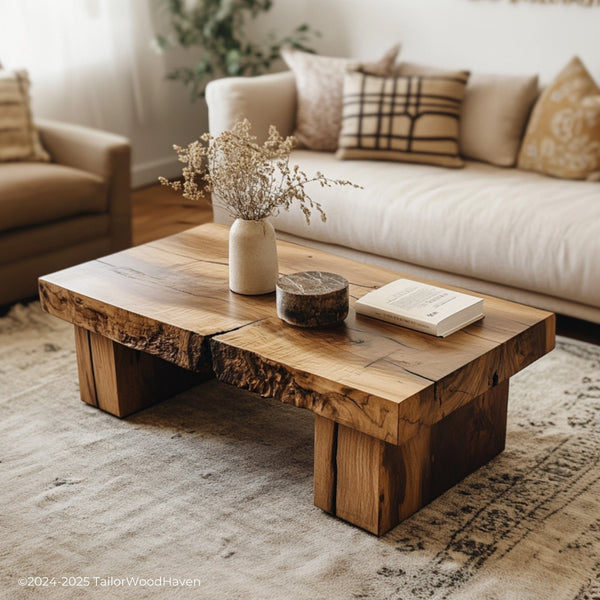
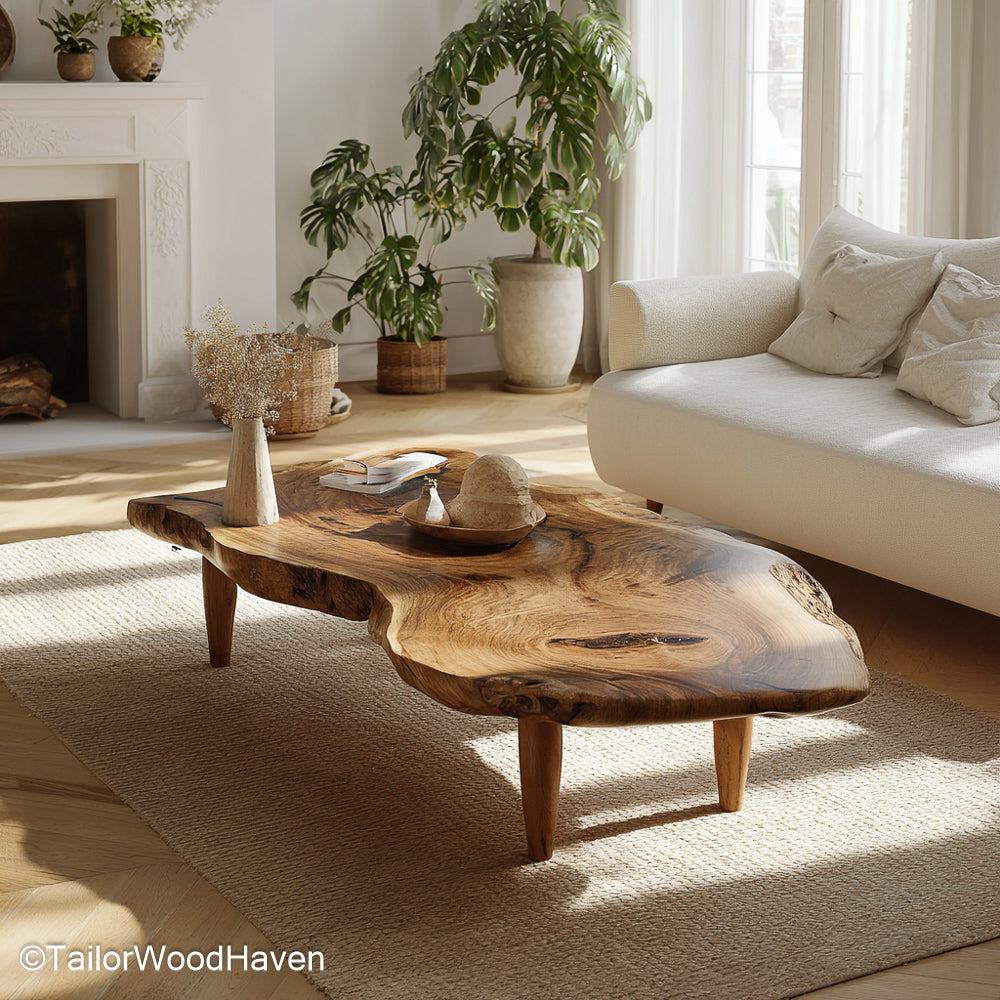
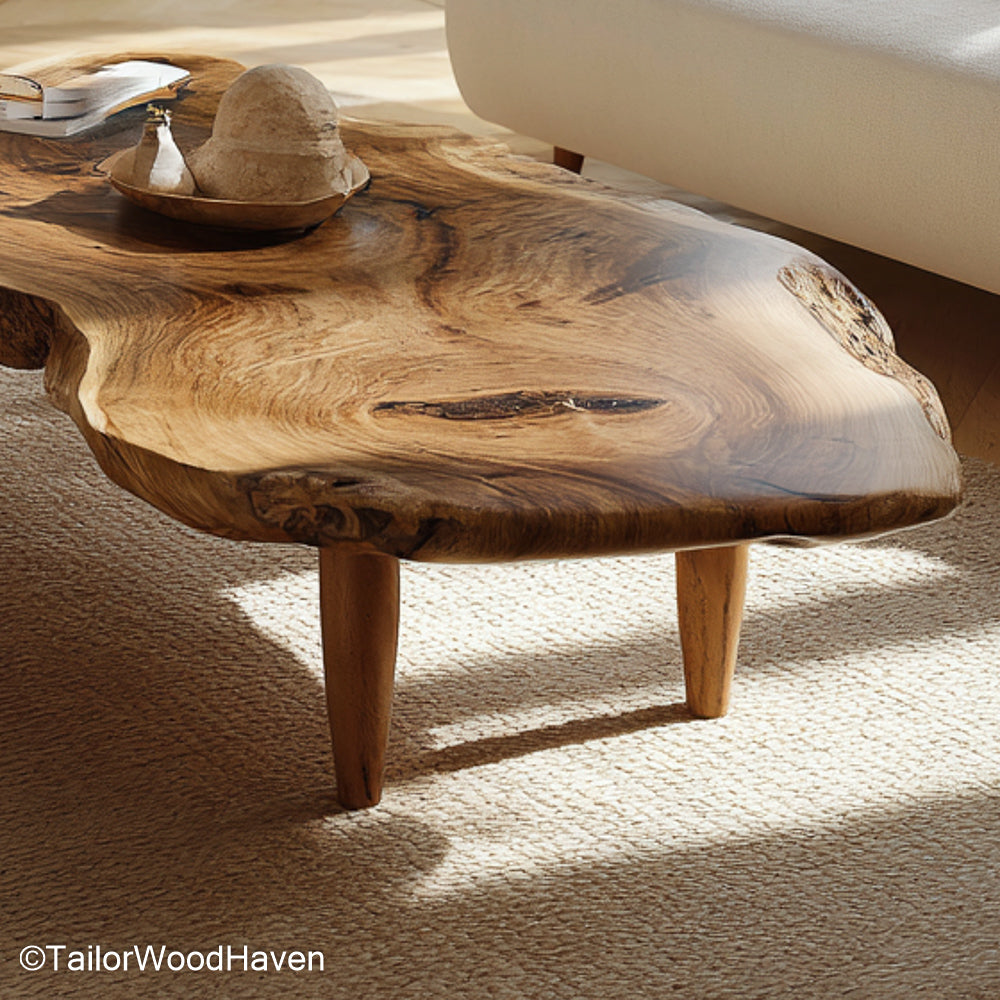
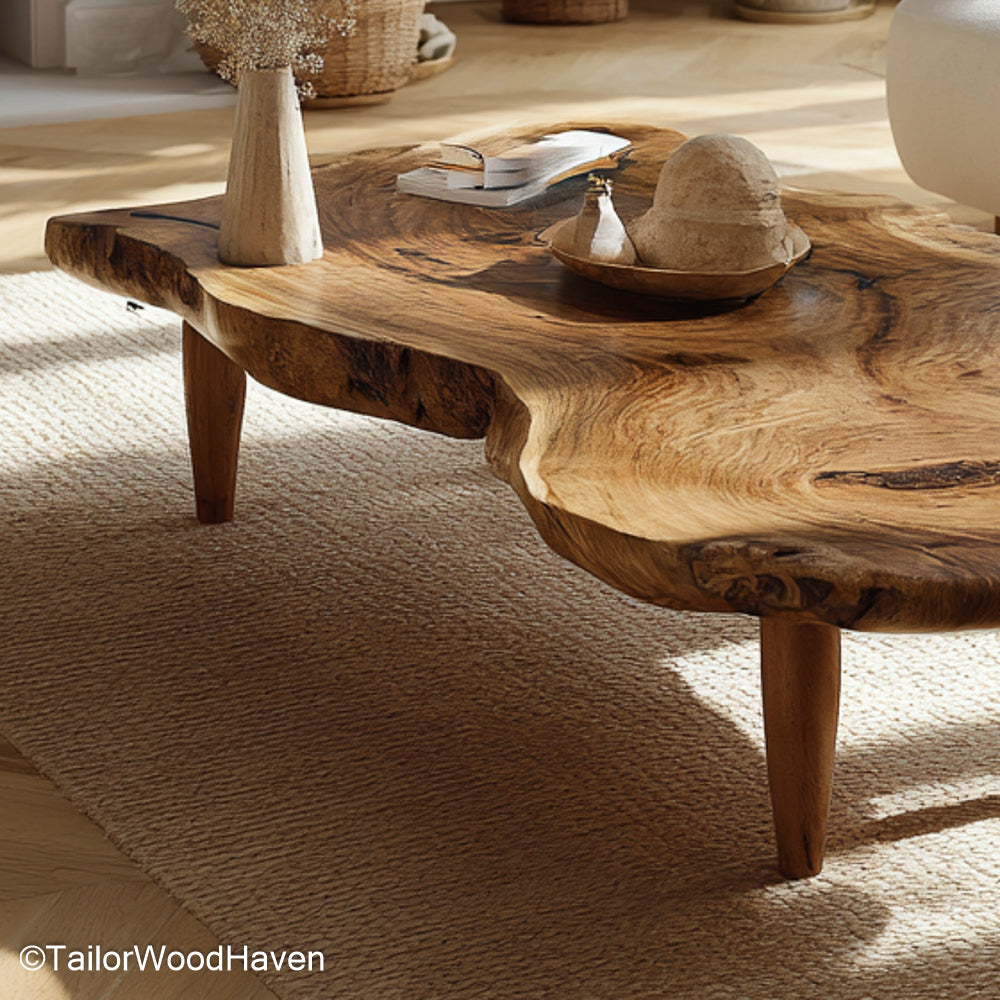
Showcase Your Personality with Our Unique Coffee Table
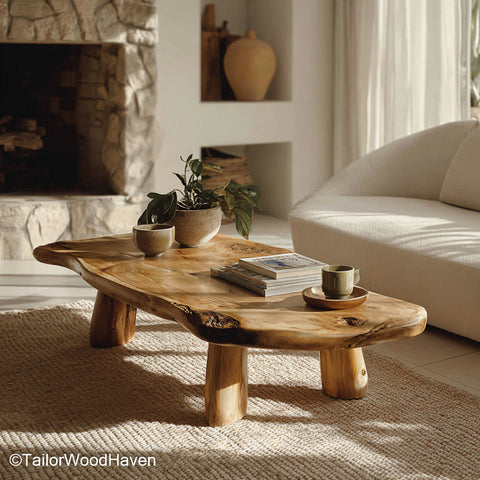
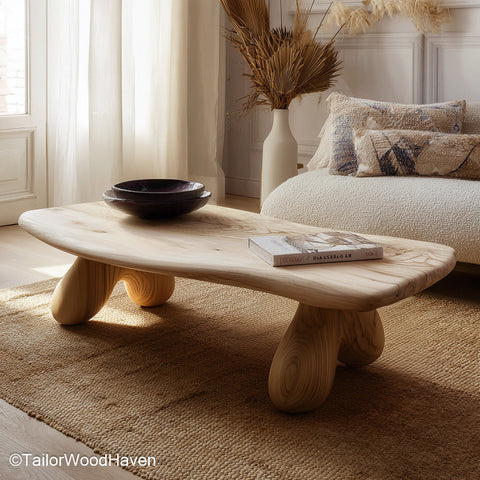
Elevate your living room with our coffee table, a perfect blend of style and function. This eye-catching piece invites conversation and reflects your distinct taste, making it the ideal centerpiece for entertaining guests.
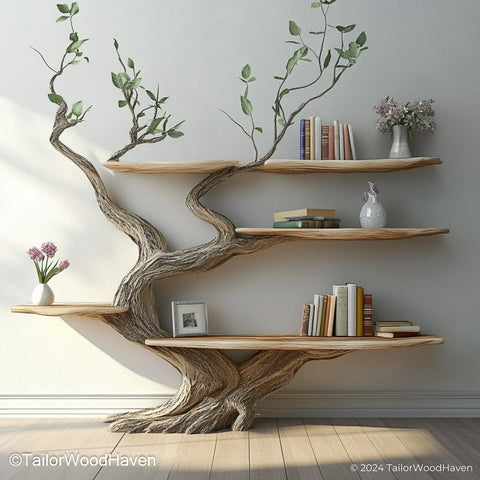
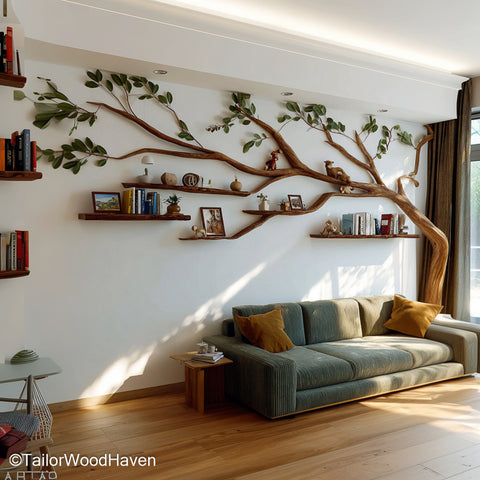
Add Rustic Charm to Your Room with Floating Shelves
Transform your space effortlessly with our floating shelves. Designed to bring a warm, rustic feel, they provide an ideal platform for showcasing your favorite items while enhancing the overall ambiance of your home.
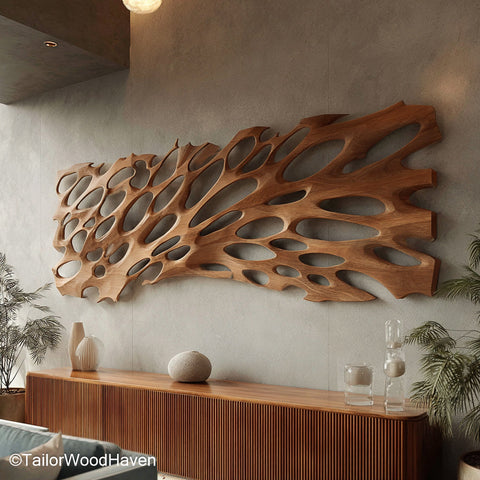
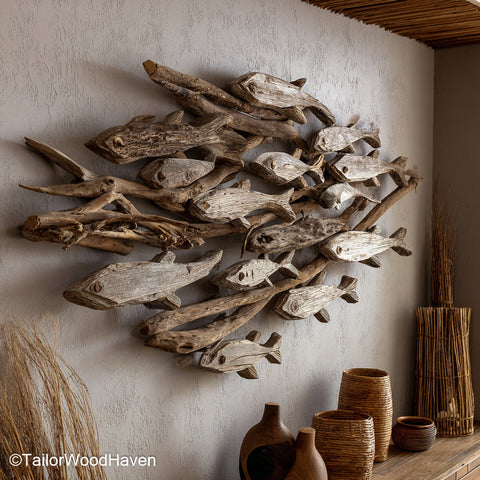
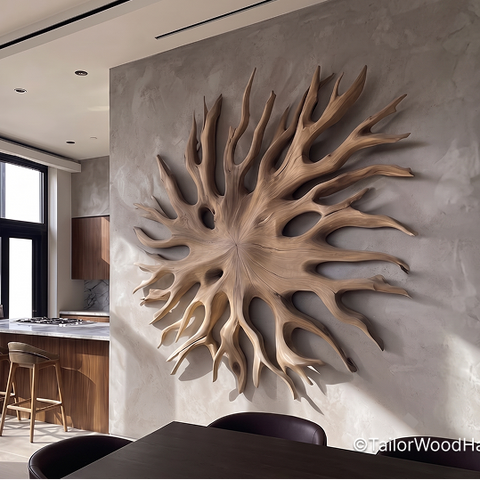
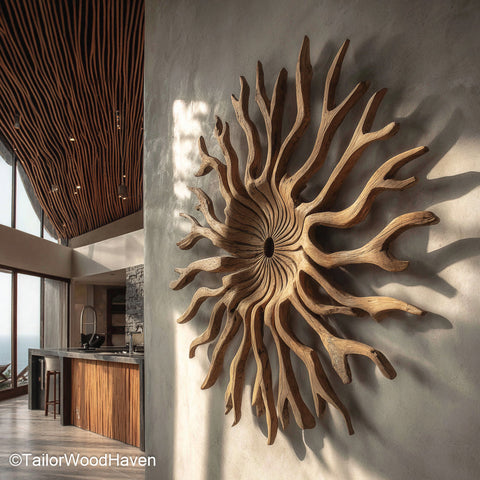
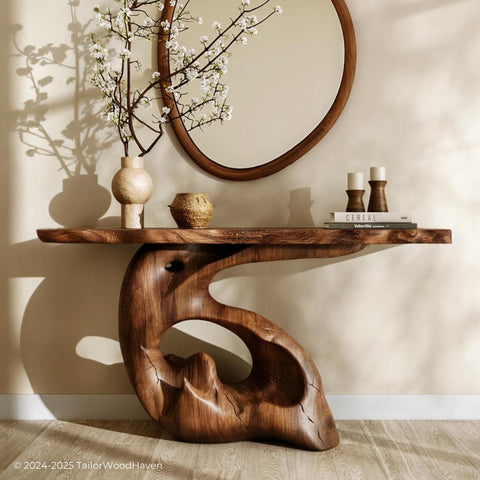
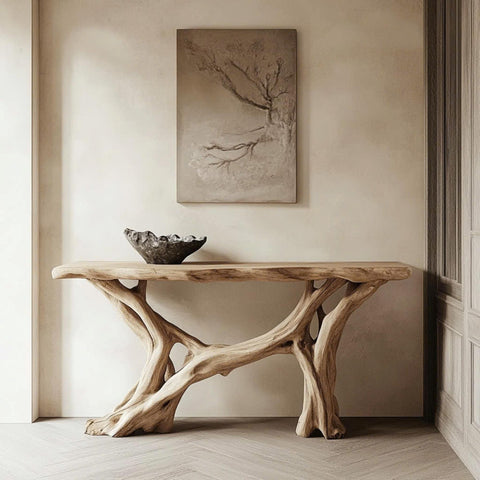
Our furniture features nature-inspired designs like tree shapes and live edges, bringing distinctive charm and warmth to your home
Crafted by local artisans
Handcrafted by local artisans with 10+ years of experience, our pieces blend quality and artistry—celebrate local talent with durable, beautiful furniture for your home
Fully customizable products
We offer full customization in size, shape, and color to match your style—let’s craft furniture that fits perfectly in your space
Our Best Sellers
Made to Order
Free Delivery
100% Handcrafted
Our Brand Story
Our vision is to inspire a deeper connection to nature through one-of-a-kind furniture that embraces sustainable practices and supports skilled artisans
In a world where mass production often overshadows craftsmanship, we came together to create a brand that honors the beauty of nature and the skill of local artisans. Our founding team shares a commitment to sustainability and the art of mindful living
We are dedicated to tailoring each piece to individual lifestyles, preserving traditional craftsmanship, and prioritizing responsible sourcing, enriching homes while protecting the planet for future generations
"From the first contact till the final shelf on the wall I’m very happy. I’ve been in touch with Andrew during the whole process and we discussed and adjusted the details to my full satisfaction!!! Everything thing was securely packed and arrived without any issues. I love my shelf :)"
Sale priceFrom $2,543.00 (Save 24%) Regular price$3,390.00
Regular priceFrom $2,543.00
Unit price/ per
Rustic Wood Narrow Console Table
Djhannon
"Andrew and the team worked through several conversations and pictures to make the mantel and console table meet my vision in design and color. I will order from them again."
Sale priceFrom $2,342.25 (Save 25%) Regular price$3,123.00
Regular priceFrom $2,342.25
Unit price/ per
Custom Rustic Wood Narrow Console Table for Entryway or Living Room
Nicole
"Gorgeous console table that looks absolutely stunning in my entryway. It’s quirky and different, but also graceful and unobtrusive, so it goes nicely with the rest of the room. I couldn’t be happier with the quality, feel, color, and shape. Also, the customer service was excellent. They had no trouble working with me to adjust the design around my oddly placed floor vent and outlet. Design, creation and shipping were all super fast."
"This product is amazing! It is beautiful and the customer service was outstanding with great communication and fast shipping. I think these floating shelves are really gorgeous and I highly recommend this new shop! Thanks guys."
How to Pair a Sectional with a Rectangle Coffee TableWhat makes a sectional with rectangle coffee table look perfectly balanced instead of awkwardly mismatched? If you've ever struggled to make your living room feel cohesive, you're not alone. The pairing seems simple, yet small details like size, proportion, and styling can completely change the outcome.In this guide, we'll break down exactly how to get it right so your space feels both functional and effortlessly put together.Why a Rectangle Coffee Table Works Best for Sectionals?At first glance, pairing a sectional with a coffee table might seem like a simple decision. But when you look closer, the shape of the table plays a huge role in how the entire seating area feels and functions.A sectional with rectangle coffee table is one of the most popular combinations, and for good reason. It naturally complements the structure of a sectional while solving practical everyday needs.Let's break down why this pairing works so well.Maximizing Surface AreaOne of the biggest advantages of a sectional with rectangle coffee table is the generous surface space it provides. Sectionals are designed to seat multiple people, often stretching across a large portion of the room. A small or oddly shaped table can quickly feel inadequate in comparison.A rectangular table, however, mirrors that scale. Its extended length allows more room for everything - drinks, books, decor, even snacks when you're hosting. Instead of crowding items into a tight spot, you get a layout that feels open and functional.If you're looking for a piece that truly maximizes both function and natural beauty, this handcrafted walnut option is a perfect example!Linear HarmonyThere's also a strong visual reason why this pairing works. Sectionals are built with clean, straight lines - whether it's an L-shape or a U-shape, the structure is inherently linear. A rectangular coffee table follows that same geometry, creating what designers often call "visual harmony."This is why a sectional with rectangle coffee table often feels more "put together" compared to mixing in round or irregular shapes. While those can work in certain cases, they tend to introduce contrast rather than continuity. A rectangular table, on the other hand, blends seamlessly into the layout.Eager to see a collection of coffee table? Take a look here!Versatility across StylesAnother reason this combination stands out is its flexibility. A sectional with rectangle coffee table can adapt to almost any interior style without feeling out of place.In a modern living room, a sleek rectangular table with metal or glass can enhance the clean aesthetic. In a rustic or cozy space, a solid wood table adds warmth and texture. Even in minimalist interiors, a simple rectangular form keeps the look uncluttered and intentional.The Golden Rules of Sizing and ProportionsChoosing the right size is where many living room setups go wrong. Even the most beautiful sectional with rectangle coffee table can feel awkward if the proportions are off. Too big, and the space feels cramped. Too small, and the table looks lost in front of the sectional.The good news is that a few simple guidelines can help you get the balance just right. These rules are widely used in interior design because they create a layout that feels both comfortable and visually pleasing.The Two-Thirds RuleA reliable starting point is the two-thirds rule. Ideally, the length of your coffee table should be about two-thirds the length of your sectional. This creates a sense of proportion without overwhelming the seating area.For example, if your sectional spans a long wall, choosing a table that's too short can make the center feel empty and disconnected. On the other hand, a table that stretches too far can crowd the space and disrupt movement.With a sectional with rectangle coffee table, this rule works especially well because both pieces share a similar linear shape. The table naturally aligns with the sofa, creating a cohesive look that feels intentional rather than accidental.A well-proportioned piece like this live-edge design makes it easier to follow the two-thirds rule while still standing out visually!The Height FactorHeight is just as important as length, but it's often overlooked. A good rule of thumb is to keep the coffee table at the same height as the seat cushions, or slightly lower - usually within 1–2 inches.This makes everyday use more comfortable. Whether you're reaching for a cup of coffee or setting down a book, the movement feels natural and effortless. If the table is too high, it can feel intrusive. Too low, and it becomes inconvenient.When designing a sectional with rectangle coffee table, maintaining the right height also helps preserve clean sightlines across the room. The table doesn't block the flow of the space, which is especially important in open-plan living areas.The Legroom RuleComfort isn't just about the furniture itself - it's also about the space around it. That's where the legroom rule comes in. Ideally, you should leave about 16 to 18 inches of space between the coffee table and the sectional.This gap creates enough room to move your legs comfortably while still keeping the table within easy reach. If the distance is too tight, the space can feel cramped and restrictive. Too wide, and the table becomes less practical to use.In a sectional with rectangle coffee table layout, this spacing is key because sectionals often define the main seating zone. The coffee table sits at the center of that zone, so getting the clearance right ensures everything feels connected without being crowded.Pairing by Sectional TypeNot all sectionals are created equal. Even though a sectional with rectangle coffee table is a versatile combination, the exact setup still depends on the shape of your sectional. An L-shape, a chaise, or a large U-shaped layout each interacts with the table differently.For L-Shaped SectionalsL-shaped sectionals are one of the most common layouts, and they naturally work well with a rectangular coffee table. The key here is alignment. Since the sectional forms a right angle, your table should sit centered within that corner space, visually connecting both sides.With a sectional with rectangle coffee table, the long edge of the table typically runs parallel to the longer side of the sofa. This creates a clean, structured look while keeping the table easily accessible from both նստing sections.For L-shaped layouts, a clean and balanced piece like this minimalist wood table works especially well!For Sectionals with a ChaiseSectionals with a chaise introduce a slightly asymmetrical layout, which changes how the coffee table should be positioned. Instead of centering the table across the entire sectional, it's better to align it with the main seating portion - not the chaise extension.This approach keeps the table functional for everyday use. The chaise is usually meant for lounging, so it doesn't require the same direct access to the table as the upright seats do.When styling a sectional with rectangle coffee table in this configuration, think of the table as serving the "active" seating area. This keeps the layout visually balanced while maintaining comfort and practicality.For Large U-Shaped SectionalsU-shaped sectionals create a more enclosed seating zone, often used in larger living rooms or for entertaining. In this case, the coffee table becomes the central anchor of the entire setup.A sectional with rectangle coffee table works particularly well here because the elongated shape fills the center space without leaving awkward gaps. It also ensures that people sitting on all sides can easily reach the table.This setup works especially well with a piece like this light wood rectangle coffee table: its elongated shape naturally fills the center of a U-shaped sectional, helping connect all seating sides while keeping everything within easy reach.However, scale becomes even more important in this layout. A table that's too small will feel lost in the middle, while one that's too large can limit movement within the U-shape.The goal is to strike a balance where the table feels substantial but still allows for comfortable circulation.Material and Aesthetic ChoicesA well-chosen material can make a sectional with rectangle coffee table feel warm and inviting, sleek and modern, or soft and cozy. Let's explore the most popular options and how they influence your space.Wood vs. MetalWood and metal are two of the most common choices, and each brings a very different feel to a sectional with rectangle coffee table.Wood tends to create warmth. Whether it's light oak, rich walnut, or a rustic reclaimed finish, a wooden table adds a natural, grounded element to the room. This works especially well if your sectional has soft fabrics or neutral tones, as it helps the space feel more relaxed and lived-in.Metal, on the other hand, leans more modern and structured. A rectangular coffee table with metal legs or a full metal frame can introduce a clean, industrial edge. It pairs well with contemporary sectionals, especially those with sharp lines and minimal detailing.In many cases, a combination of both - like a wooden top with metal legs - offers the best of both worlds. It keeps the space visually interesting without overwhelming the overall design.You can also browse more styling ideas for different aesthetics here!Glass and AcrylicIf your living room feels a bit heavy or crowded, glass and acrylic are worth considering. These materials are known for their ability to visually "lighten" a space.In a sectional with rectangle coffee table, a glass top can make the area feel more open because it doesn't block the view of the floor or rug underneath. This is especially helpful in smaller rooms, where bulky furniture can quickly make the space feel tight.Acrylic takes this idea even further. With its almost invisible look, it creates the illusion that the table is barely there. This can be a smart choice if your sectional is large and you don't want the coffee table to compete for attention.If you love a more organic and statement look, this solid slab design brings out the raw beauty of natural wood!Upholstered OttomansFor a softer, more relaxed approach, upholstered ottomans can act as an alternative to a traditional coffee table. While not a classic hard-surface option, they can still work beautifully in a sectional with rectangle coffee table setup - especially when comfort is a priority.An upholstered piece adds texture and warmth, making the space feel cozy and inviting. It's also a safer option for households with kids, since there are no sharp edges. You can easily place a tray on top to create a stable surface for drinks or decor when needed.This choice works particularly well in casual or family-focused living rooms, where the goal is to create a space that feels comfortable rather than formal.FAQsCan you have a rectangle coffee table with a sectional?Yes. It's actually one of the best pairings because the rectangular shape matches the long lines of a sectional and provides plenty of usable surface space.What is the 2/3 rule for sofas?The coffee table should be about two-thirds the length of the sofa or sectional to keep the proportions balanced and visually pleasing.What shape table goes with a sectional?Rectangle works best for most layouts, but round or oval tables can also work well in smaller spaces or to soften sharp corners.Sum upA sectional with rectangle coffee table is one of the easiest ways to create a balanced, functional living room. By following the right sizing rules, choosing suitable materials, and styling thoughtfully, you can turn a simple setup into a cohesive space that feels both comfortable and visually appealing for everyday living.
Circle Or Rectangle Coffee Table: How To Choose The Best Shape
Choosing between a circle or rectangle coffee table might seem simple at first - but once you start thinking about space, layout, and style, it quickly becomes a real design decision. The shape you pick can affect how your living room feels, functions, and flows. Let's break it down so you can confidently choose what works best for your space.
Circle Or Rectangle Coffee Table: Pros and Cons
When choosing a circle or rectangle coffee table, most people focus on style first - but the real difference lies in how each shape affects daily use, movement, and the overall feel of your living room. Understanding the pros and cons will help you avoid a choice that looks good but doesn't actually work for your space.
Wanna see a full list of both circle and rectangle coffee tables? We've got you covered here!
The Circle Coffee Table
When it comes to a circle or rectangle coffee table, the circular option stands out for its softness and flexibility. A circular coffee table brings a more relaxed, organic feel into your space. Without sharp corners, it creates a smoother visual flow, which is especially helpful if your living room already has a lot of straight lines from sofas, shelves, or rugs.
Another advantage is how easy it is to move around. In smaller living rooms or tight layouts, a circular table allows people to walk freely without bumping into edges. This makes it a smart choice for apartments or compact spaces. It's also safer for households with children, since there are no hard corners at knee or head height.
If you want to bring this softer, more flexible look into your space, a large circle coffee table like this one offers a smooth, rounded surface that improves flow while still giving you plenty of room for everyday use, making it a great fit for both compact and open living rooms.
However, the trade-off becomes clear when it comes to functionality. Compared to the rectangular option in a circle or rectangle coffee table comparison, a circular table typically offers less usable surface area. It can feel limiting when you need space for drinks, books, or decor. It may also look slightly out of place in front of long sofas, since the curved shape doesn't fully align with linear seating.
The Rectangle Coffee Table
On the other hand, in any circle or rectangle coffee table decision, the rectangular design is known for its practicality and structure. A rectangular coffee table works naturally with most sofas, especially standard three-seaters, because the shapes align cleanly. This creates a balanced and visually organized layout.
Its biggest advantage is surface space. You'll have more room to arrange everyday items without things feeling crowded. Whether you're entertaining guests or just using it daily, that extra space makes the table more functional.
If you're looking for a balance between function and natural beauty, this natural wood coffee table is a great example of how a rectangular design can still feel warm and modern.
Rectangular tables also help define the seating area, particularly in larger or open-concept living rooms. They act as a visual anchor, making the space feel more intentional and put together.
That said, they're not always the best fit for every room. In smaller spaces, a rectangular table can feel bulky and take up too much walking space. The sharp corners may interrupt movement flow and can feel a bit harsh in a cozy setting if not styled carefully.
Still unsure which style suits your space? Browse these real-life setups on to see how each shape works in different interiors.
How to Choose a Circle or Rectangle Coffee Table Based on Room Size
Once you've understood the pros and cons, the next step in choosing a circle or rectangle coffee table is looking at your room size. This is where many people go wrong - they pick a table based on style alone, without considering how much space they actually have. The result? A table that feels either too cramped or awkwardly small.
The right choice should feel natural in the room, leaving enough space to move around while still serving its purpose.
Small Living Rooms and Apartment
In compact spaces, a circle or rectangle coffee table decision often leans toward the circular option. A round table helps the room feel more open because it doesn't have sharp corners cutting into your walking paths. You can move around it more easily, which makes a big difference in apartments or smaller living rooms where every centimeter counts.
Visually, a circular table also reduces the "boxy" feeling that small spaces often have. Instead of adding another rectangular element, it softens the layout and makes the room feel less crowded.
For smaller spaces, a piece like this live edge coffee table can make your living room feel more open while still adding character.
That said, a rectangular coffee table isn't completely off the table. If you need extra storage or surface space, a slim and well-proportioned rectangular design can still work. The key is choosing one that doesn't overpower the seating area or block movement. In small rooms, scale matters more than shape.
Large, Open-Concept Areas
In bigger living rooms, especially open-concept layouts, the balance shifts. A circle or rectangle coffee table choice here often favors rectangular tables because they fill space more effectively and help define the seating area.
A rectangular coffee table can anchor your furniture, making the layout feel intentional rather than scattered. This is particularly important in open spaces where there are no walls to naturally separate zones.
A circular table can still work in a large room, but it may feel too small or visually lost if used on its own. To make it work, you often need to pair it with other elements like side tables or ottomans to create a complete setup. Without that, the space can feel slightly unbalanced.
The "Golden Ratio" of Placement
No matter which option you choose, a well-proportioned circle or rectangle coffee table should follow a few basic placement principles. These aren't strict rules, but they help ensure your table looks and feels right in the space.
Here's a simple guideline to keep everything balanced:
Matching Your Table Shape to Your Sofa Style
After considering room size, the next step in choosing a circle or rectangle coffee table is looking closely at your sofa. This is something many people overlook, but your sofa actually sets the foundation for the entire layout. The wrong table shape can make your space feel disconnected, while the right one creates balance and makes everything work together naturally.
The Sectional Dilemma
Sectional sofas are popular for a reason - they're comfortable, spacious, and perfect for lounging. But when it comes to pairing them with a circle or rectangle coffee table, things can get tricky.
Because sectionals usually form an L-shape, they already have strong angles and defined lines. Adding a rectangular coffee table can sometimes make the layout feel too rigid or heavy, especially if the space isn't very large. Movement around the table may also feel restricted, particularly in the inner corner of the sectional.
This is where a circular coffee table really shines. In a circle or rectangle coffee table comparison, the round shape softens those sharp angles and creates a more natural flow. It allows everyone sitting on the sectional to reach the table more easily, making it feel more functional and inclusive. The overall look also becomes more relaxed and less structured.
Standard 3-Seater Sofas
If you have a classic three-seater sofa, the decision between a circle or rectangle coffee table becomes more flexible - but rectangular tables often feel like the most natural fit.
The straight lines of a rectangular coffee table align perfectly with the length of the sofa, creating a clean and balanced look. This pairing feels intentional and is especially useful if you want a practical setup with plenty of surface space.
A well-crafted option like this shows how a rectangular table can anchor your sofa while keeping a natural, relaxed look.
That said, a circular coffee table can still work beautifully here if you're aiming for a softer, more modern feel. It helps break up the straight lines and adds a bit of visual contrast. If your living room feels too "boxy," switching to a round table can instantly make it more dynamic and inviting.
Pairing with Accent Chairs
When your seating area includes accent chairs, the choice of a circle or rectangle coffee table becomes even more important. You're no longer designing for just one main sofa - you're creating a space that encourages conversation and connection.
If you want a cohesive seating setup, consider a piece like this to create a more connected and inviting layout.
In this setup, a circular coffee table is often the better option. It acts as a central point that's equally accessible from all sides, making the seating arrangement feel more cohesive. Whether someone is sitting on the sofa or in a chair, the table feels within easy reach.
A rectangular coffee table can still work, but it tends to favor one side - usually the sofa. This can make the layout feel slightly unbalanced, especially if the chairs are positioned at angles. In smaller or more social seating arrangements, that difference becomes noticeable.
FAQs
Which is better for a small living room, a circle or rectangle coffee table?
Generally, a circle coffee table is better for small spaces. Its lack of corners saves physical space and makes the room feel less cluttered, allowing for smoother movement around the furniture.
Is a rectangular coffee table outdated?
Not at all. While round tables are currently trending for their "soft" aesthetic, rectangular tables remain a timeless staple because they offer the most functional surface area and align perfectly with traditional sofa layouts.
How do I know if my coffee table is the right size for my sofa?
The rule of thumb is that your coffee table (regardless of shape) should be about 1/2 to 2/3 the length of your sofa and sit at roughly the same height as the seat cushions for optimal comfort and scale.
Sum up
Circle or rectangle coffee table - the right choice ultimately depends on your space, sofa, and how you live day to day. By considering room size, layout, and seating style, you can find a shape that feels both functional and visually balanced. Take your time, and choose a piece that truly fits your lifestyle, not just your aesthetic.
Square or Rectangle Coffee Table: Explore Best Option For Your Home
Choosing a square or rectangle coffee table might seem like a small detail, but it can completely change how your living room looks and feels. Have you ever wondered why some spaces feel perfectly balanced while others seem slightly off? The answer often comes down to proportions, layout, and the shape of your furniture.
In this guide, we'll break down the real differences between square and rectangular coffee tables, helping you understand which one truly fits your space, lifestyle, and design vision.
Square Or Rectangle Coffee Table: Pros and Cons
When choosing a square or rectangle coffee table, it's not just about looks - it's about how the shape works with your space and daily habits. Each option has its own strengths and drawbacks, and understanding them can help you avoid a mismatch that affects both comfort and style.
Let's break it down in a simple, practical way so you can decide which square or rectangle coffee table truly fits your home.
The Square Coffee Table
A square coffee table is often the go-to choice for balanced, symmetrical spaces. It works especially well in square rooms or seating arrangements where sofas and chairs are placed evenly around a central point.
If you like a cozy, conversational layout, a square or rectangle coffee table in a square shape can make everyone feel equally connected.
One of the biggest advantages of a square coffee table is accessibility. Because all sides are equal, it's easy for everyone sitting around it to reach drinks, books, or décor items without stretching too far. This makes it ideal for families or when you frequently host guests.
If you prefer a softer, more modern square look, check out this beautifully crafted piece!
However, there are some downsides to consider. In narrow or long living rooms, a square table can feel bulky and take up too much visual space. It may interrupt the natural flow of movement, especially if your seating layout is more rectangular.
In these cases, choosing the wrong square or rectangle coffee table can make the room feel cramped rather than comfortable.
In terms of style, square coffee tables tend to create a modern, grounded look. They often work well with sectional sofas or large seating areas where you need a central anchor piece.
The Rectangle Coffee Table
A rectangular coffee table is one of the most common and versatile options, and for good reason. It naturally complements standard sofas, which are usually longer than they are deep.
If your living room follows a more traditional layout, a square or rectangle coffee table in a rectangular shape will likely fit seamlessly.
One major advantage is its ability to maximize surface area without overwhelming the room. Its elongated shape provides plenty of space for décor, drinks, or even working from the couch, while still allowing for easy movement around it. This makes it a practical choice for everyday use.
Rectangular tables also help guide the flow of the room. They create a clear visual direction, which can make a space feel more organized and open.
When you're deciding between a square or rectangle coffee table, this is an important factor if your room is long or narrow.
If you love the natural warmth of wood in a rectangular design, explore this handcrafted walnut option here!
On the downside, not everyone may have equal access to items on the table, especially in larger seating arrangements. People sitting at the ends might find it slightly less convenient compared to a square design.
Additionally, in very compact spaces, a long table can sometimes feel out of proportion if not sized correctly.
Square vs Rectangle Coffee Table: What To Consider Before Choosing?
Choosing a square or rectangle coffee table isn't just about picking a shape you like - it's about finding the one that fits naturally into your space and supports how you actually live. A table that looks great in a showroom might not work as well in your home if the proportions or purpose don't align.
Before making a decision, it helps to look at three key factors that can guide you toward the right square or rectangle coffee table.
Room Size and Layout
Start by looking at the size and shape of your living room. This is often the most important factor when deciding between a square or rectangle coffee table. A rectangular table tends to work better in long, narrow spaces because it follows the natural lines of the room and keeps everything visually balanced. It also leaves enough walking space around it, which is essential for comfort.
On the other hand, a square table fits best in more compact or symmetrical layouts. If your seating forms a square or includes a sectional sofa, a square table can sit right in the center and create a sense of harmony. It helps the room feel organized rather than stretched or uneven.
It's also important to think about spacing. No matter which square or rectangle coffee table you choose, there should be enough room to move around comfortably. A table that's too large can make the room feel crowded, while one that's too small might look out of place.
For smaller spaces, a compact design like this can make a big difference without overwhelming your layout!
Functionality and Usage
Next, consider how you actually use your coffee table every day. This is where the decision between a square or rectangle coffee table becomes more practical than visual. If you often host guests or have family gatherings, a square table can make it easier for everyone to reach items from all sides. It encourages interaction and works well in social settings.
If your coffee table is more of a functional surface - for holding drinks, laptops, or décor - a rectangular table might be the better option. Its extended surface provides more usable space without taking up too much width, which can be especially helpful in smaller living rooms.
Think about your habits. Do you like to decorate your table with books and candles, or do you need a clear surface for everyday use? The right square or rectangle coffee table should match your lifestyle, not just your interior design.
Style and Aesthetic
Finally, consider how the table fits into your overall design style. A square or rectangle coffee table can influence the visual tone of your living room more than you might expect. Square tables often feel more modern and structured, adding a sense of balance and symmetry to the space.
Rectangular tables, on the other hand, tend to feel more classic and versatile. They blend easily with different styles, from traditional to contemporary, and can make a room appear longer and more open.
It's also worth thinking about how the table interacts with other furniture pieces. The right square or rectangle coffee table should complement your sofa, rug, and overall layout rather than compete with them. When everything works together, the space feels cohesive and intentional.
Need some visual inspiration? Browse real-life setups and styling ideas here!
Common Mistakes To Avoid When Choosing
Picking the right square or rectangle coffee table can feel simple at first, but many people end up making small mistakes that affect both comfort and overall design. These issues often don't become obvious until the table is already in place.
By understanding what to avoid, you can choose a square or rectangle coffee table that truly works for your space instead of against it.
Ignoring Room Dimensions
One of the most common mistakes is not measuring the room properly. A coffee table that looks perfect online or in a showroom can feel completely different once placed in your living room. If it's too large, it can make the space feel cramped and difficult to move around. If it's too small, it may look disconnected from the rest of the furniture.
When deciding on a square or rectangle coffee table, always consider the proportions of your room and your seating area. The table should fit comfortably within the layout, leaving enough space for walking and everyday movement. A well-sized table helps the entire room feel more balanced and functional.
Overlooking Functionality
Another mistake is focusing too much on appearance and forgetting how the table will actually be used. A stylish square or rectangle coffee table might look great, but if it doesn't support your daily needs, it quickly becomes inconvenient.
Think about how you use your living room. Do you need space for drinks, snacks, or working on a laptop? Do you often entertain guests? A rectangular table may offer more surface area for practical use, while a square one might be better for shared access in social settings. The key is choosing a square or rectangle coffee table that fits your lifestyle, not just your design preferences.
To see how this balance of style and everyday function works in practice, a piece like a dark wood rectangle coffee table offers a spacious, durable surface that supports everything from hosting guests to working comfortably, without sacrificing the clean, elegant look you want in your living room.
Neglecting Style Compatibility
It's easy to fall in love with a coffee table on its own, but it also needs to match the rest of your interior. A mismatch in style can make the space feel disjointed, even if each piece is beautiful on its own.
When selecting a square or rectangle coffee table, consider how it works with your sofa, rug, and overall theme. A modern square table might not blend well in a traditional setting, while a classic rectangular design could feel out of place in a more minimalist room. The goal is to create a cohesive look where every element complements each other.
To create a cohesive look, consider a versatile design like this natural live-edge coffee table!
Forgetting Traffic Flow
Finally, many people forget to think about how they move around the room. A coffee table should never get in the way of natural pathways. If you have to constantly walk around or squeeze past it, the layout isn't working.
This is especially important when choosing between a square or rectangle coffee table. Rectangular tables often suit narrow spaces better, while square tables can work well in open layouts. Whichever you choose, make sure there's enough clearance around the table so the room feels easy to navigate.
Can't decide what to choose? Drop by here to shop both!
FAQs
Should I get a square or rectangular coffee table?
Choose a square table for balanced, compact seating areas, and a rectangular one for longer sofas or narrow rooms.
What is the best shape for a coffee table?
The best shape depends on your layout - rectangular works for most spaces, while square suits symmetrical setups.
What is the most timeless coffee table design?
A simple rectangular coffee table with clean lines and neutral materials is the most timeless and versatile choice.
Sum up
Choosing a square or rectangle coffee table comes down to how well it fits your space, lifestyle, and design style. By considering layout, functionality, and aesthetics, you can find the perfect match that enhances both comfort and visual balance. The right table doesn't just fill space - it brings your living room together effortlessly. Now that you know what to look for, explore Tailor Wood Haven to find a square or rectangle coffee table that perfectly fits your space, style, and everyday living.
When To Use Round Coffee Table vs Rectangle? Expert's Guide To Your Best Choice
Wondering when to use round coffee table vs rectangle in your living space? Choosing the right coffee table shape can completely transform both the flow and the style of a room.
In this guide, we'll break down the key differences between round and rectangular tables. By the end, you'll have a clear understanding of when to use round coffee table vs rectangle so your choice enhances both functionality and aesthetic appeal.
When to Choose a Round Coffee Table?
Deciding when to use round coffee table vs rectangle is more than just a matter of personal taste. The shape of your coffee table affects movement, safety, seating arrangements, and even the overall vibe of your living room. Round coffee tables have unique advantages that make them a better choice in certain spaces and situations.
See the full list of coffee tables here!
Let's explore the scenarios where a round coffee table truly shines.
Small Spaces & Apartments
One of the biggest reasons to opt for a round coffee table is space efficiency.
Unlike rectangular tables, round tables don't have sharp corners that can make small rooms feel cramped.
In apartments or compact living rooms, a round table allows for smoother traffic flow, so you can walk around the seating area without bumping into corners.
If you've ever wondered when to use round coffee table vs rectangle, think about the width of your room and how much open floor space you want to preserve.
Round tables help maintain a sense of openness while still giving you a functional surface for drinks, books, or décor.
If you're working with a compact space, this Rustic Round Coffee Table helps maintain flow while adding natural charm.
Safety & Kids
Safety is another major factor that often tips the scale toward round tables.
Sharp edges of rectangular tables can pose a risk for children and even adults moving quickly around the living room.
If your household has young kids, pets, or even just a lot of foot traffic, a round coffee table reduces the chance of bumps and bruises.
This is a practical consideration when thinking about when to use round coffee table vs rectangle - choosing round prioritizes safety without sacrificing style.
Conversational Seating
Round coffee tables naturally encourage interaction and socializing. Since there are no corners, everyone sitting around the table can reach the surface equally, making it perfect for group conversations, board games, or casual coffee breaks.
If your living room is designed around a circular seating layout or sectional sofa, a round table enhances connectivity and keeps the space feeling intimate.
This is a subtle but important factor in deciding when to use round coffee table vs rectangle - the round shape supports conversation and shared experiences in a way rectangles sometimes can't.
Softening modern aesthetics
Finally, a round coffee table can soften the look of a modern or angular living room. Contemporary spaces often feature straight lines and sharp angles, which can feel rigid or stark.
Placing a round table in such a setting introduces visual balance and breaks up the geometry, making the room feel warmer and more inviting.
If you're decorating a space with clean, minimalist furniture, considering when to use round coffee table vs rectangle can help you create a more harmonious and visually appealing environment.
Round tables offer a subtle contrast that enhances overall aesthetics while maintaining functionality.
When to Choose a Rectangle Coffee Table?
Knowing when to use round coffee table vs rectangle can make a big difference in how functional and stylish your living room feels.
Rectangular coffee tables are a classic choice for many homes because of their versatility, practicality, and ability to complement longer or more structured seating arrangements.
Let's explore the situations where a rectangular table is the better option.
Longer sofas & sectional
If your living room features a long sofa or a sectional, a rectangular coffee table often provides the best balance and proportion.
Unlike round tables, which can feel small or disconnected in front of an extended seating area, a rectangle mirrors the sofa's length and anchors the space visually.
This alignment not only enhances symmetry but also gives everyone seated easy access to the table surface.
When deciding when to use round coffee table vs rectangle, consider the sofa length and how much table surface is needed for drinks, trays, or decorative items - rectangular tables often win in these setups.
For a spacious living room with a long sofa, check out this Large Live Edge Coffee Table that perfectly anchors your seating area.
Large rooms
Rectangular coffee tables are particularly well-suited to spacious living rooms. Their elongated shape helps fill empty floor areas without breaking the flow of the room, providing a central focus point that organizes furniture naturally.
In a larger room, a round table might look lost or fail to define the seating zone effectively. So, when evaluating when to use round coffee table vs rectangle, the size and proportions of the room are key - large spaces often call for rectangular designs to maintain balance and visual cohesion.
Practicality & Function
Another important reason to choose a rectangular table is practicality.
Rectangular shapes maximize usable surface area, allowing you to place multiple items like books, trays, laptops, or decorative pieces without feeling cluttered.
They also fit neatly against furniture or walls, offering flexibility in layout. If your living room is often used for work, study, or entertaining guests, a rectangular table can provide superior functionality.
This makes it a strong contender in considerations of when to use round coffee table vs rectangle, especially for those who prioritize utility alongside design.
To see how this practicality comes to life in a real piece, take a look at this oak rectangle coffee table: its wide, durable surface makes it easy to organize everything from books to laptops, while the clean, linear design allows it to fit seamlessly into different layouts without sacrificing usable space.
Formal styling
Rectangular coffee tables lend themselves to more formal or structured styling. Their straight lines complement traditional, modern, or minimalist décor, creating a clean, organized look. They work well in living rooms where symmetry and order are desired, making them ideal for homes with a more formal or curated aesthetic.
If you're weighing when to use round coffee table vs rectangle, think about the overall style and mood of your space - rectangular tables often project sophistication and polish, which can elevate the entire room's design.
Round vs Rectangle: Pros & Cons
Understanding when to use round coffee table vs rectangle goes beyond room size or sofa type - it also involves weighing the advantages and disadvantages of each shape.
Every design choice comes with trade-offs, and knowing the pros and cons helps you pick a table that suits both your lifestyle and your space.
Let's take a closer look.
Pros and Cons of Round Coffee Tables
Pros:
Safer edges: No sharp corners, reducing risk for children, pets, or high-traffic areas.
Better flow: Round tables allow smoother movement around the living room, especially in smaller spaces.
Encourages interaction: Everyone can reach the center easily, ideal for social settings or casual gatherings.
Softens a room: Adds visual balance in spaces with angular furniture or modern designs.
Looking for design inspiration? Explore creative setups on Pinterest for Round Coffee Tables
Cons:
Limited surface area: Less space for drinks, trays, or décor compared to rectangular tables.
Can feel small in long rooms: May look out of proportion in elongated layouts if not sized carefully.
When thinking about when to use round coffee table vs rectangle, consider if your priority is flow, safety, and intimacy rather than maximum surface area.
Pros and Cons of Rectangular Coffee Tables
Pros:
More usable surface: Great for holding multiple items, décor, or work essentials.
Fits long sofas & sectionals: Creates visual balance and anchors large seating arrangements.
Structured look: Complements formal or minimalist interiors, providing a polished aesthetic.
Fills large rooms: Helps define seating zones in spacious areas.
For a modern look that balances form and function, explore this Natural Wood Coffee Table!
Cons:
Sharp corners: Can be less safe, especially for kids or pets.
Can feel heavy in small spaces: May obstruct movement or make compact rooms feel cramped.
Reflecting on when to use round coffee table vs rectangle, rectangular tables work best when functionality, proportion, and a formal look are your priorities, but they require careful placement in smaller or busier spaces.
Practical Rules for Choosing the Right Shape
Knowing when to use round coffee table vs rectangle involves more than personal preference - it requires understanding the dimensions of your space, the furniture layout, and your overall design goals. These practical rules make it easier to pick a table that balances style, function, and flow.
Measure Your Space First
Before choosing a coffee table, always start by measuring your living room and the seating arrangement. Check the distance between the sofa and the spot where the table will go.
A round table can make a small room feel more open, while a rectangular table can anchor a longer sofa. Understanding your space ensures you won't end up with a table that feels too cramped or too small.
When deciding when to use round coffee table vs rectangle, knowing your room's dimensions is the first step to making the right choice.
Follow the "Two‑Thirds" Rule
A simple guideline for proportional balance is the "two-thirds" rule: the coffee table should be roughly two-thirds the length of your sofa.
This ensures the table complements the seating without overpowering it. For round tables, diameter should be chosen so it doesn't block traffic or make the room feel tight.
Applying this rule helps answer the question of when to use round coffee table vs rectangle by giving a clear visual proportion for any room layout.
Match Shape to Design Intent
Finally, consider the style and atmosphere you want to create. Round tables soften sharp lines and add a casual, approachable feel, while rectangular tables reinforce symmetry and structure for a formal or modern look.
Aligning the table shape with your design intent ensures that it enhances both the functionality and aesthetics of the space.
Reflecting on when to use round coffee table vs rectangle, think beyond size - consider how the table's form complements your furniture and the overall mood of the room.
A circular table like this Round Live Edge Coffee Table can soften angular furniture while keeping the room cozy.
FAQs
How do I know if I should get a round or rectangle coffee table?
Choose round for small, cozy spaces or casual seating and rectangle for long sofas, large rooms, or more surface area.
When not to use a round coffee table?
Avoid round tables in long, narrow rooms or when you need maximum surface space or a formal, structured look.
What is the 2 3 rule for coffee tables?
The coffee table should be about two-thirds the length of your sofa with 14–18 inches of space around it for easy movement.
Final Thought
When to use round coffee table vs rectangle depends on your room size, sofa type, and lifestyle needs. Round tables are ideal for smaller, casual, or kid-friendly spaces, while rectangular tables suit larger rooms, long sofas, and formal layouts. By considering flow, function, and design, you can choose the table shape that perfectly balances style and practicality.
Due to the natural variations in wood grain, color, and texture, and craftmanship, finished product will look approximately 90% like the design. Don’t worry, we’ll keep you up to date in every production stage, from shaping to painting to ensure that you’re satisfied with the product before receiving it
Absolutely! Most of our furniture is screw-free. For items like floating shelves or tree bookshelf, you’ll only need to wall-mount the bracket — a simple process we guide you through with step-by-step instructions included in our email
We primarily use South American Walnut — a richly grained hardwood with natural durability and rustic charm. Each piece showcases unique patterns that make your furniture truly one-of-a-kind
Absolutely! Custom work is one of our specialties. Just send us your vision, dimensions, or reference photos — and we’ll work closely with you to bring your idea to life, tailored perfectly to your space and preferences
Yes, we do have a return and refund policy. Please refer to the full details here.
Yes, we ship internationally by collaborating with leading couriers (UPS, FedEx, and DHL) to ensure fast and secure delivery. The arrival time will depends on your location and the nature of your order, but please see the estimated time here