What are floating shelves, and why are they a favorite among minimalist interior lovers? They are the epitome of sleek, modern design, creating clean sightlines and an illusion of extra space. This guide breaks down what they are, how they work, and how to use them effectively at home.
What Are Floating Shelves?
The term "floating shelf" refers to a shelving unit that is mounted to the wall with no visible means of support (no traditional brackets). This design creates the appearance that the shelf is "floating" or levitating in mid-air.
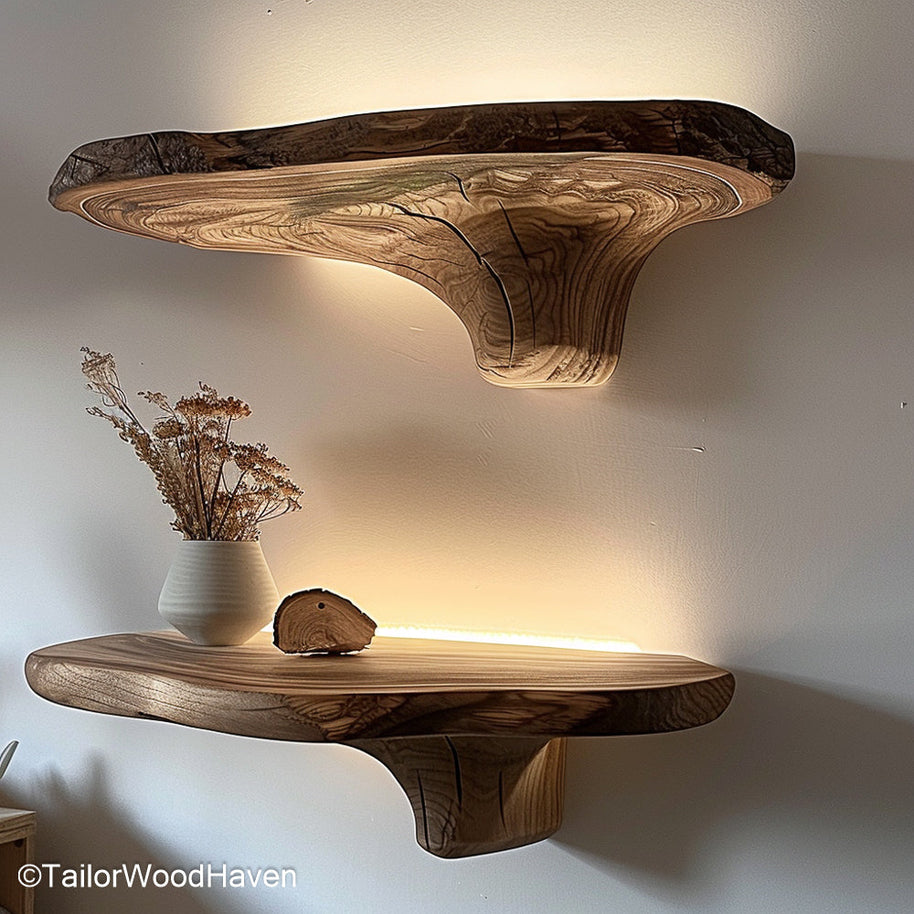
These shelves feature a weathered texture from salvaged timber, making them a perfect, authentic choice for adding rustic, vintage, or farmhouse character.
1. Definition
A floating shelf is a wall-mounted shelf featuring a concealed mounting system, typically consisting of a metal bracket or supporting rods that are first attached directly to the wall.
The shelf itself has corresponding holes or channels that slide snugly over the hardware, completely hiding the support structure.
This ingenious trick is the core of what are floating shelves and gives them their signature minimalist aesthetic.
2. Key Characteristics
The defining characteristic. The hardware is completely hidden within the shelf board.
They blend seamlessly into the décor, making them a top choice for contemporary and minimalist interior design styles.
To accommodate the hidden brackets, floating shelves often have a thicker profile than traditional shelves (usually 1.25 inches to 3 inches thick).
3. Why They’re “Floating”
The floating illusion is achieved by transferring the shelf's load, and the load of the objects placed on it, through the hidden metal brackets and directly into the wall structure, ideally, wall studs.
This clever engineering is precisely what are floating shelves use to defy gravity. The shelf functions as both the storage surface and the camouflage for the structural support, which is what floating shelves are really all about.
Are Floating Shelves Good?
The appeal of floating shelves is undeniable, but like any home fixture, they come with a crucial balance of advantages and limitations.
Before committing to a purchase, it's essential to understand what are floating shelves truly capable of supporting and the demands their installation places on your walls.
When considering what are floating shelves best used for, you must weigh the sleek aesthetics against the practicalities of installation and load bearing.
1. Pros: Aesthetic, Space-Saving, Modern
Floating shelves have revolutionized interior design, becoming a cornerstone of modern, minimalist aesthetics.
They provide an uncluttered, modern look, making the room feel larger and more open by eliminating bulky hardware.
This visual lightness is invaluable in small apartments or busy spaces like kitchens, instantly making the area feel airy and expansive.
By removing the need for floor stands or wide visible brackets, they maximize vertical wall space. They allow you to utilize awkward corners and narrow wall sections that traditional furniture might overlook.
Furthermore, the absence of side supports means you can butt them up against cabinetry or window frames for a truly seamless, custom look.
They work in nearly every room, from open kitchen shelving for plates and mugs to subtle bedside tables in a bedroom.
Their simple design makes them easy to integrate with almost any décor style, whether you choose rustic reclaimed wood or glossy contemporary lacquer.
Their clean lines draw attention directly to the items displayed on them, not the support structure. They act as minimalist pedestals, perfect for creating curated vignettes of artwork, plants, and collectibles.
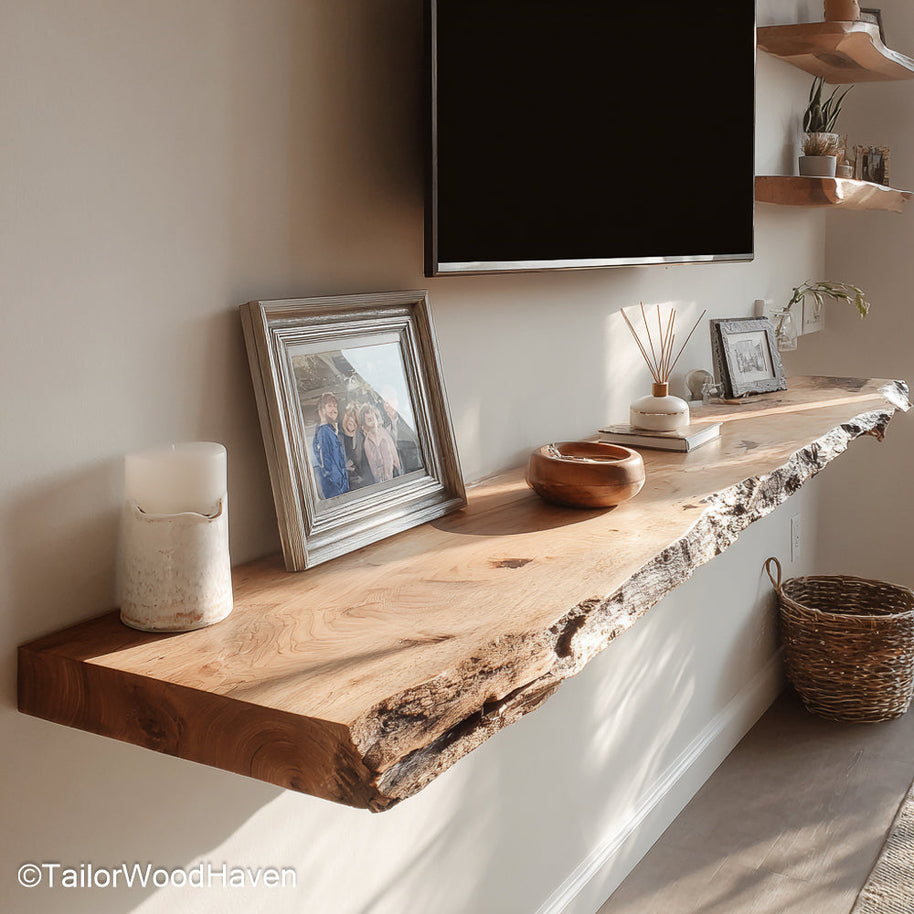
With a smooth matte finish and clean lines, these white shelves are an ideal fit for achieving a bright, minimalist Scandinavian look in any modern kitchen or bathroom.
2. Cons: Weight Limit, Installation Complexity
Despite their beauty, the hidden support system presents specific challenges that homeowners must be prepared for.
Since their support relies entirely on the hidden bracket and wall anchors, they typically hold less weight than shelves with visible L-brackets attached to multiple studs.
Overloading is the number one cause of shelf failure, so you must know the exact weight limit of your shelf and its bracket system before adding items. This is a critical factor when evaluating what are floating shelves.
Getting them perfectly level is non-negotiable. Because the bracket is hidden, the shelf board must slide onto the rods or rail system without obstruction.
Even a slight misalignment in drilling pilot holes can be visually jarring or, worse, prevent the shelf from seating correctly, making the installation process more demanding and less forgiving than with standard shelves.
Secure installation almost always requires drilling into studs or using robust anchors (like toggle bolts), which leaves more significant holes than simple picture hanging.
If you decide to remove or reposition a floating shelf later, be ready for substantial patch and repair work.
Deeper shelves increase leverage, putting more strain on the mounting points and potentially lowering the weight capacity.
This force, known as torque, highlights a key structural challenge related to what are floating shelves.
The heavier the shelf material and the deeper the shelf, the more critical it is to anchor the hidden bracket securely into structural studs.
How to Install Floating Shelves
While the installation process is straightforward, the key to successful, lasting floating shelves is precision and using the correct hardware for your wall type.
Knowing what are floating shelves installation requirements help prevent sagging or damage.
1. Installation Options by Wall Type
Always try to anchor your brackets directly into wooden wall studs. This provides the highest load capacity (up to 50 lbs per stud).
Use heavy-duty anchors like toggle bolts (Molly bolts) or specialized self-drilling metal anchors. Never rely on standard plastic expansion anchors for anything but the lightest décor.
Requires care due to its brittle nature. Drill slowly and use toggle bolts, as their large wings distribute the weight better behind the plaster and lath.
The minimal nature of the shelf requires a few essential tools for precision:
-
Level: Non-negotiable for a straight result.
-
Stud Finder: Essential for locating the strongest mounting points.
-
Drill/Driver: For drilling pilot holes and securing the bracket.
-
Measuring Tape and Pencil: For marking the exact location and ensuring consistent spacing, which is crucial when mounting what are floating shelves.
How Deep Should Floating Shelves Be?
The ideal depth of a floating shelf is determined by its intended function, as depth directly impacts the shelf's leverage and load capacity.
This is a crucial consideration when deciding what are floating shelves intended to be used in a specific room.
Standard Dimensions
Most floating shelves fall within a depth of 8 to 12 inches. Thickness is often between 1.5 and 3 inches to house the hidden bracket.
Recommended Depth by Use
|
Intended Use
|
Recommended Depth
|
Why?
|
|
Artwork / Display Ledge
|
4 - 6 inches
|
Minimizes visual obstruction; only needs to hold light frames.
|
|
Living Room / Bedroom Décor
|
8 - 10 inches
|
Accommodates small books, plants, and average-sized decorative items.
|
|
Kitchen Shelving (Plates/Mugs)
|
10 - 12 inches
|
11-12 inches is often required to securely fit standard dinner plates or large mugs.
|
|
Bookshelves
|
10 - 11 inches
|
Most hardcover books are 9 inches deep or less.
|
Avoid shelves deeper than 12 inches unless you have extremely heavy-duty, professionally installed bracket systems, as the leverage greatly reduces the safe weight limit. Considering depth helps optimize what are floating shelves are in your home.

Handcrafted from real wood with a raw edge, these corner shelves maximize unused space while providing a rustic touch to kitchens or entryways.
Are Floating Shelves a Hassle to Install?
Many potential buyers hesitate because they've heard stories about crooked shelves and difficult installations. We’ll separate the myths from the reality.
|
Myth
|
Reality
|
|
They are impossible to get straight.
|
Reality: They require more precision than shelves with visible brackets, but using a quality level and marking your points accurately makes them simple.
|
|
They always fall.
|
Reality: Failure is almost always due to incorrect anchor choice (e.g., using light-duty anchors in drywall) or ignoring the weight limit.
|
|
Any anchor will do.
|
Reality: You must use heavy-duty anchors rated for pull-out force, such as toggle bolts, when you can't hit a stud.
|
The perception of hassle largely disappears once you understand the engineering behind what are floating shelves, the stability relies on strong wall anchors, not simple nails.
The preparation takes time, but the installation itself is quick. The result is a beautiful, clean storage solution that answers the question of what are floating shelves by showing, not telling.
How to Make a Floating Wall Shelf (DIY)
If you're wondering what are floating shelves made of, the answer is often custom wood. DIYing your floating shelves allows for maximum customization in size, depth, and material.
Choose sturdy wood (e.g., pine, oak, maple) at least 1.5 inches thick. Alternatively, use a hollow-core design for a thicker look without the weight. You'll also need hidden floating shelf brackets (rods or rail systems).
Cut the wood to your desired length and depth. Sand the surfaces smooth.
Using a router or drill press, create the precise channels or holes in the back of the shelf board that perfectly align with your chosen hidden brackets. This step requires careful, exact measurement.
For a detailed guide on creating a secure hollow-core shelf for hidden brackets, check out this comprehensive DIY woodworking guide.
This understanding of construction is part of what are floating shelves DIY potential is.
-
Finish: Stain or paint the shelf.
-
Install: Follow the standard installation guide: locate studs, mount the hidden brackets securely, and slide the finished shelf onto the rods. A DIY approach provides total control over what are floating shelves' maximum potential is.
By concealing the support hardware, they maximize both visual and physical space, aligning perfectly with modern minimalist design.
Mastering what are floating shelves and how they function allows you to safely install and confidently decorate these fixtures in any room of your home.
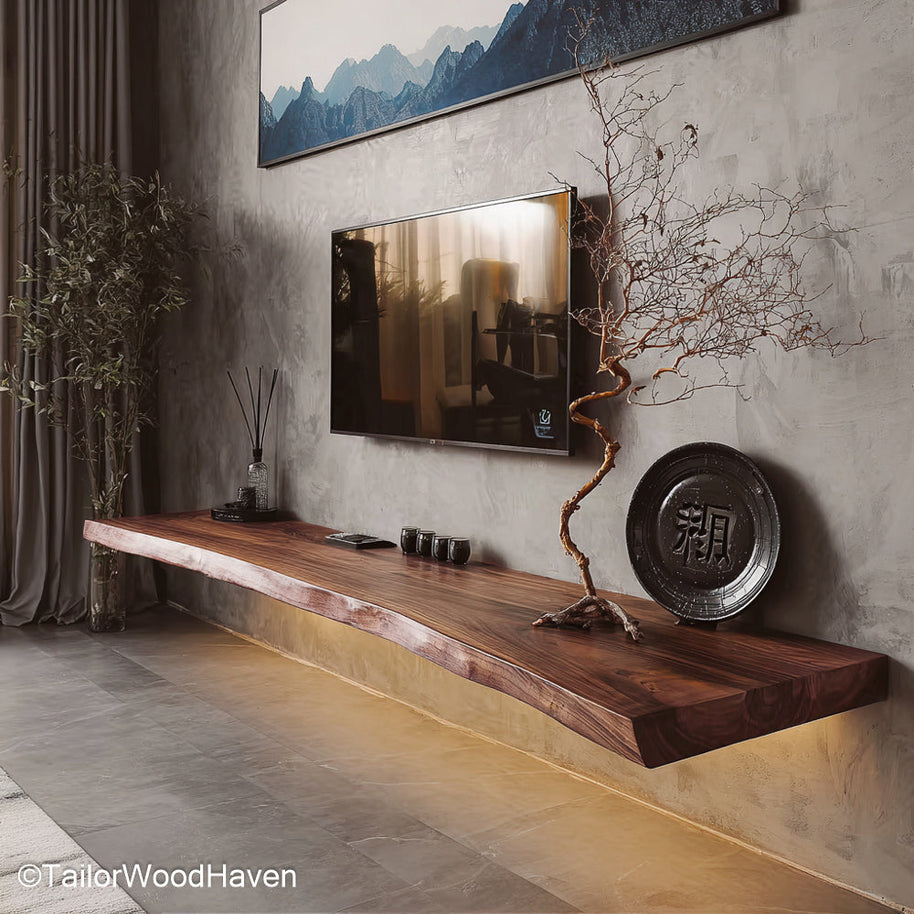
These shelves provide a bold, high-contrast visual statement with strong support, making them excellent for contemporary living rooms or modern office spaces.
 Skip to content


 Farmhouse Floating Shelves – Perfect handcrafted furniture
 Farmhouse Narrow Console Table with Storage for Entryway or Living Room
 Custom Rustic Console – Natural Wood, Made to Order


