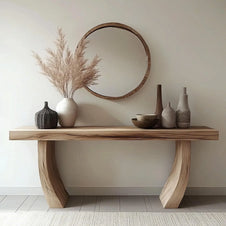
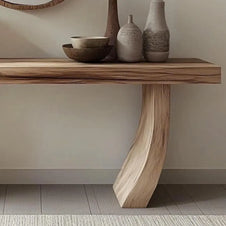
What Defines a Wood Coffee Table?
At its core, a wood coffee table is defined by the raw, organic beauty of its materials and the structural integrity of its build.
Unlike mass-produced alternatives, a high-quality timber piece is characterized by unique grain patterns, ensuring that no two tables are ever identical.
Whether it is the sophisticated swirls of walnut or the sturdy texture of oak, the material itself dictates the room's atmosphere.
Beyond the species, the definition lies in the craftsmanship. Every detail, from traditional joinery to protective topcoats, is engineered for longevity.
This blend of nature’s unpredictability and human precision makes the table a durable, soul-filled anchor for any interior.
Why a Wood Coffee Table Matters in Your Living Room
A wood coffee table is more than a surface for your remote or morning latte; it is the visual and emotional "anchor" of your home.
In modern interior design, where glass, metal, and stone often dominate, the natural presence of timber provides a vital layer of warmth and organic texture.
It transforms a house into a home by making the seating area feel lived-in and inviting rather than cold or staged.
To understand why a wood coffee table remains a staple in high-end interiors, consider these key benefits that improve both your room's flow and your daily experience:
Most living rooms are filled with straight edges from TVs, shelves, and sofas. The natural grain and softened corners of wood break up these "hard" silhouettes.
- Durability for Daily Life
Unlike glass that shows fingerprints or metal that can dent, a solid wood coffee table is built for longevity. It handles the weight of heavy books and the occasional kicked-up feet with ease.
It acts as a "social magnet", drawing people together. Its central position makes it the first thing guests notice, setting the tone for your entire decor style.
Ultimately, choosing a wood coffee table is an investment in timelessness. While trends in colors and fabrics come and go, the authentic beauty of natural timber ages gracefully, developing a unique patina that tells the story of your home over many years.
When Should You Choose a Wood Coffee Table?
A wood coffee table is a versatile centerpiece, but it truly shines in specific living environments. Whether you are moving into a new home or refreshing an old layout, knowing "when" to opt for timber can solve several common design dilemmas at once.
1. When Your Space Feels Too "Cold" or Clinical
If your living room is dominated by polished concrete, large glass windows, or metal accents, it can often feel sterile. Introducing a wood coffee table is the fastest way to inject "visual warmth".
The organic texture of the grain acts as a natural counterweight to man-made materials, making the room feel more like a home and less like a showroom.
2. When You Are Mixing Different Furniture Styles
A wood coffee table acts as a "neutral anchor" for eclectic rooms. Because wood comes in so many stains - from light oak to deep walnut - it can bridge the gap between a modern velvet sofa and traditional leather armchairs.
It is the perfect choice when you need one piece to tie together various colors and textures without clashing.
3. When You Have an Active Household
If you have children, pets, or frequently host guests, durability is non-negotiable. You should choose a wood coffee table when you need a surface that can handle "real life".
Unlike glass that smudges or acrylic that scratches easily, solid wood is resilient. It is the ideal "workhorse" for families who want a beautiful center point that doesn't require constant babying.
4. When You Value Longevity Over Trends
Trends in furniture shapes and colors change every season, but wood never goes out of style. If you are looking for a "forever piece" that ages gracefully and develops a unique character over time, a wood coffee table is the ultimate investment.
It is the right move for anyone who prefers a timeless, grounded aesthetic that will still look sophisticated a decade from now.
Who Is a Wood Coffee Table Best For?
A wood coffee table is a versatile masterpiece, but it truly excels for certain lifestyles and aesthetic preferences. Whether you prioritize family-friendly durability or high-end interior styling, there is a timber piece designed to meet your specific needs.
User Profile
Why It’s the Perfect Match
Best Style Choice
The Busy Family
Needs a "workhorse" that handles kids, pets, and daily spills without scratching or breaking
Solid Oak with rounded edges.
The Naturalist
Loves bringing the outdoors in; values organic textures, raw grains, and eco-friendly materials
Reclaimed Wood or Live-edge.
The Investor
Looking for a "forever piece" that ages gracefully and retains its value over decades
Premium Walnut or Teak.
The Cozy Host
Wanting a warm, inviting atmosphere for guests to gather around for coffee and conversation
Large Square or Round designs.
If you resonate with any of the profiles above, a wood coffee table is likely the missing puzzle piece in your living room.
It caters to those who appreciate a "lived-in" luxury - furniture that doesn't just look good in a catalog but actually enhances the quality of daily life.
Choosing a wood coffee table means choosing a centerpiece that grows with your family and tells your unique story through its natural patina.
How to Choose the Right Wood Coffee Table
Selecting the perfect wood coffee table involves more than just picking a style you love. It requires balancing the physical dimensions of your room with the specific characteristics of different timber species.
Follow this expert guide to ensure your new centerpiece fits your lifestyle and your layout.
1. Size & Proportion Guidelines
A common mistake is choosing a table that is too small for the sofa or too large for the rug. To maintain a professional look, follow these three golden rules:
- The 2/3 Rule: Your table’s width should be between 1/2 and 2/3 of your sofa’s total width.
- The Height Match: Aim for a table height that is level with or 1-2 inches lower than your sofa cushions.
- The Legroom Gap: Leave 18 inches of space between the sofa and the table for comfortable legroom.
2. Choosing the Right Wood Species
The type of timber determines not just the color, but also the durability and maintenance of your wood coffee table.
Wood Type
Key Characteristics
Best Decor Style
Oak
Extremely durable, prominent grain, classic appeal
Farmhouse, Traditional
Walnut
Rich dark tones, elegant swirls, very sturdy
Mid-Century Modern, Luxury
Teak
Naturally moisture-resistant, warm golden hue
Coastal, Scandi-Modern
Reclaimed
Eco-friendly, full of character, unique "history"
Industrial, Rustic
3. Selecting the Shape for Your Layout
The footprint of your wood coffee table should complement your seating arrangement to ensure easy movement through the room:
- Rectangular: The "gold standard" for standard 3-seater sofas and narrow living rooms.
- Round: Ideal for small spaces and homes with toddlers (no sharp corners); softens boxy rooms.
- Square: Best for large sectional sofas (L-shape) to fill the interior "V-gap" perfectly.
- Oval: Offers the surface area of a rectangle but with the space-saving curves of a round table.
By matching the right wood species with these spatial rules, your wood coffee table will feel like a natural extension of your home rather than an afterthought.
How to Style a Wood Coffee Table
Styling a wood coffee table is about creating a visual dialogue between the rugged, organic warmth of the timber and the refined textures of your decor. To avoid a cluttered look, follow these professional interior design strategies to turn your tabletop into a curated masterpiece.
1. The "Rule of Three" Composition
The most effective way to arrange a wood coffee table is by grouping items in threes. This creates a natural balance that is pleasing to the eye without overwhelming the wood's grain.
- The Vertical Anchor: Use a tall vase with greenery or a sculptural candle to add height.
- The Foundational Layer: Place a stack of 2–3 large "coffee table books" to create a flat, structured base.
- The Decorative Accent: Add a small bowl, a brass trinket, or a stone object on top of the books for a pop of personality.
2. Mixing Textures for Visual Contrast
Since wood is a "warm" and tactile material, you should introduce "cool" or "soft" elements to create a sophisticated wood coffee table display:
- Ceramic & Stone: A matte ceramic tray or a marble coaster set provides a beautiful contrast against the natural oak or walnut swirls.
- Glass & Metallic: A clear glass cloche or a polished brass bowl reflects light, highlighting the deep textures of the wood coffee table surface.
- Soft Textiles: Drape a small linen runner or place a woven rattan tray to soften the hard edges of the timber.
3. Maintain Functional White Space
Never cover more than 50-60% of your wood coffee table surface. Leaving "breathing room" allows the natural beauty of the wood grain to remain the star of the show. It also ensures that the table remains functional for its primary purpose: holding your morning coffee or evening glass of wine.
FAQs About Wood Coffee Tables
1. Is a wood coffee table durable enough for everyday use?
Absolutely. When crafted from solid wood, a coffee table is engineered to handle the rigors of daily life, from heavy art books to busy family gatherings. Unlike synthetic materials that can crack or peel, a wood coffee table is resilient and structural. If minor scratches occur over the years of use, solid wood can be easily buffed or refinished, making it a "forever" piece for your living room.
2. Solid Wood vs. Veneer: Which is better?
While wood veneer is a thin layer of timber glued to particle board, solid wood is consistent throughout. A solid wood coffee table offers superior weight, better joinery, and a more authentic grain pattern. More importantly, solid wood ages gracefully, developing a rich patina that veneer simply cannot replicate. For those seeking long-term value and natural beauty, solid wood is the undisputed winner.
3. How do I maintain the natural beauty of the wood?
Caring for your wood coffee table is remarkably simple. To keep the grain looking vibrant:
- Dust Regularly: Use a soft, dry, lint-free cloth.
- Use Coasters: Protect the finish from moisture rings and heat.
- Avoid Harsh Chemicals: Stay away from ammonia-based cleaners; a slightly damp cloth with mild soap is all you need.
- Oil Occasionally: Depending on the finish, applying a natural wood conditioner once or twice a year will keep the timber hydrated and glowing.
4. How can I tell if a wood coffee table is high quality?
Look for these three hallmarks of superior craftsmanship:
- Weight & Stability: A premium wood coffee table should feel heavy and grounded, not hollow.
- Seamless Joinery: High-quality pieces use traditional joinery (like dovetails or mortise-and-tenon) rather than just nails or glue.
- Grain Consistency: Look for natural variations in the wood grain; perfectly "repeating" patterns usually indicate a cheap laminate or printed surface.
5. Are Tailor Wood Haven tables sustainably made?
Yes. At Tailor Wood Haven, we believe that a wood coffee table should be as kind to the earth as it is beautiful in your home.
We prioritize responsibly sourced timber and artisanal construction methods that reduce waste, ensuring your centerpiece is both eco-friendly and built to last for generations.