Wood-boring insects are a less common threat to wall art than humidity or sunlight, but they're a more serious one when they do show up, since an active infestation can spread to other wood items in a home before it's even noticed. Most wood wall art, especially anything properly kiln-dried and finished by a reputable maker, carries very little risk on its own. The real exposure usually comes from untreated, reclaimed, or foraged wood brought in without inspection. Here's how to actually protect a piece, and what to watch for.
Recognizing the Risk Before It Reaches Your Wall
Prevention starts with knowing what to look for and inspecting any wood before it ever gets near a finished piece or the rest of your home.
Common Wood-Boring Pests to Know
|
Pest
|
Signs
|
Wood Most at Risk
|
|
Powderpost beetles
|
Small round exit holes, fine powdery frass
|
Dry hardwoods, especially unsealed or reclaimed pieces
|
|
Termites
|
Mud tubes, hollow-sounding wood, discarded wings
|
Any untreated wood in contact with soil or high humidity
|
|
Carpenter ants
|
Sawdust-like shavings (not powdery), smooth-walled tunnels
|
Damp or partially decayed wood
|
|
Woodworms (furniture beetle larvae)
|
Small holes, tunnels just under the surface
|
Older furniture-grade wood, antiques
|
Inspect Before It Ever Comes Inside
The single most effective protection happens before a piece reaches your wall at all. Check reclaimed, foraged, or secondhand wood carefully for small round holes, fine sawdust-like powder (frass) around the base, or soft, crumbling spots, all signs of past or active insect activity. Be especially cautious with wood gathered outdoors, driftwood, branches, or pallet material, since it's had direct exposure to the kind of environment insects actually live in, unlike kiln-dried lumber from a mill. Ask about drying and treatment history when buying a finished piece too, since properly kiln-dried wood reaches temperatures during drying that kill existing insects and larvae, a meaningful advantage over air-dried or untreated material. If a piece's history is uncertain, quarantining it in a garage or separate space for a few weeks before bringing it near other wood items gives any hidden activity time to become visible before it has a chance to spread.

Quarantining reclaimed lumber and foraging materials to reveal hidden larval activity
>>> Read more: How to Protect Wood Wall Art from Sunlight
Treating and Maintaining a Protected Piece
Once a piece is in good condition, the right treatment and a few ongoing habits keep it that way.
Treat and Seal Wood to Deny Access
A borate-based wood treatment, applied before final finishing, penetrates the wood and remains effective as a long-term deterrent against many wood-boring insects, commonly used on reclaimed or higher-risk wood before it's built into a finished piece. A full seal on every surface, not just the front, closes off exposed, unfinished wood that would otherwise be more vulnerable to insects looking for a place to lay eggs. It's also worth keeping an eye on any cracks or checks in the wood, since insects often target already-compromised wood over smooth, intact surfaces, which is one more reason to fill or seal developing cracks promptly rather than leaving them open.
Control the Conditions That Attract Insects
Most wood-boring insects are drawn to damp, decaying wood far more than dry, well-sealed wood, so the same humidity habits that protect against warping also reduce insect risk. Keep indoor humidity in the 30 to 50 percent range where practical, since consistently damp wood is far more attractive to many wood pests than dry wood. Avoid storing finished pieces directly on a basement or garage floor, or anywhere in contact with soil, both common entry points for termites specifically, and address any water leaks or damp spots near stored or displayed wood promptly, since persistent moisture is what turns a low-risk piece into an attractive target over time.
Managing indoor humidity levels to prevent damp decay that draws wood-boring pests
>>> Read more: How to Pack Wall Art for Moving: A Complete Guide to Packing It Safely
Responding to Signs of an Infestation
A fast, careful response makes the difference between a minor, contained issue and a spreading problem.
What to Do If You Find Signs of Insects
If you notice small holes, fine powder, or other signs of activity on a piece already in your home, isolate it from other wood items immediately, moving it to a separate room or an outdoor, covered space if possible, to prevent any spread. A pest control professional can confirm whether activity is active or old and inactive, which matters a lot for deciding next steps, since old, inactive damage with no fresh frass often just needs repair, while active infestation needs treatment before the piece can safely go back near other wood.
For a piece worth saving, a few treatment options exist depending on severity. A localized, minor issue can sometimes be treated at home with a borate-based wood treatment injected or brushed directly into affected areas, effective against many common wood-boring larvae without needing to remove the piece entirely. A chest freezer can also work for a smaller piece, since sustained freezing temperatures over a week or two kill most insect life stages, though this only works for pieces small enough to fit. For anything more established, widespread tunneling, multiple active exit holes, or a piece infested for an unknown length of time, professional fumigation or heat treatment is the more reliable route, since DIY methods can miss larvae deep within the wood that later re-emerge.
Choosing between localized borate injections freezing techniques or professional fumigation services
Ongoing Monitoring for Peace of Mind
Even a properly treated and sealed piece benefits from an occasional check, particularly if it's reclaimed, foraged, or otherwise higher-risk material. Look underneath or behind the piece every few months for any small piles of fine sawdust or frass that weren't there before, usually the earliest visible sign of new activity. A quick visual scan during regular dusting is usually enough, and catching a new, minor issue early makes it far easier to treat than discovering a well-established infestation months later.
Choosing Lower-Risk Pieces From the Start
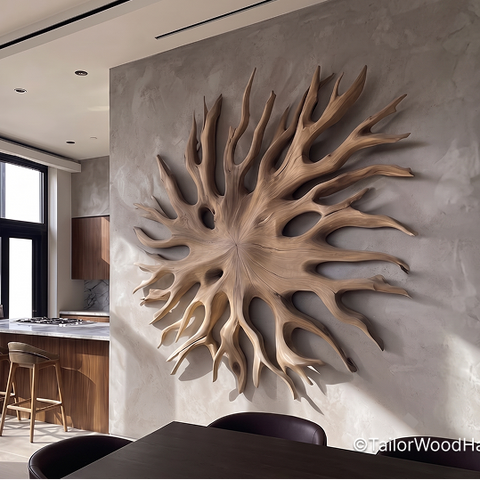
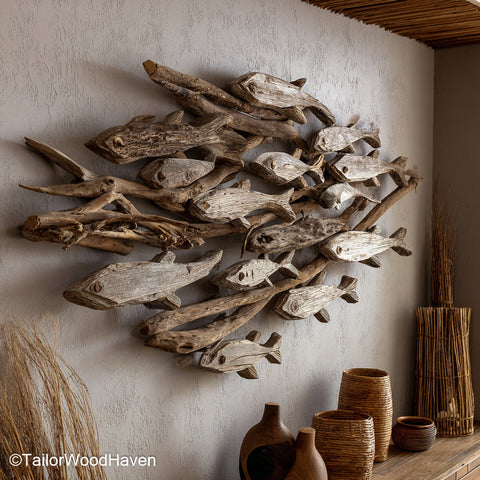
Buying from a maker who already kiln-dries and properly seals their material removes most of this concern before it ever becomes your problem. A fully finished piece, like our carved wood wall art, where the wood has already been dried, treated, and sealed on every surface, carries meaningfully lower risk than an untreated reclaimed find. Driftwood specifically is worth a closer look too, since raw, foraged driftwood picked up directly from a beach carries real risk of hidden insect activity, while a properly dried and sealed piece from our driftwood wall art has already been through that preparation safely.
Investing in professionally kiln-dried and sealed decor over raw untreated salvage
Protecting wood wall art from insects comes down to inspection before a piece comes inside, proper drying and treatment during construction, and good humidity habits once it's displayed, rather than any special ongoing effort. Our layered strata wood panel, built from properly dried and sealed wood from the start, illustrates how much of this protection is already handled before a piece reaches a wall at all. For anyone bringing home a reclaimed or foraged piece instead, a careful inspection and a short quarantine period go a long way toward catching a problem before it spreads. If you're ever unsure whether a specific piece was properly treated, it's worth asking the maker directly, and the team at Tailor Wood Haven can walk you through exactly how any piece in their collection was prepared.
|
TAILOR WOOD HAVEN
Address 1: 412 Palmetto Dr, Columbia, SC 29201
Address 2: 1201 Hillside Avenue, Victoria, British Columbia V8T 2B1, Canada
Address 3: Phu Thai Town, Hai Phong 03306, Vietnam
Call us: +1 (647)-608-1571
Email: hello@tailorwoodhaven.com
|
 Skip to content


 Farmhouse Floating Shelves – Perfect handcrafted furniture
 Farmhouse Narrow Console Table with Storage for Entryway or Living Room
 Custom Rustic Console – Natural Wood, Made to Order