Noticing your shelves starting to dip or lean? This guide on how to fix sagging floating shelves will show you simple ways to restore strength and balance. Whether your shelf is made of solid wood or plywood, we’ll explain what causes sagging and how to reinforce it safely and effectively.
Why Do My Floating Shelves Sag?
Before jumping into how to fix sagging floating shelves, it’s important to understand why it happens in the first place. Knowing the cause helps you apply the right fix and prevent future issues.
Many homeowners often look for how to fix sagging floating shelves only after noticing that their shelves tilt or pull away from the wall, but identifying the root cause first is the real solution.
1. Overloading over the weight limits
Every floating shelf has a weight limit, depending on the material and mounting hardware. When you place too many heavy items - like books, ceramics, or planters - it starts to dip over time. If this sounds familiar, you’ve already discovered the first reason behind sagging shelves, and it’s one of the most common situations that lead people to search for how to fix sagging floating shelves.
2. Weak Wall Anchors or Loose Brackets
Sometimes, the problem isn’t the shelf itself but the wall attachment. If the anchors are loose or installed in drywall without studs, the shelf slowly starts to pull away. This is another scenario where people wonder how to fix sagging floating shelves without completely reinstalling them.
3. Poor-Quality Wood or Particleboard
Particleboard and MDF shelves are cost-effective but prone to sagging, especially in humid environments. Solid wood or plywood, on the other hand, handles weight and moisture much better. If you’re learning how to fix sagging floating shelves, it’s smart to also evaluate whether the shelf material itself is part of the problem. Upgrading to higher-quality wood can save you from repeated repairs later on.
4. Moisture damage or warping with time
Moisture is a silent enemy. It can make wooden shelves warp or bow, especially if they’re near a sink, bathroom, or window. A little preventive care - like sealing the wood - can go a long way.
Once you figure out why your floating shelf is sagging, you can confidently move forward with how to fix sagging floating shelves using the right tools, brackets, and reinforcement techniques.
How to Make a Floating Shelf from Solid Wood
If you’re learning how to fix sagging floating shelves, sometimes the best long-term solution is to build a stronger one from the start. Solid wood shelves not only look timeless but also hold more weight and resist bending much better than MDF or particleboard options.
Choose the Right Wood Type
Start by choosing hardwoods like oak, maple, or walnut - all known for their density and durability. These materials are perfect if your current shelf bowed or dipped and you’re searching for how to fix sagging floating shelves in a way that ensures it never happens again.
For a rustic and cozy vibe, you can try something like the Rustic Floating Shelves, they combine strength and timeless charm.
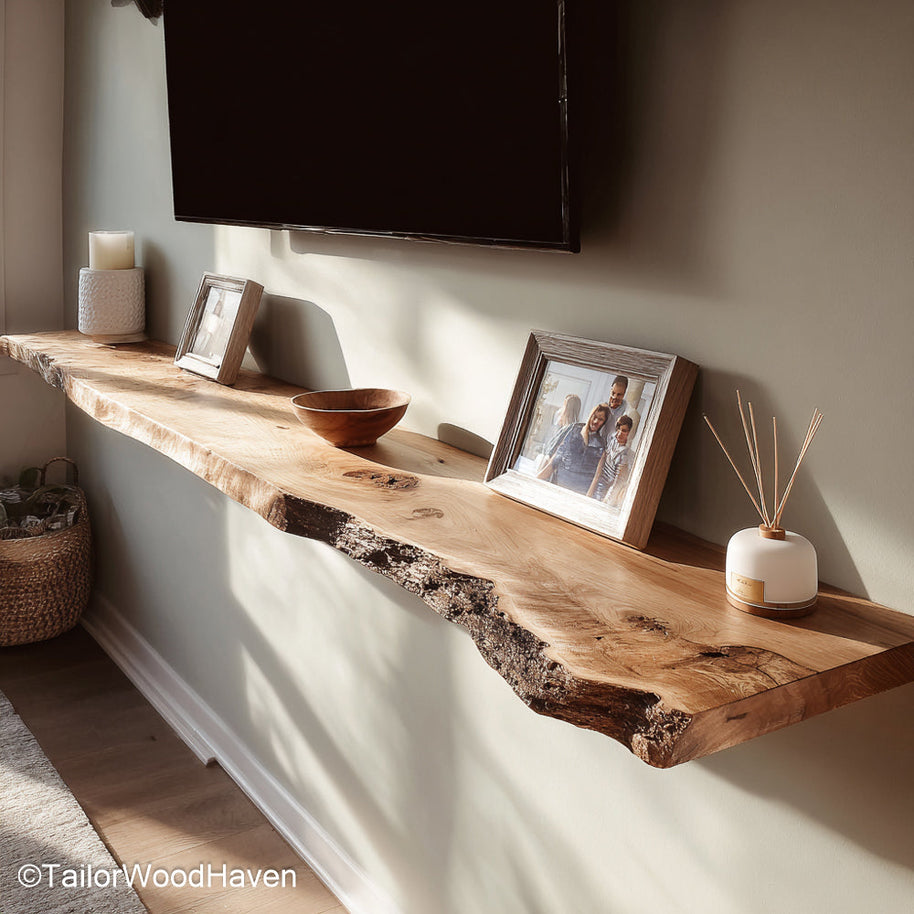
To make your own, cut the solid wood board to your desired length and depth, then sand and smooth the edges for a clean finish. Drill holes for hidden brackets or use a sturdy cleat system for added support. This small detail makes a big difference, especially if you’ve ever struggled with shelf stability before.
Finally, seal your wood with a moisture-resistant finish. Not only does this protect it from humidity and warping, but it also reduces future maintenance. In other words, by following these steps, you’re not just crafting a stylish display - you’re building a lasting answer to how to fix sagging floating shelves and prevent future drooping.
How Do You Fix Warped Plywood Shelves?
Warped plywood shelves can still be saved! You don’t always need to replace them - just straighten and reinforce. In fact, many of the same principles you’d use when learning how to fix sagging floating shelves apply perfectly here too.
Remove and Flatten the Board
Begin by taking the shelf down. Dampen the convex side (the one that curves outward) slightly with a wet cloth. Then, place it flat with the damp side down and stack some heavy books or weights on top for 24 hours.
This helps the fibers relax and return closer to their original shape. Be careful not to soak the board - you just want it a little moist. If you’ve been researching how to fix sagging floating shelves, this step works as an effective base fix before reinforcing or reinstalling.
Once the board is flat, attach 1x2-inch wooden strips or aluminum braces along the back or underside. This keeps the board straight and prevents future sagging.
Screw the battens in tightly, and if possible, add a thin layer of wood glue for extra grip. After that, reinstall the shelf using strong anchors or brackets. This method not only corrects a warped surface but also supports anyone trying to understand how to fix sagging floating shelves that have weakened over time.
How to Hang a Floating Shelf on Plasterboard (Without Sagging)
Plasterboard or drywall is common in modern homes but not the strongest surface for shelves. If you want your shelf to stay level, proper mounting is everything, and understanding how to fix sagging floating shelves gives you the foundation to install them right the first time.
Use Heavy-Duty Toggle Bolts or Wall Anchors
Standard screws alone won’t hold much weight on drywall. Instead, use toggle bolts, molly bolts, or snap toggles that expand behind the wall for solid grip.
When drilling, make sure you mark where your studs are. If possible, mount at least one bracket into a stud for added strength.
This is a key step many people miss when learning how to fix sagging floating shelves on drywall or plasterboard - secure anchors make all the difference between a firm shelf and one that slowly dips over time.
Spread the Load Evenly
To prevent sagging, distribute the shelf’s weight across multiple brackets or anchor points. You can also use a backing plate (a flat wooden strip) to help spread pressure.
Need an easier solution? Try the Floating Shelves - they come with sturdy hardware for a secure wall fit.
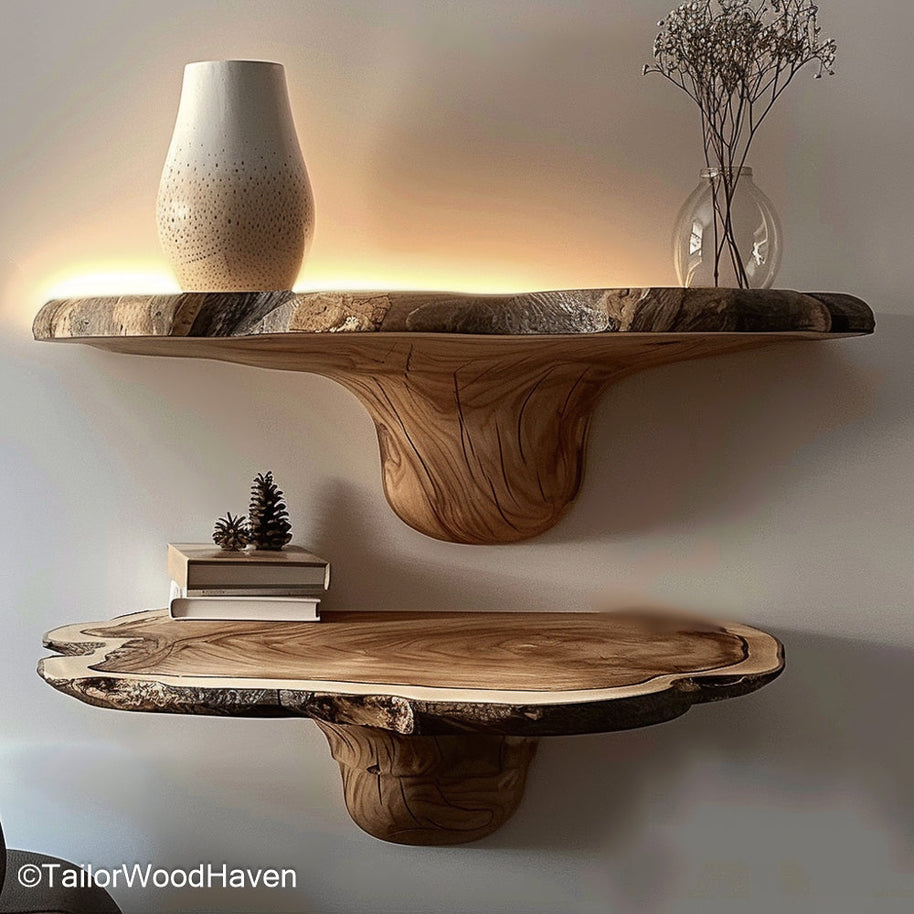
For those using solid wood walls instead of plasterboard, nailing directly might be an option.
How Do You Nail a Wooden Shelf to a Wall?
When dealing with wooden walls or studs, nailing can be a quick and clean installation method - if done properly.
Pre-Drill the Holes
Never hammer nails directly into hardwood without drilling first. Pre-drill smaller holes to prevent the wood from splitting or cracking.
Secure with Finish Nails and Wood Glue
Use long, thin finish nails and a strong wood adhesive together. The glue will hold most of the weight while the nails keep the shelf tight to the wall.
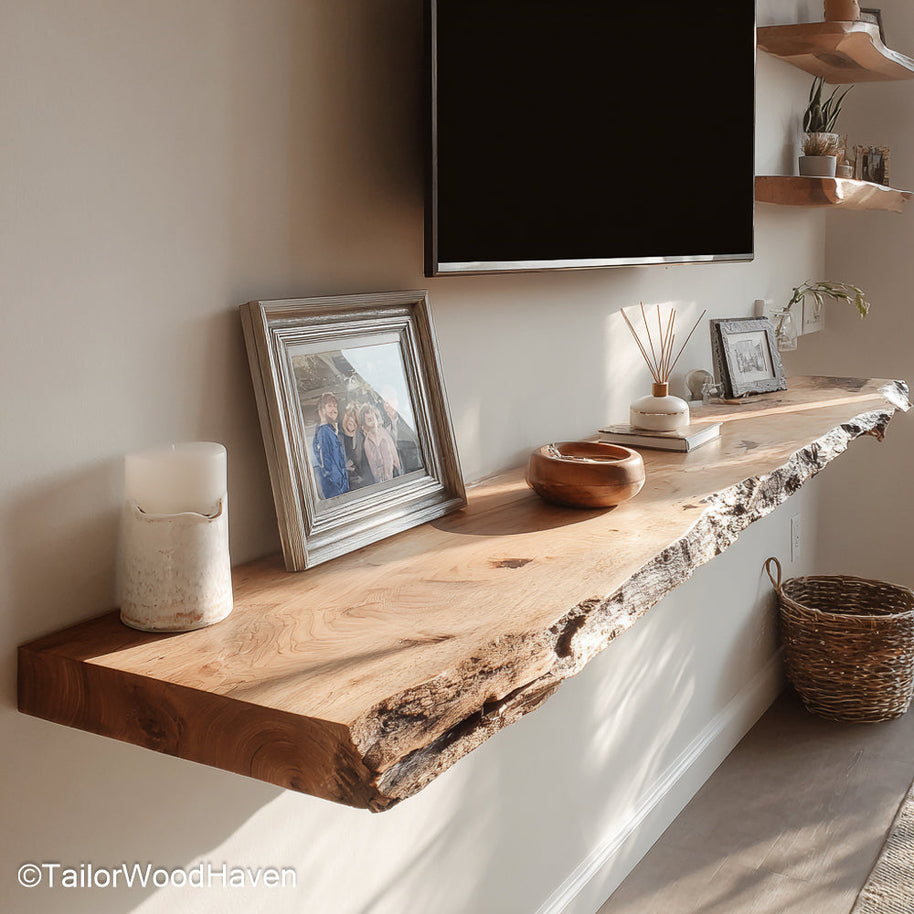
For a minimalist, Scandinavian-inspired look, check out the White Floating Shelve. They pair beautifully with wooden walls and clean interiors.
Can You Install Bookshelves on Drywall?
Yes, you can mount bookshelves on drywall, but only if they’re properly supported.
Install Anchors into the Wall Studs
Locate studs using a stud finder and screw directly into them. Studs provide the solid structure needed to carry the weight of books and decorations.
Add Corner Brackets for Reinforcement
For extra stability, add small L-shaped metal brackets under each end of the shelf. They’ll help keep everything level and secure.
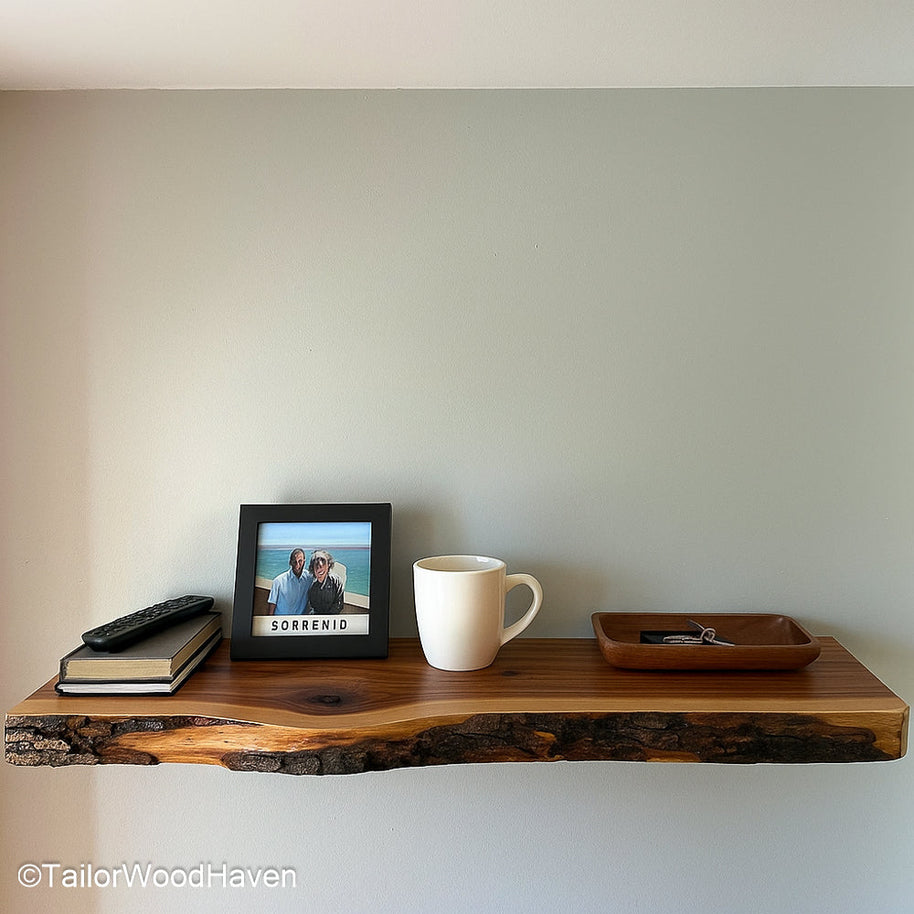
For a natural, modern display, you can explore the Floating Shelves for Living Room. These shelves are perfect for books, plants, and accent pieces - without the worry of sagging.
Why Do Objects Fall Off My Shelves at Home?
When objects start falling off shelves, it’s often a sign of subtle imbalance. Here are a few common reasons:
-
The wall surface has slightly shifted over time.
-
Vibrations from washing machines, music systems, or traffic can cause movement.
-
Uneven weight distribution - placing all heavy items on one side can cause tilting.
Sometimes, the issue lies deeper within your mounting system. For more technical insight, you can visit Shelfology’s guide, they explain advanced reinforcement techniques for all wall types.
1. Can I fix sagging floating shelves without removing them from the wall?
Yes, in some cases. If the sagging is minimal, you can tighten the wall brackets or add an L-bracket underneath for support. However, if the shelf has warped or the anchors are loose, it’s best to remove and remount it for a permanent fix.
2. What’s the best way to reinforce floating shelves to prevent sagging again?
The best way is to use hidden metal brackets that run deep into wall studs, and choose solid hardwood or reinforced plywood. Avoid overloading and check your anchors regularly for tightness.
3. How much weight can floating shelves hold without sagging?
It is dependent on the material and mounting method. On average, high-quality floating shelves can hold 30 to 70 pounds, but only if attached to studs with strong brackets. Before installing any product, always check its weight capacity.
Learning how to fix sagging floating shelves doesn’t require professional skills - just patience, simple tools, and the right approach. Whether your shelves are made of solid wood, plywood, or particleboard, the key is reinforcing their structure and using strong mounting hardware. With proper care and installation, your floating shelves will not only look beautiful but also stay perfectly level for years to come.
 Skip to content


 Farmhouse Floating Shelves – Perfect handcrafted furniture
 Farmhouse Narrow Console Table with Storage for Entryway or Living Room
 Custom Rustic Console – Natural Wood, Made to Order


