Wondering how far apart to hang floating shelves so they look stylish and stay functional? The right spacing can make or break your wall décor. Too close, and everything feels cramped; too far apart, and the wall looks empty. In this guide, you’ll learn the ideal spacing between shelves, how deep they should be, how to hang them safely, and even how to decorate them beautifully - all without damaging your walls.
How Far Apart Are Floating Shelves Usually Placed?
One of the most common questions homeowners ask is how far apart to hang floating shelves to make their wall both functional and attractive. Getting the right spacing is key - too close, and your shelves look cluttered; too far apart, and they lose balance.
The ideal distance between floating shelves generally ranges from 12 to 24 inches (30–60 cm), depending on the wall height, shelf depth, and the items you plan to display. When deciding how far apart to hang floating shelves, think about the room’s purpose and what you’ll store on them.
For example:
-
Living room or office: 15–18 inches apart looks balanced for books and décor.
-
Kitchen: 15 inches gives you enough room for dishes and jars without feeling crowded.
-
Bathroom: 10–14 inches often works best for toiletries.
-
Bedroom: Up to 24 inches apart if you want a spacious, airy feel.
A smart trick is to tape paper templates on the wall to visualize spacing before drilling. This helps you test how far apart to hang floating shelves for your wall size and ensures the arrangement feels natural to your eyes.
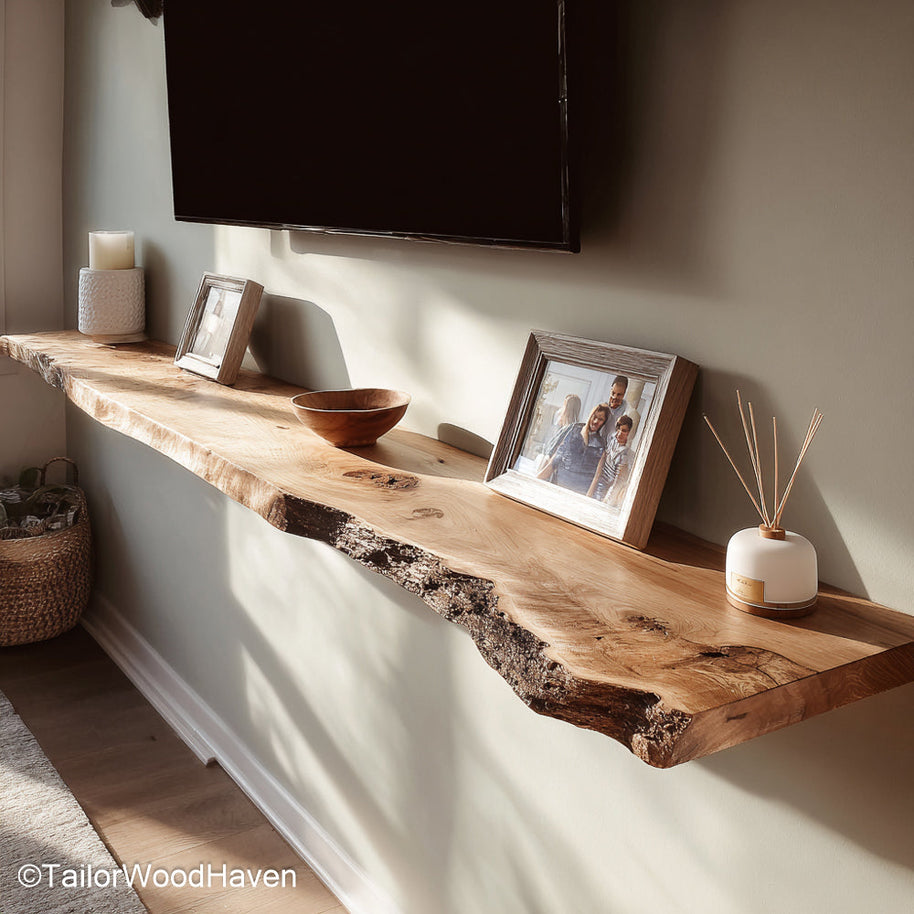
Looking for beautifully handcrafted options that fit any spacing layout? Explore these rustic floating shelves - a perfect choice for farmhouse or cottage-style homes.
How Deep Should Floating Shelves Be for Ideal Functionality?
When thinking about how far apart to hang floating shelves, you can’t ignore shelf depth - the two go hand in hand. Even if your spacing is perfect, the wrong depth can throw off the entire wall design.
Most floating shelves range between 6 to 12 inches deep. Shallow shelves (6–8 inches) work great for decorative pieces or small bathrooms, while deeper shelves (10–12 inches) are perfect for books, plants, or kitchen storage.
Here’s a simple rule of thumb:
-
The deeper the shelf, the more space you’ll need between them.
For instance, if your shelves are 12 inches deep, leave at least 18–24 inches between them.
-
For narrow shelves, 12–15 inches apart is often ideal.
Understanding depth is essential to deciding how far apart to hang floating shelves because it directly affects how your wall feels - open and airy or full and cozy.
For a sleek, invisible design that can support heavy décor, explore these floating shelves with hidden brackets. They keep your wall clean while providing powerful support.

How to Hang Floating Shelves Without Damaging Walls
Once you’ve figured out how far apart to hang floating shelves, the next challenge is mounting them safely - especially if you’re worried about drilling mistakes or wall damage. The truth is, even the best spacing won’t matter if your shelves aren’t properly secured.
1. Find the Wall Studs
Use a stud finder to locate the wooden supports behind your drywall. Anchoring your brackets directly into studs is the safest way to support heavy shelves, no matter how far apart to hang floating shelves on the wall.
2. Use Heavy-Duty Wall Anchors
If studs aren’t available where you want your shelves, high-quality wall anchors or toggle bolts are your next best option. Always check the weight rating.
3. Pre-Drill and Level
Mark your drill points carefully and double-check them with a level. Even small misalignments can make your shelves appear uneven, which is especially noticeable when you’ve planned carefully how far apart to hang floating shelves for symmetry.
4. Choose the Right Brackets
Even invisible brackets differ in strength. Pick ones rated for your shelf size and weight capacity.
For a deeper dive into shelf spacing measurements and installation techniques, read The Perfect Guide from Peters Goods - a great reference for balancing both beauty and structure.
Now that your shelves are safely mounted, let’s talk about the ideal height and how it affects both appearance and function.
What Is the Ideal Shelf Height on a Wall?
Knowing how far apart to hang floating shelves is only half the story - you also need to consider how high they should be placed on the wall. Even perfectly spaced shelves can look awkward if the overall height is off. The right height makes the difference between a well-balanced display and a cluttered or disconnected layout.
Here’s a quick breakdown:
-
The bottom shelf should usually sit about 18–24 inches above furniture (like a desk, sofa, or toilet).
-
The top shelf shouldn’t exceed 7 feet (210 cm) from the floor; anything higher becomes hard to reach and visually disconnected.
-
Between each shelf, maintain at least 12 inches for books or décor, or up to 20 inches for larger items.
When deciding how far apart to hang floating shelves, remember that shelf height contributes to how open and breathable your wall looks. Placing them too high can make the space feel top-heavy, while lower positioning creates a grounded, cozy feel.
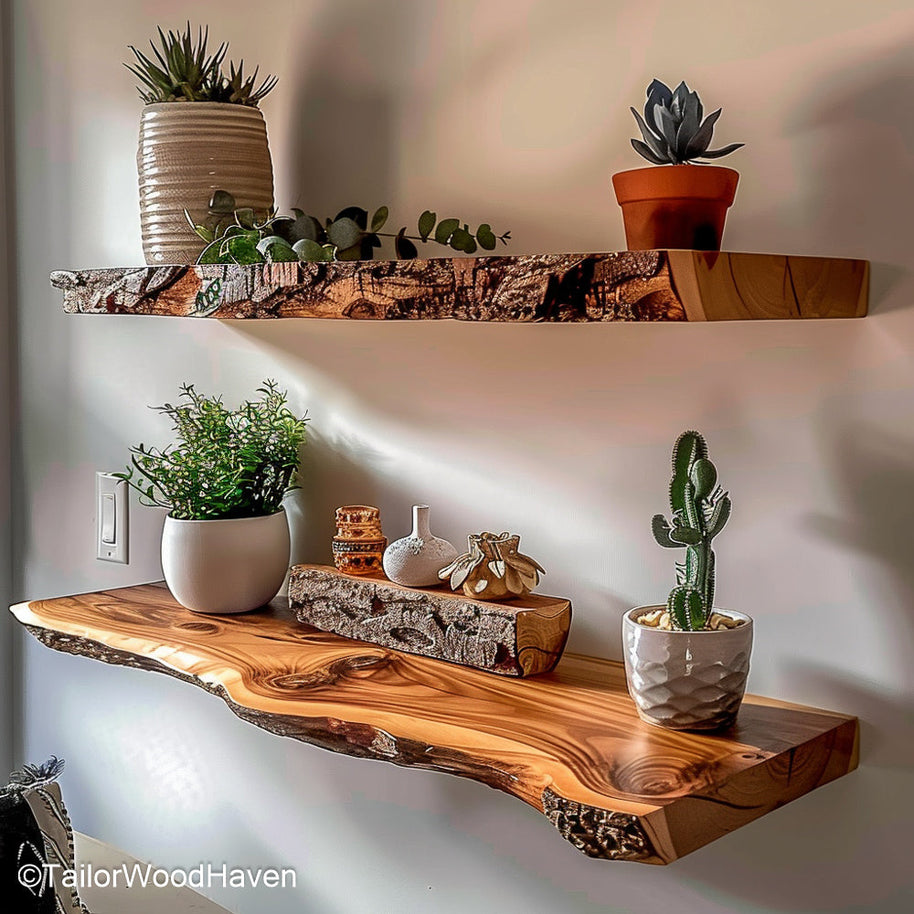
For smaller rooms like bathrooms, consider compact, space-saving options like these floating shelves over toilet - designed for easy installation and smart organization.
Tips for Building Simple Floating Shelves with Perfect Spacing
Once you know how far apart to hang floating shelves, building and aligning them becomes much easier. Even if you’re not a professional carpenter, a few smart tricks can help you achieve that clean, polished, and perfectly balanced look.
Here’s a simple step-by-step approach:
-
Plan Your Layout
Before drilling, mark your shelf layout with painter’s tape. It helps you visualize how far apart to hang floating shelves without making permanent holes. Step back and adjust until the spacing feels right for your wall and furniture.
-
Cut and Sand the Boards
Choose solid wood or reclaimed timber for character. Sand the edges smooth and clean off any dust.
-
Attach Hidden Brackets
Drill holes for your mounting rods or metal brackets. Always use heavy-duty ones for stability.
-
Mount the Brackets and Slide the Shelves On
Once brackets are aligned and leveled, slide your boards over and secure them in place.
-
Check Alignment and Weight Capacity
Use a level to ensure everything looks even, and test by adding light items first.
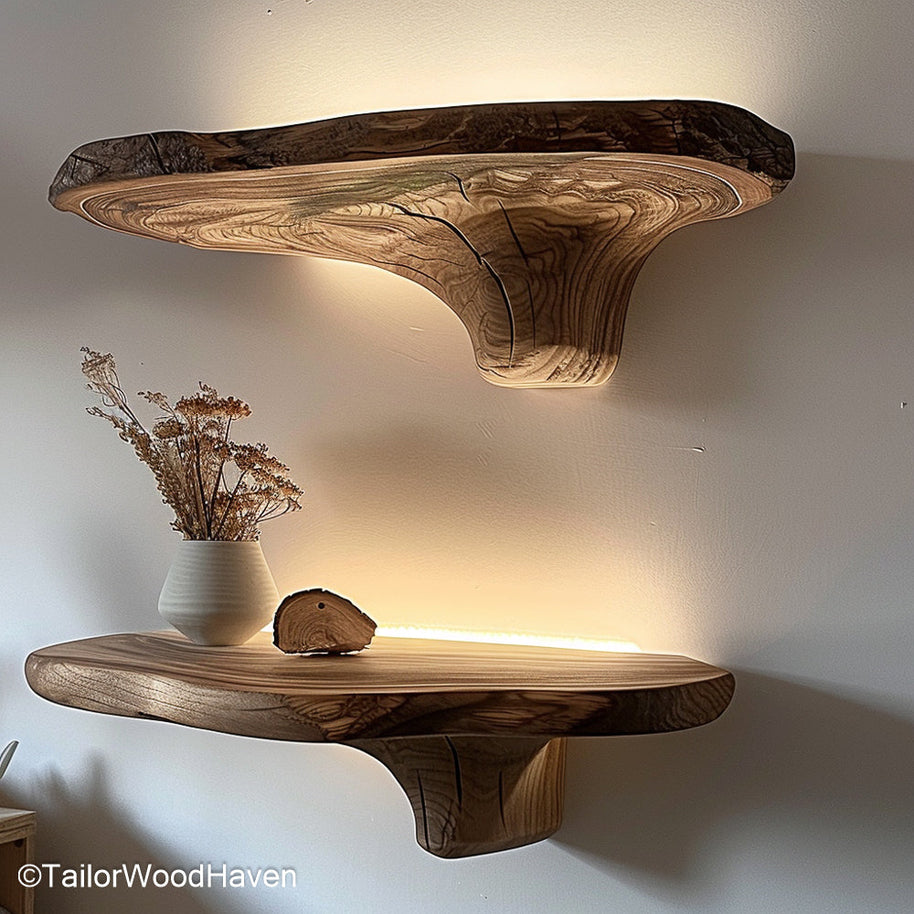
If you prefer a ready-made rustic vibe without the work, you’ll love these reclaimed wood floating shelves. Each piece tells its own story through beautiful texture and natural wear.
Now that your shelves are built and installed, it’s time to bring them to life with thoughtful decoration.
How to Decorate Floating Shelves for a Balanced Look
Once you’ve figured out how far apart to hang floating shelves, it’s time to make them shine. Decorating them right can transform a plain wall into an eye-catching focal point that reflects your personality and style.
Here are a few decorating tips that work every time:
-
Use the Rule of Thirds: Group items in sets of three - a tall item, a medium one, and a small accent.
-
Mix Textures: Combine wood, glass, metal, and ceramics to add visual interest.
-
Leave Breathing Space: Don’t overload. A few well-placed items look more elegant than cluttered shelves.
-
Add Greenery: Plants instantly soften the look and create a lively, organic feel.
-
Play with Height and Symmetry: Keep heavier or taller items on opposite sides to balance weight visually.
Once you’ve styled your shelves, maintaining consistent spacing between each tier ensures the design feels cohesive, modern, and intentional - not random or crowded.
Common Mistakes to Avoid When Hanging Floating Shelves
Even when you know how far apart to hang floating shelves, there are pitfalls that can ruin the look or damage your wall.
-
Ignoring Wall Studs: Hanging directly on drywall can cause collapse over time.
-
Uneven Spacing: Use a tape measure and level for precise alignment.
-
Overcrowding: Leave enough visual breathing room between items and shelves.
-
Wrong Depth for the Space: Deep shelves in narrow areas can feel overwhelming.
-
No Test Layout: Always tape paper cutouts before drilling to see proportions in real time.
Avoiding these mistakes keeps your design clean, balanced, and safe.
1. What is the best distance between floating shelves?
The best distance between floating shelves is typically 12 to 24 inches apart, depending on the shelf depth and what you plan to display. For smaller items or decorative accents, closer spacing creates a cozy look.
2. How do I decide how far apart to hang floating shelves in different rooms?
It depends on your space and function. In a kitchen, shelves 15 inches apart are great for dishes and jars. In a bathroom, 10–14 inches works best for toiletries. For living rooms or bedrooms, 18–24 inches gives a more open, elegant layout.
3. Does shelf depth affect how far apart to hang floating shelves?
Yes - shelf depth plays a big role in spacing. The deeper your shelves are, the more vertical space they’ll need between them. For instance, 6-inch shelves can be placed about 12–15 inches apart, while 12-inch shelves should have 18–24 inches between them.
The perfect spacing between floating shelves isn’t a one-size-fits-all rule - it’s about balance, proportion, and purpose.
Whether you’re hanging shelves in your kitchen, bathroom, or living room, knowing how far apart to hang floating shelves ensures they look both stylish and secure. Start simple, measure carefully, and enjoy creating a wall display that truly reflects your home’s character.
 Skip to content


 Farmhouse Floating Shelves – Perfect handcrafted furniture
 Farmhouse Narrow Console Table with Storage for Entryway or Living Room
 Custom Rustic Console – Natural Wood, Made to Order


