Your cart (0)
Your cart is empty
Tax included and shipping calculated at checkout
Recommended products

Drawer menu
Tax included and shipping calculated at checkout


Are floating shelves just a passing Pinterest trend or a timeless home décor choice? They have been a staple of minimalist and modern interiors for over a decade.
In 2025, they’re not just still in style - they’re evolving. Here’s how you can confidently answer the question, are floating shelves in style, by embracing the new trends in material and function.
A floating shelf is defined by its lack of visible support. The shelf board attaches directly to the wall using a concealed bracket or sturdy rod system, cleverly creating the illusion that the shelf is effortlessly levitating. This seamless integration is precisely why are floating shelves in style.
This design plays two primary roles: aesthetic and functional. Aesthetically, the floating shelf is prized for its clean, uninterrupted lines, which instantly make any room feel larger, more open, and significantly less cluttered.
Functionally, it offers essential vertical storage without the bulky footprint of traditional cabinets or floor units, thus maximizing wall space in compact areas.
The enduring success of this dual role, form meeting function, is a strong indicator that are floating shelves in style remains a resounding "yes" for most interior designers and homeowners alike.
The consensus among design professionals is that floating shelves are not just a trend; they are a timeless architectural feature, provided they are used intentionally and integrated seamlessly into the space.
Many designers agree that the floating shelf has moved past its "fad" status and become a standard design component.
However, the style has matured. Generic white shelves mounted on a huge, empty wall may feel dated.
The modern application involves using high-quality materials (e.g., thick, rift-sawn white oak or heavy marble) and integrating the shelves directly into the architecture, such as extending them from a fireplace mantel or continuing them across a window.
If you use high-quality materials and thoughtful placement, you can be sure there are floating shelves in style in your home.
Minimalism, which emphasizes clean spaces and function, is inseparable from the floating shelf.
The shelf’s lack of visible hardware perfectly aligns with the minimalist principle that every design element should be functional and visually quiet.
As long as minimalism and Scandinavian design aesthetics remain popular, which they show no sign of abandoning, the question are floating shelves in style will continue to be answered affirmatively.
They force homeowners to curate their display items, preventing clutter, which is the core goal of minimalist living.
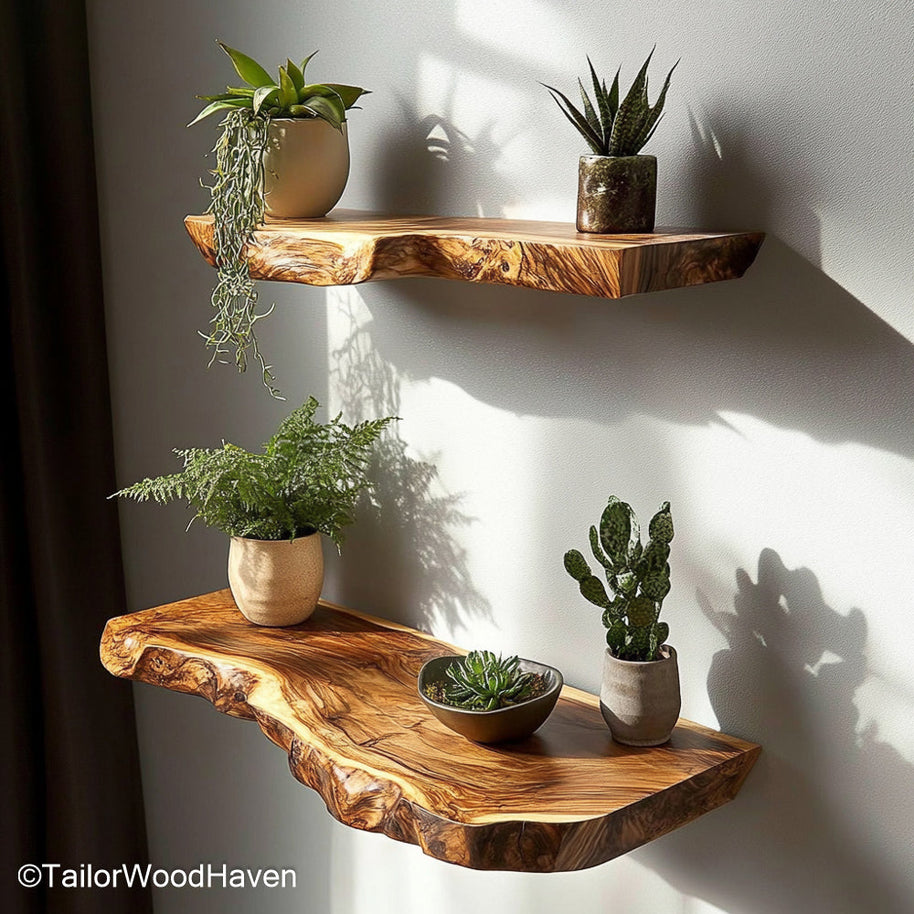
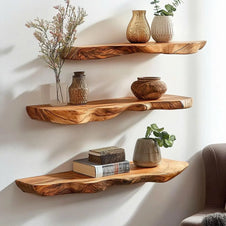
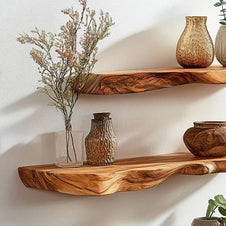
Made from real wood with raw, natural contours, this shelf is ideal for adding an organic, nature-inspired element to kitchens or minimalist walls.
The application of floating shelves has become increasingly specialized, moving far beyond their original use as simple decorative ledges.
Understanding these specific uses helps determine are floating shelves in style for your project.
In the kitchen, open floating shelves remain dominant, replacing bulky upper cabinets to create an airier, more spacious feel.
Trend Update:
In 2025, the trend is moving away from purely decorative kitchen shelves toward functional, integrated zones.
Shelves are used to display everyday items like mixing bowls, attractive glassware, and coffee station essentials, rather than dust-collecting figurines.
This shift toward functionality is strong evidence that are floating shelves in style for practical, everyday use.
Material Focus:
Wood is still popular, but designers are frequently utilizing glass, metal, or stone to match high-end countertops or backsplashes, demonstrating that the design is adaptable to luxury and contemporary kitchen aesthetics.
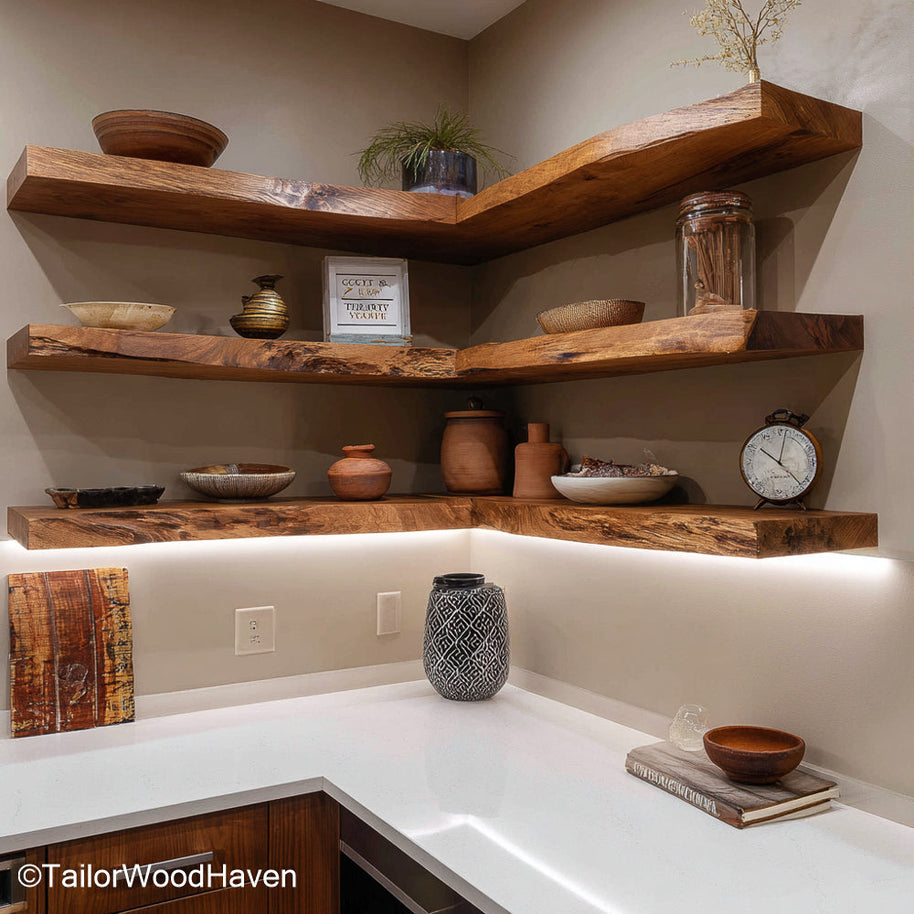
This shelf maximizes small corner spaces with a soft live edge and smart right-angle design, perfect for earthy or rustic interiors.
Floating shelves are perfect for bathrooms because they offer vertical storage without impeding the small floor space.
Application:
They are used to hold neatly folded towels, small plants, and essential toiletries.
Material Focus:
Materials must be moisture-resistant. Teak, treated walnut, or marine-grade plywood are common.
The question are floating shelves in style for bathrooms is definitively yes, as they enhance the desirable "spa-like" environment.
Bedroom:
Floating shelves serve as minimalist nightstands, often just large enough for a phone and a small lamp. This frees up floor space, which is critical in compact bedrooms.
Entryway:
Here, they function as 'drop zones' for keys, mail, and wallets. They are frequently paired with hooks underneath for coats and bags.
The clean, off-the-floor look maintains an uncluttered first impression of the home, proving that there are floating shelves in style for high-traffic transition areas where clutter quickly accumulates.
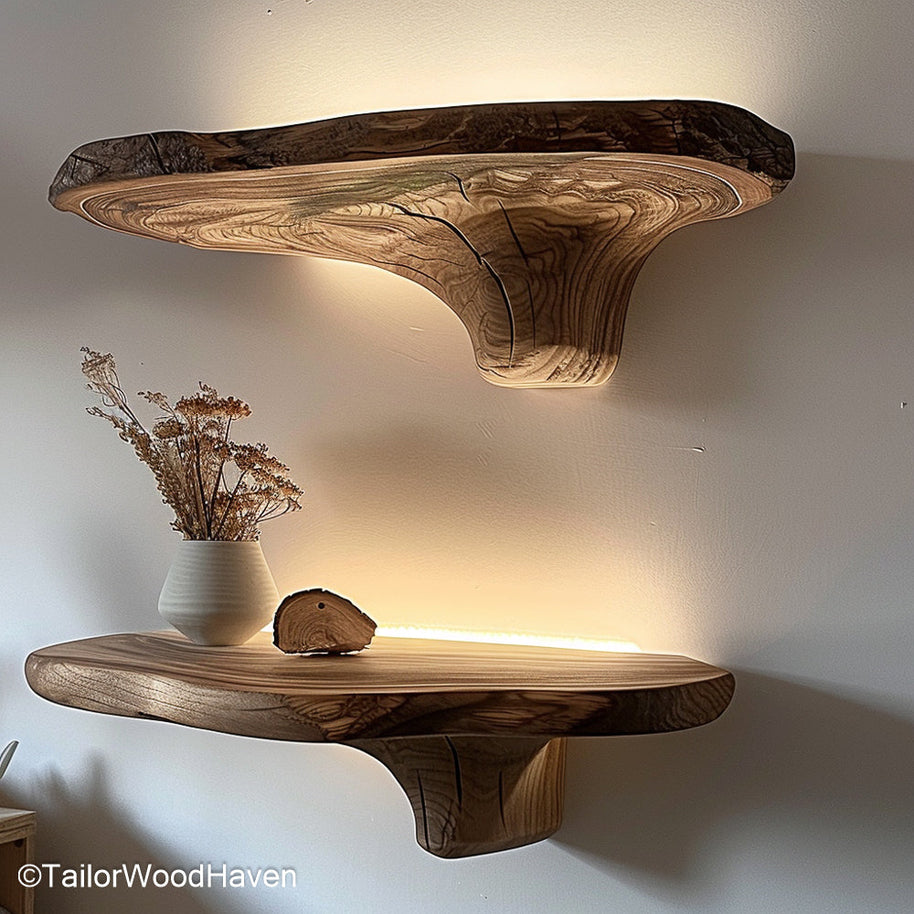
Crafted from salvaged timber with a weathered texture, these shelves bring authentic rustic, vintage, or farmhouse character to any room.
The difference between a cheap-looking shelf and a high-end architectural feature often comes down to installation and styling.
This is crucial for anyone wondering are floating shelves in style when installed by amateurs. A rushed or sloppy installation can ruin the entire aesthetic, making a sleek fixture look clumsy.
A crooked floating shelf immediately cheapens the entire room and nullifies the minimalist appeal.
Tool Usage:
Precision is paramount. Always use a high-quality electronic or laser level during installation, not a small pocket level. Mark your mounting points carefully and check them twice before drilling.
Anchor Point:
The mounting bracket must be secured to solid studs wherever possible. This structural connection is non-negotiable for stability and load-bearing capacity.
Even if the wall looks straight, tiny variations in the wall surface or bracket alignment will be noticeable once the shelf is in place.
Precision installation ensures are floating shelves in style by looking professional and perfectly integrated into the wall.
Wall damage typically occurs when shelves are overloaded or poorly anchored, leading to cracks around the mounting plate.
To keep the look polished and long-lasting and ensure are floating shelves in style throughout the shelf’s lifetime:
Know Your Limit:
Never place heavy items on shelves mounted only with basic drywall anchors.
Always use robust fasteners like toggle bolts if studs aren't available, but remember the weight limit is still significantly lower. Overloading will inevitably lead to stress cracks.
Protect the Drywall:
For extra security, some professional installers place a thin layer of construction adhesive behind the metal wall plate of the bracket before screwing it in.
This minimizes flexing and movement, which is the main cause of paint cracking around the edges.
A polished installation requires not only a level surface but also a strong connection that guarantees the shelf stays flush against the wall for years, affirming that they are floating shelves in style when done right.
The debate over style versus function always returns to the critical question of strength. A floating shelf that sags or wobbles is an instant design failure, and a failed fixture is definitely not in style.
In modern design, functional storage is highly prioritized over purely decorative pieces. Therefore, a shelf’s strength is no longer just a practical requirement; it’s an intrinsic part of its aesthetic value.
A well-designed shelf that can confidently hold 50 pounds of dishes is inherently considered a "better" design than a flimsy one that holds only 5 pounds, regardless of its appearance.
This shift means manufacturers are prioritizing robustness, reinforcing the confidence that are floating shelves in style for the long term. The current aesthetic demands a "visually light but structurally heavy" approach.
To meet the practical demands of daily use, modern floating shelves must meet higher material standards:
Material Matters:
The current standard requires choosing solid wood shelves (like oak or maple) paired with robust, high-gauge steel brackets.
These brackets must be expertly engineered to resist the massive leverage (torque) that heavy objects exert.
Avoid:
Steer clear of the cheap, hollow MDF shelves popular in the early 2010s, as they quickly succumb to moisture or weight, causing homeowners to question their utility.
This commitment to durable construction ensures that are floating shelves in style because they can seamlessly transition from niche display pieces to essential storage fixtures in high-use areas like kitchens and living rooms.
When evaluating a purchase, always check the listed weight capacity and bracket thickness first, as structural integrity is the key to maintaining the polished look that determines are floating shelves in style.
The ideal dimensions for floating shelves have become slightly more utilitarian in 2025, reflecting a focus on practical storage that aligns with the aesthetic demand.
Getting the depth right is key to confirm that there are floating shelves in style within your room.
Shallow Display Ledge (4-6 inches deep):
These are perfect for minimalist display, holding small art frames, oils, or light décor. They create a clean, subtle line of texture or color without functionally taking up much space.
Use these near doorways, windows, or hallways where depth is limited but visual interest is required.
Functional Storage (10-12 inches deep):
This depth is required for standard dinner plates, folded clothes, or paperback books. If you need the shelf for actual, daily storage (especially in a kitchen or home office), do not compromise on the depth.
A shelf that is too shallow for its items will look cluttered and defeat the entire purpose of minimalist design.
For example, standard hardcover books often require 9.5 inches of usable depth, making 10-inch deep shelving the minimum practical choice.
Choosing the right dimensions ensures the functionality matches the form, which is why there are floating shelves in style for any practical application.
So, are floating shelves in style? The answer is an undeniable yes, but with an important caveat: the trend has matured.
They are no longer a mere decorative fad but a highly functional, customizable architectural tool.
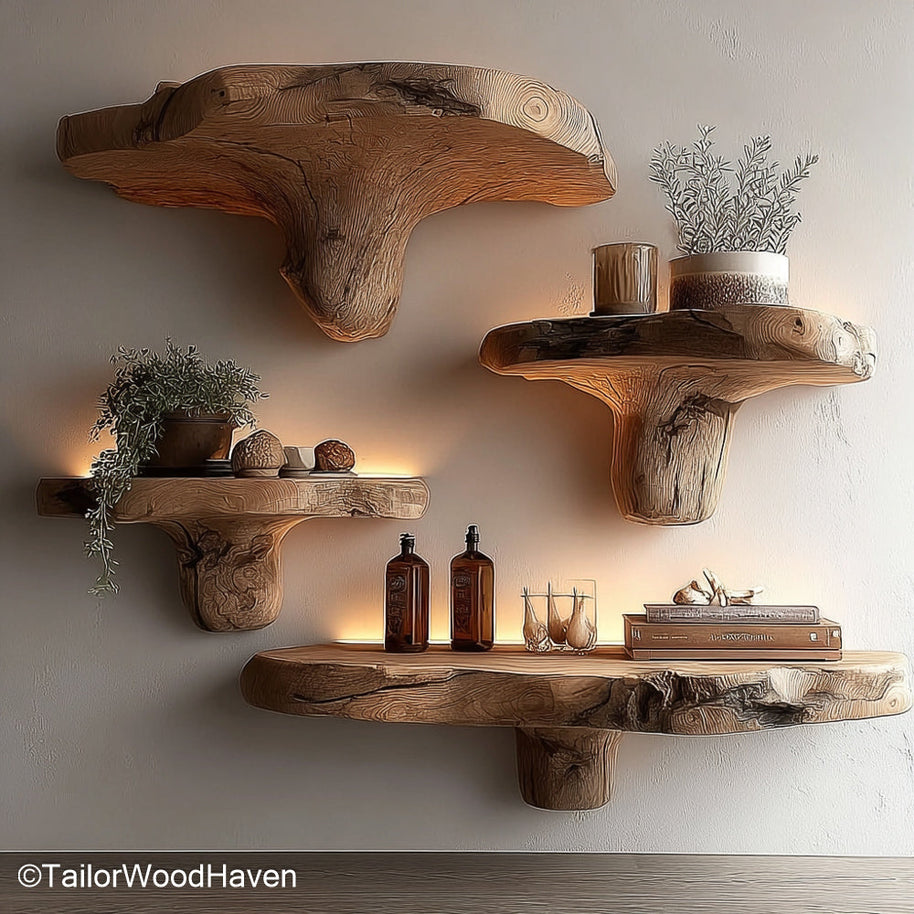
Featuring a waterproof finish and compact design, these shelves are perfectly sized for organizing small toiletries, towels, and bathroom essentials.
Success in 2025 requires using superior materials, ensuring professional, secure installation, and applying them strategically to solve genuine storage needs.


