Are your floating shelves starting to sag or wobble, even though they look beautifully bracket-free? You’re not alone. Many homeowners love the clean design of invisible shelving, but few know what to do when it loosens over time.
In this guide, we’ll show you how to fix floating shelves without brackets using simple, affordable tools and tricks - so you can enjoy that smooth, modern look without any stress or clutter.
Why Floating Shelves Without Brackets Become Unstable
It’s easy to fall in love with the clean, bracket-free look of floating shelves - but over time, you might notice a slight sag or wobble. Before learning how to fix floating shelves without brackets, it’s important to understand why this happens in the first place.
Most commonly, the issue comes down to poor wall anchoring or low-quality hidden mounts that can’t bear the shelf’s weight. When the internal rods or supports loosen, gravity takes over, causing your shelf to tilt or droop.
Understanding these causes will make your repair much easier. Once you know how to fix floating shelves without brackets, you can prevent future issues by choosing stronger anchors, ensuring precise alignment, and not overloading the shelf.
Step-by-Step Guide: How to Fix Floating Shelves Without Brackets
Now that you understand why your shelf is unstable, let’s walk through how to fix floating shelves without brackets the right way. This step-by-step guide will help you make your shelves look brand new - strong, straight, and secure again.
Step 1: Check and Reinforce the Wall Anchors
Start by carefully lifting your shelf off its hidden mounts. As you begin how to fix floating shelves without brackets, check whether the internal rods or wall anchors are loose or damaged.
Pro tip: Use a small amount of construction adhesive on the screw threads before tightening them. It keeps the anchors solidly in place even under heavier loads.
Step 2: Tighten or Repair the Shelf Holes
If your shelf relies on basic plastic plugs, replace them with heavy-duty metal or toggle anchors. This simple swap is one of the easiest ways in how to fix floating shelves without brackets that wobble or tilt due to weak supports.
To fix this:
-
Drip a little wood glue into each hole.
-
Insert a small wooden dowel or toothpick piece.
-
Let it dry for at least 30 minutes.
-
Slide the shelf back onto the rods.
This small trick instantly tightens the fit and prevents your floating shelves from slipping again.
Step 3: Reinstall and Level the Shelf
Over time, screw holes in drywall can expand, causing the rods to shift. Fill those holes with wood filler or wall putty, then let them dry completely before re-drilling. When learning how to fix floating shelves without brackets, precision is everything - use a level to ensure perfect alignment.
Step 4: Add Hidden Reinforcements (Optional)
Insert the new rods into the reinforced anchors and tighten them firmly. This step ensures the internal supports are solid enough to carry your shelf’s weight. If you’re exploring how to fix floating shelves without brackets made from solid wood, check that the rods fit tightly inside the drilled channels.
Once you’ve fixed your shelves, you might start thinking about upgrading your space with new designs. Let’s explore how to install floating shelves properly - so you don’t have to deal with sagging again.
How to Install Floating Shelves Without Visible Brackets
If you’re starting fresh or upgrading your space, learning how to fix floating shelves without brackets also teaches you valuable techniques for installing new ones seamlessly. These methods not only improve stability but also create that sleek, “floating” aesthetic everyone loves.
Step 1: Pick the Right Floating Shelf Design
Before you start drilling, grab a level and pencil. Accurate measurements are key to avoiding crooked shelves later. When planning how to fix floating shelves without brackets, precise alignment also helps prevent sagging after installation.
Check out 24” Floating Shelves in Compact Size - perfect for tight spaces or minimalist décor. They’re light yet stable, ideal for renters or small rooms.
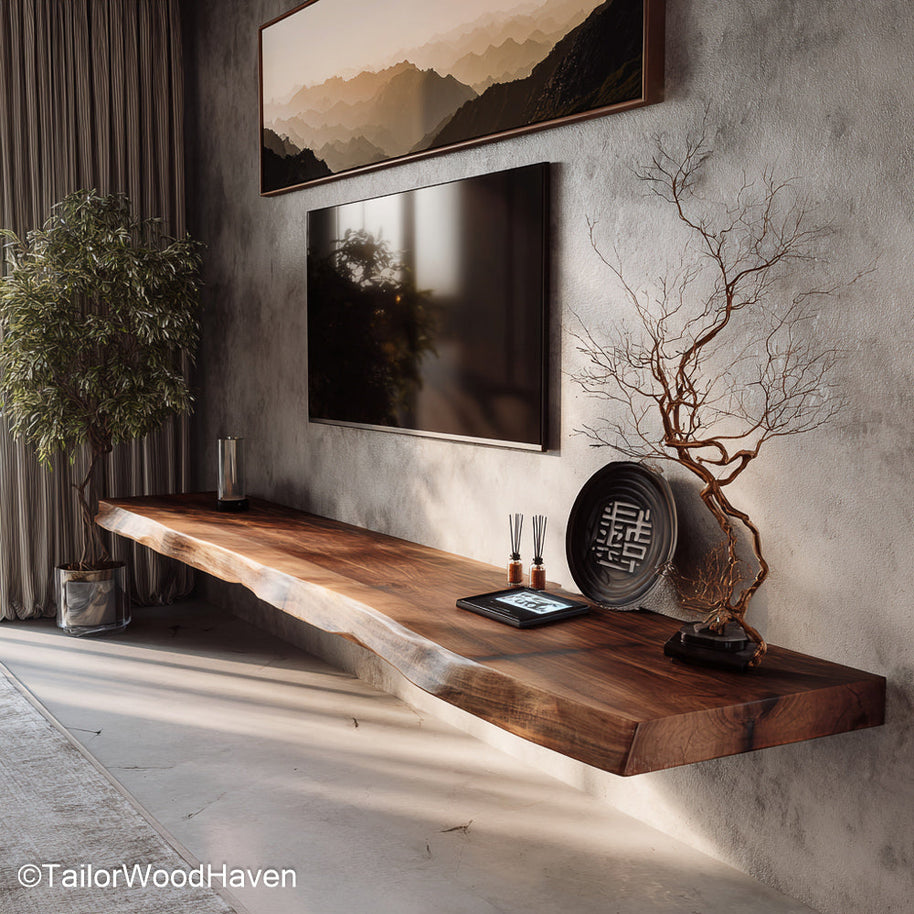
Both are bracket-free and easy to install - perfect for anyone who loves the no-hardware look.
Step 2: Find Wall Studs or Use Strong Anchors
Hidden brackets or rods are the secret behind a clean floating design. Even if your focus is how to fix floating shelves without brackets, you’ll notice that choosing durable metal supports is just as crucial during installation. Always pick hardware rated for your shelf’s weight capacity.
For a bolder look, go for Black Shelves Floating Design in Matte Finish. Their clean lines and hidden mounting make them a favorite for modern kitchens and offices.
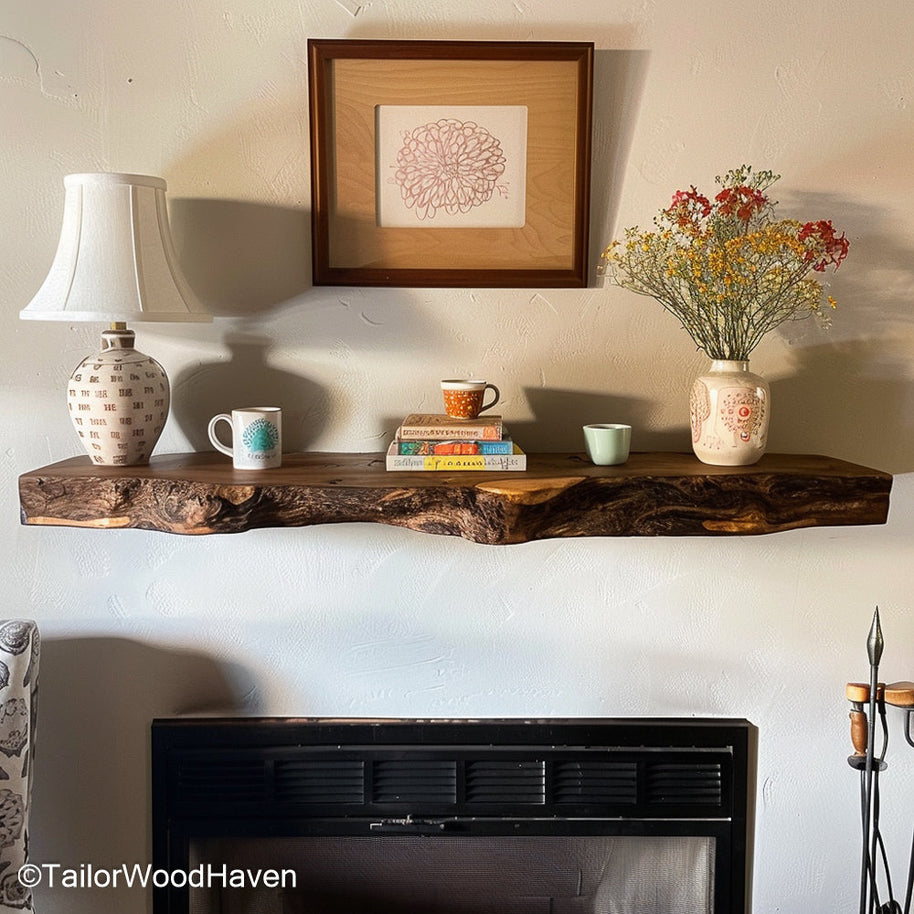
For more insight on invisible fasteners, this helpful thread from DIY Stack Exchange explains how professionals achieve that clean, floating effect.
Step 3: Mount the Hidden Frame
Use a drill bit slightly smaller than your mounting rods. Slide the rods into place and tighten them until they feel secure. If you ever need how to fix floating shelves without brackets advice later, remember this step - loose rods are the number one cause of instability.
Customer tip: If you want to display heavier décor or books, try Big Floating Shelves with Oversized Depth. Their deep design and thick build make them strong enough for even your largest frames or plants.
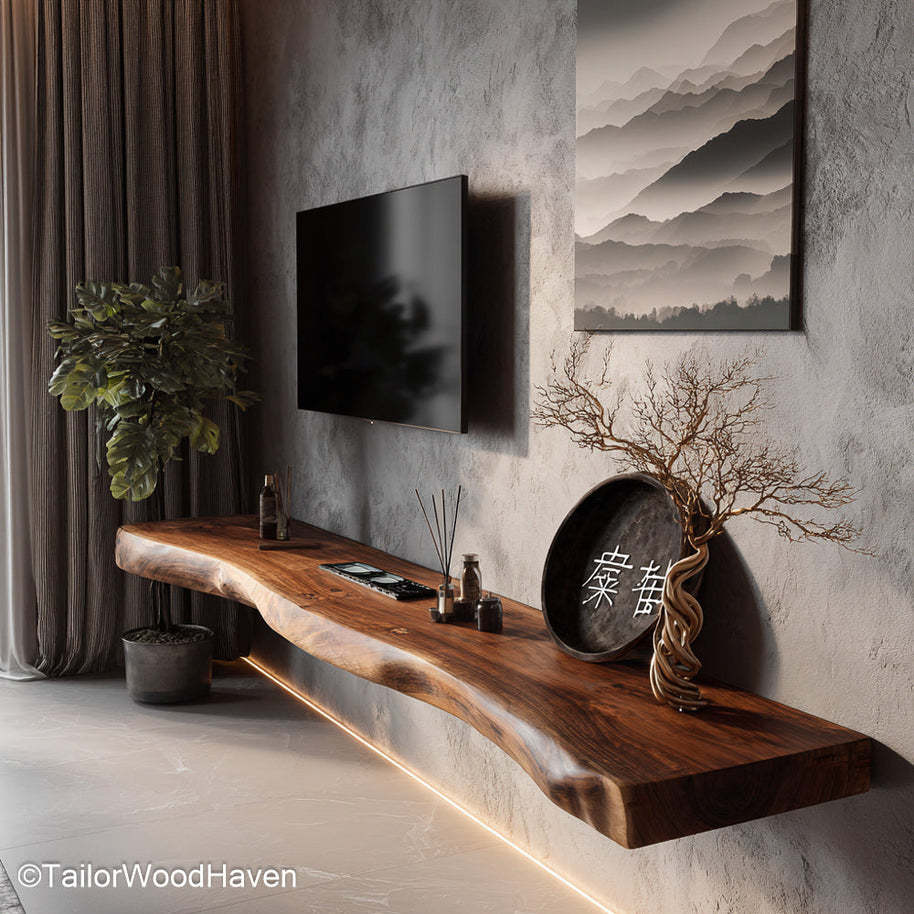
Step 4: Secure the Shelf and Finish the Look
Gently slide your shelf onto the rods and ensure it’s level. The process feels almost identical to how to fix floating shelves without brackets, but this time, you’re installing instead of repairing. Always double-check that the shelf sits flush with the wall before adding weight.
If you’re renting and can’t drill into walls, don’t worry - there are clever no-drill options. Check out My Repurposed Life for ideas on how to create stable shelving systems using adhesives and tension rods.
By following these steps, you’ll have a perfect floating setup - no visible brackets, no clutter, and zero stress.
Even after you’ve mastered how to fix floating shelves without brackets, a few extra maintenance tips can keep your shelves sturdy for years. Always use a level when decorating, distribute weight evenly, and avoid overloading one side with heavy items.
-
Distribute weight evenly: Avoid putting all heavy objects on one side.
-
Tighten annually: Check screws or anchors once a year to prevent loosening.
-
Protect from moisture: Wood can expand if exposed to humidity - especially near kitchens or bathrooms.
-
Clean gently: A soft microfiber cloth is all you need. Harsh sprays can damage the finish.
And if you want the most durable option available, upgrade to Solid Wood Floating Shelves. Crafted from premium hardwood, they combine strength, elegance, and true invisible mounting - perfect for upscale interiors.
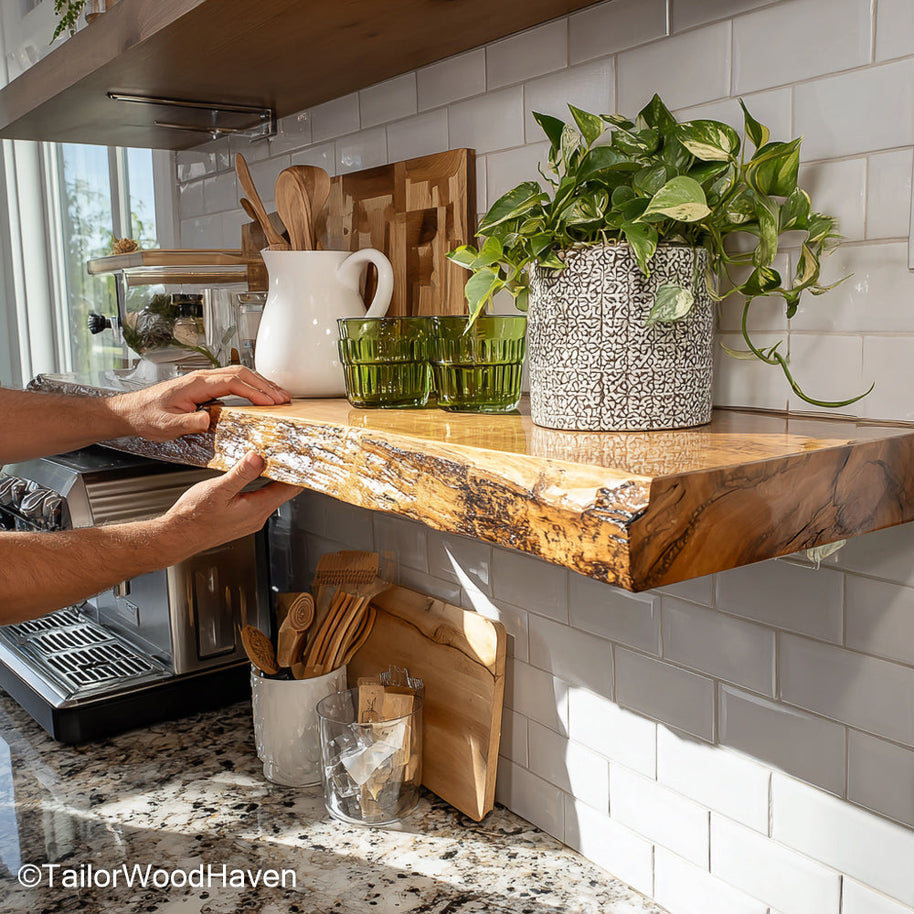
Common Mistakes When Fixing or Installing Floating Shelves
Even if you’ve read dozens of guides on how to fix floating shelves without brackets, it’s easy to overlook small details that cause big problems later.
-
Using weak anchors: Plastic anchors can’t handle much weight - always switch to metal or toggle types.
-
Skipping the level check: Even a slight tilt can ruin that clean line.
-
Drilling too wide: Loose holes reduce grip; go slightly smaller instead.
-
Overloading: Always check the product’s weight capacity before styling.
-
Ignoring wall type: Drywall, plaster, and brick all require different screws and anchors.
Avoiding these mistakes helps you keep your shelves secure for years - and saves you from having to fix them again.
Why Fixing Floating Shelves Without Brackets Is Worth It
Repairing your shelves instead of replacing them saves money, keeps your walls clean, and extends the life of your furniture. Plus, it’s satisfying to know you can handle it yourself.
By learning how to fix floating shelves without brackets, you’re also understanding how to prevent future issues - and how to install new shelves that stay sturdy from day one.
The next time you spot a sagging edge or shaky mount, you’ll know exactly what to do - and your home will thank you for it.
Quick Recap
Here’s what you’ve learned today:
-
How to inspect and reinforce shelf anchors.
-
How to tighten the shelf holes for a snug fit.
-
How to reinstall or replace floating shelves the right way.
-
How to maintain strength and style long-term.
So go ahead - grab your tools, make a coffee, and get your hands busy. With these DIY steps, your walls will look polished and professional again.
1. Can I fix a floating shelf without removing it from the wall?
In some cases, yes! If your shelf is only slightly loose, you can reinforce it using construction adhesive or inject epoxy around the mounting rods.
2. How much weight can floating shelves without brackets hold?
That depends on your wall type and mounting method. A properly installed floating shelf with solid anchors can hold between 30 and 70 pounds.
3. What’s the best way to prevent my floating shelves from sagging again?
Distribute weight evenly, tighten anchors every few months, and avoid placing heavy objects near the edge. You can also use hidden reinforcements - like short metal brackets or glue reinforcement - to add extra stability without affecting the shelf’s appearance.
Final Thoughts
Now that you know how to fix floating shelves without brackets, you can repair, reinstall, or upgrade your shelves confidently. Whether it’s adding hidden reinforcements or installing brand-new floating shelves, you’re just a few easy steps away from walls that look perfectly put together - no brackets required.
 Skip to content


 Farmhouse Floating Shelves – Perfect handcrafted furniture
 Farmhouse Narrow Console Table with Storage for Entryway or Living Room
 Custom Rustic Console – Natural Wood, Made to Order


