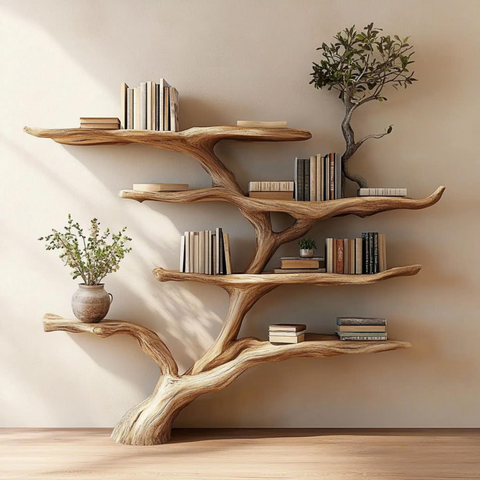
Looking for the right tree bookshelf dimensions? Learn how to measure for DIY, fit your wall, and match storage needs in this detailed size guide.
Why Tree Bookshelf Dimensions Matter
A tree bookshelf isn’t just another shelf—it’s a visual statement. Whether you’re crafting your own or buying one online, getting the tree bookshelf dimensions right is essential. The shape is unconventional, the layout is artistic, and its role is both functional and decorative.
That’s why understanding tree bookshelf dimensions means more than height and width—you need to consider space, depth, and proportion.
This guide will help you:
-
Sketch the right tree bookshelf dimensions for DIY builds
-
Assess whether a product fits your wall using tree bookshelf dimensions
-
Choose the right size to match your interior layout
-
Compare models by tree bookshelf dimensions, capacity, and shelf arrangement
Tree bookshelves are conversation starters. But poorly sized ones can dominate or disappear into a space. Let's dive deeper.
And remember: your tree bookshelf should not only function well but also bring out the best in the atmosphere it lives in. Dimensions are the bridge between style and utility. That’s why tree bookshelf dimensions should never be an afterthought.
Standard Tree Bookshelf Dimensions (Reference Range)
Tree-style bookshelves come in a wide range, but here are average tree bookshelf dimensions:
|
Size Category
|
Height
|
Width
|
Depth
|
Ideal Use Case
|
|
Compact
|
47–55 in
|
20–28 in
|
7–10 in
|
Small bedrooms, reading corners
|
|
Medium
|
60–70 in
|
24–32 in
|
8–11 in
|
Living rooms, home offices
|
|
Large
|
72–80+ in
|
28–36+ in
|
10–14 in
|
Statement piece, large storage needs
|
Knowing these tree bookshelf dimensions gives you a baseline when reading product listings or starting your own build. Also keep in mind: the irregular shape makes it crucial to measure the "extreme" points - tallest and widest extensions of the shelf. Always confirm these tree bookshelf dimensions before any wall-mount or carpentry step.
If you’re working with a sloped ceiling or uneven flooring, custom adjustments may be necessary to maintain a balanced look and stable base. For renters, a wall-leaning version with adjustable feet may be preferable - especially when you need flexible placement without permanent drilling. But even these must follow proper tree bookshelf dimensions.

Explore our standard-length tree bookshelves for a well-proportioned fit in any space.
For DIY: Plan Your Tree Shelf Like a Pro
If you're building one yourself, tree bookshelf dimensions start with a sketch. Think of these tips:
-
Set your height goal first. Most people choose between 60 and 72 inches to keep it accessible.
-
Branch width matters. Each 'branch' or shelf arm should span 6–12 inches for books or decor.
-
Depth affects balance. 8–10 inches is ideal for most storage without overhanging.
-
Angle of branches: 45° or staggered symmetry keeps visual flow without making it too bulky.
Also account for base width—a stable tree bookshelf has a 14–16 inch wide base to prevent tipping. Wider branches should have stronger joinery or hidden brackets. These are crucial aspects of accurate tree bookshelf dimensions.
Mock it up with painter's tape on the wall or cardboard cutouts to test space. Always adjust tree bookshelf dimensions based on your wall height and nearby furniture. Factor in leg height or baseboard clearance too—your shelf might sit taller than expected.
If you're advanced, use a 3D sketching tool like SketchUp to model the layout before cutting any wood. These digital tools help verify tree bookshelf dimensions down to the inch. And don't forget accessibility: if you're making this for a child’s room, scale down the full height, or place lower branches that are reachable for little hands. Kid-friendly tree bookshelf dimensions should prioritize safety and proportion.
Lastly, ensure structural integrity by choosing the right materials. Birch plywood, pine, and oak are all excellent for DIY shelving. Use pocket-hole screws and wood glue for long-lasting durability.
 Browse tree bookshelf models crafted with shelf dimensions that meet interior design standards.
Buying Online? Read Dimensions Carefully
Online images can be misleading. Here’s what to look for when checking tree bookshelf dimensions:
-
Total Height: Will it block windows, light switches, or artwork?
-
Total Width: Leave at least 3–6 inches of space on each side for visual comfort.
-
Shelf Depth: Deep enough to hold standard books (7–9 inches)?
-
Footprint: Some tree bookshelves have bases wider than the top.
Also measure your baseboards or wall trims—these often add hidden bulk. If your wall is 80 inches tall but there's crown molding or a sloped ceiling, a 72-inch shelf may not fit as expected. Always compare these numbers to the listed tree bookshelf dimensions.
Weight also matters. Lightweight shelves (MDF or plywood) may warp if overloaded. Check load capacity for each branch. Before buying, also review customer images and feedback for size expectations versus real-life fit. Photos of the unit in various settings often reveal scaling surprises that product specs may not.
If you're placing the bookshelf in a high-traffic area, opt for rounded edges and solid bases to prevent tipping. Wall anchors are highly recommended—especially for taller tree bookshelf dimensions.
Interior Decor: Choosing a Size That Fits the Room
Size affects harmony. A tree bookshelf that's too tall can make a room feel cramped, too small and it disappears into the background.
Use these tips:
-
Room Size: For a wall under 8 feet tall, choose bookshelves no taller than 70 inches.
-
Furniture Matching: Align the top or mid-height of the shelf with nearby items like cabinets or desks.
-
Layout Balance: Position off-center for visual interest, especially if the shelf has asymmetric 'branches.'
You might even consider pairing two smaller tree shelves instead of one large one to preserve open space. Symmetry doesn’t always mean identical—but the visual weight should feel balanced.
Add vertical artwork or lighting to accentuate tall shelves, or use area rugs to anchor wider shelves. The key is to let your tree bookshelf become part of the room's story. That only works when tree bookshelf dimensions feel “right” visually. Color also plays a role. Dark finishes may look bulkier, while lighter tones visually stretch space. Consider contrast with your wall color to emphasize the tree shape.
If you already have strong vertical elements in your space (e.g. tall plants or drapes), balance them with a tree shelf of equal presence or intentionally asymmetrical layout. All these design choices still orbit one core factor: tree bookshelf dimensions.

How standard shelf dimensions look in action - best-proportioned tree shelves.
Comparing Models: Capacity & Branch Layout
Not all tree bookshelves offer the same storage. Even if two units are 65" tall, the branch spacing and number matter. When comparing:
-
Number of shelves/branches: More layers = more storage, but may look busier.
-
Shelf spacing: Minimum 8" height between branches for paperbacks, 12" for decor.
-
Branch length: Longer arms hold wider books but need sturdier construction.
These details may not appear obvious in photos, but they make or break usability. And they all feed into functional tree bookshelf dimensions.
Also compare:
-
Weight capacity per branch
-
Material (wood, metal, MDF, composite)
-
Back panel vs. open back design
Think beyond aesthetics. If you want the shelf to hold more than a few decorative books, study specs thoroughly. Some models allow for removable branches or adjustable heights—ideal if your collection grows or if you want seasonal styling flexibility.
You can even find modular tree bookshelves—units with customizable segments that snap together or rotate depending on layout preferences. In these cases, tree bookshelf dimensions are dynamic, and flexibility becomes a core value.
How to Measure Your Wall for a Tree Bookshelf
Here's a step-by-step:
-
Measure vertical space: floor to ceiling
-
Check for obstacles: switches, vents, sills
-
Measure horizontal width: include space on sides
-
Mark potential height and width on wall with painter's tape
-
Step back and visualize proportions
You’ll instantly know whether a 63-inch or 72-inch height works better—sometimes 5 inches makes a big difference. You can also photograph the space and digitally overlay shelf sizes using AR tools or basic editing apps. These help visualize tree bookshelf dimensions before committing.
Always consider eye level—placing the visual center of the bookshelf around 57–60 inches from the floor (standard gallery height) often feels best. If your wall space is limited, consider placing the bookshelf diagonally in a corner. Corner tree bookshelves are less common but just as stunning. Just be sure to confirm the altered tree bookshelf dimensions still make sense in your layout.

These tree shelf designs follow classic length ratios for balance and style.
-
Only checking height but ignoring width and depth
-
Forgetting to leave breathing room around the shelf
-
Choosing form over function (looks great but holds little)
-
Underestimating how visual weight impacts the room
-
Buying a large shelf without checking doorway clearance (can it fit through?)
Getting tree bookshelf dimensions right means balancing creativity with practicality. Don’t forget vertical wall outlets, heater vents, or ceiling fans. These all interfere with shelf placement.
If you’re unsure about fit, mock up a cardboard model to test traffic flow and space visibility before committing to installation. Accurate mockups help you refine final tree bookshelf dimensions.
Bonus Tip: Scaling Tree Shelves for Kids vs. Adults
Tree shelves aren't just for adults. Many children’s rooms feature mini tree bookshelves. Here's how their dimensions differ:
-
Height: 36–48 inches
-
Depth: 8 inches max (safety first)
-
Branch spacing: Closer together for small books and toys
-
Mounting: Consider wall-mount or anchored bases to prevent tipping
Use rounded corners and low-VOC paint if building from scratch. And always prioritize reachability. If your child is growing fast, leave room at the top to extend or stack. Or use the top shelf for parental items and display.
You can even create interactive versions with chalkboard-painted branches or magnetic panels—combining utility with fun. Just make sure tree bookshelf dimensions still prioritize stability and space efficiency.
 Skip to content


 Farmhouse Floating Shelves – Perfect handcrafted furniture
 Farmhouse Narrow Console Table with Storage for Entryway or Living Room
 Custom Rustic Console – Natural Wood, Made to Order