 Skip to content
Your cart (0)
Your cart is empty
Tax included and shipping calculated at checkout
Recommended products

Drawer menu
Tax included and shipping calculated at checkout
Your wishlist is empty.
Continue shopping

Choosing the right bookcase is not only about how many books you need to store. Different types of bookcases vary in size, structure, placement, and visual style, so the right option depends on your available space and how you plan to use it. From simple freestanding units to built-ins, floating shelves, and custom-made designs, understanding the differences can make it easier to choose a bookcase that works for your home.
The different types of bookcases available today range from practical storage units to decorative furniture pieces that can become a focal point in a room. Some are designed to maximize vertical space, while others work better in small rooms, corners, or open-plan interiors. The 20 types of bookshelves below cover common structures, storage features, and design styles.
A freestanding bookcase is one of the most versatile options because it can be placed almost anywhere without being permanently attached to the wall. It typically consists of vertical sides, horizontal shelves, and a back panel, although some designs are completely open.
This type works well in living rooms, bedrooms, home offices, and hallways. It is also a practical choice for renters or anyone who may want to move furniture around over time.

A freestanding bookcase is one of the most versatile options
A built-in bookcase is designed to fit directly into a specific wall or architectural feature. Unlike freestanding furniture, it becomes part of the room and can make use of spaces that standard bookcases cannot easily fill.
Built-ins are particularly useful for full-wall libraries, alcoves, spaces around fireplaces, and shelving around windows or doors. They can also combine open shelves with cabinets and drawers for a more complete storage solution.

A built-in bookcase is designed to fit directly into a specific wall
>>> See more: Built-in Bookshelves For Home Library: How to Design A Space That Works
A wall-mounted bookcase attaches directly to the wall rather than standing on the floor. This design keeps the floor underneath clear and can make a small room feel more open.
Wall-mounted bookcases work well above desks, beside beds, in narrow hallways, or anywhere floor space is limited. Make sure the wall and mounting hardware can support the weight of the books and shelving.

Wall-mounted bookcase can make the room feel wider
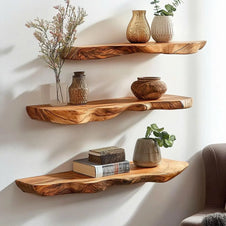
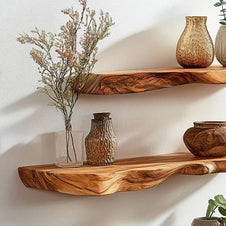
A floating bookshelf is a minimalist variation of wall-mounted shelving that usually hides its brackets or support system. Without visible legs or heavy framing, it creates a clean and lightweight appearance.
Floating shelves are ideal for displaying a smaller book collection, artwork, plants, and decorative objects. They can also be installed in groups to create a custom arrangement on an otherwise empty wall.

Floating bookshelf creates a clean and lightweight appearance
A floor-to-ceiling bookcase uses the vertical height of the room to provide maximum storage. It can cover an entire wall or be combined with other furniture to create a large home library.
This design works especially well in rooms with high ceilings. Because it has a strong visual presence, organizing books and leaving some open space between displays can help prevent the wall from feeling overcrowded.

Create a large home library with floor-to-ceiling bookcase
A ladder bookcase has shelves that gradually become wider toward the bottom, creating a silhouette similar to a leaning ladder. Its open structure gives it a lighter appearance than many traditional bookcases.
It is a useful choice for bedrooms, home offices, and small living rooms where a large storage unit may feel too bulky. The upper shelves are generally better suited to lighter books or decorative objects that are not accessed frequently.

Ladder bookcase gives your house a lighter appearance
A corner bookcase is specifically designed to fit into the corner of a room. It makes use of an area that can otherwise be difficult to furnish effectively.
Corner bookcases are suitable for small bedrooms, living rooms, home offices, and reading areas. A tall corner unit can also add vertical storage without taking up much floor space.

Corner bookcase is the best shape for small bedrooms
A cube bookcase is made up of square or rectangular compartments arranged in a grid. Its simple structure makes it easy to use for both books and other household items.
You can organize each compartment by book type, color, or function, while some sections can hold baskets, boxes, plants, or decorative objects. Cube designs are especially practical for modern and casual interiors.

Cube bookcase is easy for organize
A barrister bookcase is a traditional style originally associated with storing legal books and documents. It typically features several individual sections with glass-fronted doors that can open or slide upward.
The enclosed design helps protect books from dust while keeping them visible. Today, barrister bookcases can work as both functional storage and a distinctive vintage-inspired furniture piece.

The barrister bookcase brings a traditional vibe
>>> See more: Bookshelves Behind Sofa: 15+ Smart Ideas for a More Functional Living Room
A modular bookcase consists of separate components that can be combined, rearranged, or expanded according to your needs. Instead of relying on one fixed structure, you can create a configuration that fits your room.
This flexibility makes modular shelving useful when storage requirements may change over time. It can also work well in apartments, home offices, and multipurpose rooms where furniture needs to adapt to different layouts.

Modular bookcase
A low bookcase is shorter than a standard vertical bookcase and typically emphasizes horizontal storage. It can be placed underneath windows, along the back of a sofa, below artwork, or underneath a wall-mounted TV.
Because it does not dominate the wall, a low bookcase can make a room feel more open. The top surface can also double as a display area for artwork, plants, lamps, and other decorative pieces.

A low bookcase makes room feel more open
A tall bookcase maximizes vertical storage while using relatively little floor space. It is particularly useful when you have a large book collection but limited room for wider furniture.
Tall bookcases work well in home libraries, offices, bedrooms, and living rooms. For taller units, stability is important, so consider securing the bookcase to the wall, especially in households with children or pets.

Tall bookcase is useful for book collection
An etagere bookcase is an open shelving unit with a more decorative, furniture-like appearance. Unlike traditional bookcases with solid sides and a back panel, etagere designs often use an exposed frame.
The open structure makes the piece feel visually light and allows decorative objects to be displayed from multiple angles. It can work particularly well in contemporary, minimalist, and transitional interiors.

Etagere designs often use an exposed frame
A bookcase with doors combines open shelving with enclosed storage. Depending on the design, the doors may cover the entire unit or only selected compartments.
This style is useful when you want to keep some books and objects visible while protecting others from dust or hiding everyday clutter. Glass doors can provide visibility, while solid doors create a cleaner and more concealed appearance.

Bookcase with doors
A bookcase with drawers adds concealed storage to conventional open shelving. The drawers can hold smaller items such as stationery, remote controls, documents, or personal belongings that might otherwise clutter the shelves.
This combination is particularly practical for home offices and living rooms. Place frequently used items in accessible drawers and reserve the open shelves for books and decorative objects.

Bookcase with drawers
A room divider bookcase is designed to separate two areas while allowing light and visibility to pass through. Instead of being positioned against a wall, it stands between spaces.
Open shelves are especially effective for this purpose because they create a sense of separation without completely closing off the room. They can work between a living room and dining area, bedroom and workspace, or different zones in a studio apartment.

A room divider bookcase is designed to separate two areas
An asymmetrical bookcase uses shelves or compartments with different shapes, sizes, and positions instead of a regular grid. This creates a more dynamic and contemporary appearance.
Asymmetrical designs can function as both storage and a decorative focal point. The key is to maintain visual balance by combining larger sections with smaller compartments and leaving enough negative space.

Asymmetrical bookcase
A tree-shaped bookcase takes inspiration from the branching structure of a tree. Instead of conventional horizontal rows, its shelves extend outward like branches from a central form.
This is one of the more distinctive bookcase styles and works particularly well when you want furniture to become part of the room's visual identity. It can be used to display books alongside small sculptures, plants, artwork, and other decorative objects.

A tree-shaped bookcase takes inspiration from the branching structure of a tree
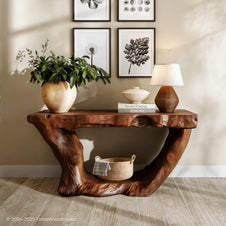
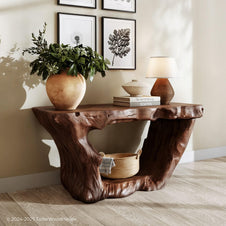
A natural wood bookcase uses the grain, color, and texture of real wood as an important part of its design. Because every piece of natural wood has its own grain characteristics, these bookcases can have a warmer and more individual appearance than uniform manufactured surfaces.
Natural wood works across many interiors, from minimalist and contemporary rooms to rustic and organic spaces. The finish can be kept subtle to highlight the material or adjusted to complement the rest of the room.

Natural wood bookcase
A custom-made bookcase is designed specifically around your space, storage needs, and preferred aesthetic. Instead of choosing from predetermined dimensions, you can have details such as size, shape, wood, finish, and shelf configuration tailored to the room.
This can be particularly valuable when working with unusual wall dimensions, awkward corners, architectural features, or a large collection with specific storage requirements. Tailor Wood Haven can help customize the size, shape, wood, and finish of a handcrafted bookcase to suit your space and personal style.

A custom-made bookcase is designed specifically around your space
The freestanding bookcase is one of the most common types because it is versatile, easy to place, and available in many sizes and styles. It can be moved between rooms and does not require permanent installation.
A bookcase generally refers to a complete furniture unit with multiple shelves, while a bookshelf can refer to either a shelving unit or an individual shelf used for storing books. In everyday use, the two terms are often used interchangeably.
For example, a freestanding unit with several levels is commonly called a bookcase, while a single floating shelf is more often called a bookshelf.
Wall-mounted, floating, corner, and low bookcases are often good choices for small rooms because they can provide storage without taking up excessive floor space. Tall bookcases can also work when the room has limited floor area but sufficient ceiling height.
The best option depends on what you need to store and where the available space is located. Measuring the wall and floor area first can help narrow down the right size.

Best bookcase for small room
Floor-to-ceiling and wall-to-wall bookcases generally offer the most storage because they use more of the available wall area. A combination of tall shelving, appropriate shelf depth, and multiple compartments can accommodate a substantial book collection.
For very large collections, a full-wall or custom-made bookcase can provide more efficient storage than several small units.
The many types of bookcases available today make it possible to find a solution for almost any room and storage requirement. Freestanding and modular designs offer flexibility, built-ins maximize available space, while floating, corner, and low bookcases can work well in smaller rooms. More distinctive options, such as asymmetrical, tree-shaped, natural wood, and custom-made bookcases, can also make storage part of the overall interior design.
When choosing between different types of bookcases, consider where the piece will go, what you need to store, how much space you have, and the visual character you want to create. The right bookcase should not only hold your books but also work naturally with the way you live and use the room.


