Rustic vs Mid Century Coffee Table: Which One Should You Choose?
Reading time: 3 mins
Article published at:
Sep 24, 2026
Christina - Interior Designer
An experienced interior designer and co-founder, brings her passion for nature into every project—crafting harmonious spaces that blend natural beauty with refined design
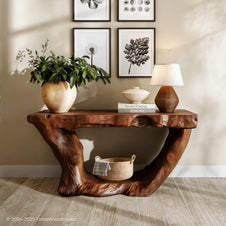
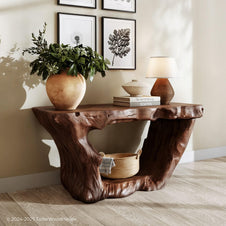
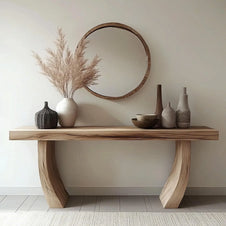
Choosing between a rustic and Mid Century coffee table often comes down to the look and feel you want in your living room. Both styles can work beautifully with wood furniture, but they create very different moods. Rustic tables feel warm, natural, and substantial, while Mid Century designs are cleaner, lighter, and more streamlined.
Understanding the differences can make it easier to choose a coffee table that fits both your existing décor and your personal style.
Rustic vs Mid Century Coffee Table: Key Differences
The biggest difference between these two styles is how they approach shape, materials, and overall visual weight.
Feature
Rustic Coffee Table
Mid Century Coffee Table
Overall look
Warm, natural, and rugged
Clean, simple, and refined
Materials
Solid, reclaimed, or heavily grained wood
Walnut, teak, oak, and mixed materials
Shape
Chunkier and more organic
Streamlined with simple proportions
Legs
Thick wood or sturdy metal bases
Tapered, angled, or slender legs
Wood finish
Natural, distressed, or matte
Smooth and carefully finished
Best for
Farmhouse, cabin, lodge, and rustic rooms
Mid Century Modern, contemporary, and minimalist rooms
A rustic coffee table usually makes the wood itself the focal point. You may see prominent grain, knots, natural edges, or small imperfections that give the piece character.
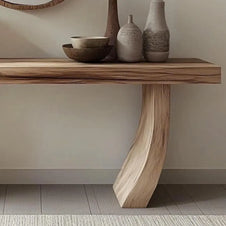
A Mid Century coffee table takes a more refined approach. The design typically focuses on clean lines, balanced proportions, and functional details without making the table feel heavy.
What Is a Rustic Coffee Table?
A rustic coffee table brings a relaxed, natural feel to a living space. It often uses solid wood with visible grain, knots, texture, and other characteristics that make the material feel authentic.
The construction can be substantial, with thick tabletops, chunky legs, or simple metal bases. Some designs use reclaimed wood or finishes that intentionally preserve the wood's aged appearance.
Rustic tables work especially well in farmhouse, cabin, lodge, and country-style interiors. They can also add warmth to a more modern room when you want to soften clean architectural lines.
One of the biggest advantages of this style is that it does not need to look perfectly uniform. Natural variations in the wood are part of the appeal, making each table feel more distinctive.
What Is a Mid Century Coffee Table?
A Mid Century coffee table is defined by simplicity, functionality, and clean proportions. Instead of making the wood look rugged or heavily textured, the design usually emphasizes smooth surfaces and carefully shaped details.
Tapered or angled legs are one of the most recognizable features. Walnut, teak, and oak are also common choices because their natural tones complement the simple geometry of Mid Century furniture.
This style works naturally with Mid Century Modern, minimalist, contemporary, and Scandinavian-inspired interiors. Its lighter visual profile can also make a smaller living room feel more open.
If you prefer furniture that looks polished without being overly formal, a Mid Century coffee table can be a strong choice.
Rustic vs Mid Century Coffee Table: Which One Should You Choose?
There is no universal winner when comparing a Rustic vs Mid Century coffee table. The better choice depends on your room, existing furniture, and the atmosphere you want to create.
When to Choose a Rustic Coffee Table
Choose a rustic coffee table if you want your living room to feel:
Warm and inviting
Natural and relaxed
Connected to the character of real wood
Suitable for farmhouse, cabin, or lodge décor
More substantial and visually grounded
Rustic is also a good option if you like natural imperfections rather than perfectly uniform furniture. A strong wood grain, knots, or subtle variations can become part of the room's personality.
When to Choose a Mid Century Coffee Table
Choose a Mid Century coffee table if you prefer:
Clean lines and simple shapes
Tapered or angled legs
A lighter, less bulky appearance
Smooth and refined wood finishes
Mid Century Modern or minimalist interiors
This style is particularly useful when the rest of your furniture already has simple silhouettes. A streamlined coffee table can complement the room without competing with other pieces.
Ultimately, rustic is the better fit for warmth and natural character, while Mid Century is better for clean design and visual simplicity. Look at your existing furniture first, then choose the style that feels like a natural extension of the room.
A worn coffee table doesn't always need to be replaced. Scratches, faded color, water marks, and an outdated finish can often be fixed with a little preparation and the right refinishing method. Whether you want to highlight the natural wood grain or give the table a completely different color, refinishing can make an old coffee table look fresh again.
The process is fairly straightforward: inspect the table, prepare the surface, sand and repair the wood, apply stain or paint, and finish with a protective sealer. Here's how to refinish a coffee table from start to finish.
What You Need to Refinish a Coffee Table
Gather your supplies before starting so you can move through each step without stopping.
Tool or Material
Purpose
Orbital sander or sanding block
Removing the old finish and smoothing the surface
Sandpaper, 80, 120, and 220 grit
Sanding through different stages
Wood filler
Repairing dents, holes, and deeper scratches
Putty knife
Applying wood filler
Vacuum or tack cloth
Removing sanding dust
Wood stain or furniture paint
Creating the new look
Foam brush or lint-free cloth
Applying stain or finish
Primer
Helping paint adhere to the surface
Protective finish
Protecting the refinished table
Painter's tape
Protecting areas from stain or paint
Safety glasses, gloves, and a dust mask
Personal protection
Work in a well-ventilated area and protect the floor with a drop cloth, especially when sanding or applying stain and finish.
Before refinishing, it’s important to clean the surface properly. Check out How to Clean Wood Coffee Table for simple tips on removing dirt and buildup without damaging the wood.
How to Prepare a Coffee Table for Refinishing
Start by inspecting the table instead of immediately reaching for the sander. Check the tabletop, edges, legs, joints, and underside for scratches, dents, loose parts, or other damage.
If the table has removable legs, drawers, or hardware, take them off when practical. This makes it easier to reach corners and gives you better control over the finish.
You should also determine whether you're working with solid wood or veneer. Veneer has a thin layer of real wood over another material, so aggressive sanding can cut through it. If you're unsure, start with light sanding in an inconspicuous area.
Next, clean the entire table with a mild cleaner and let it dry completely. Dirt, grease, and residue can interfere with sanding and prevent a new finish from adhering properly.
Sand and Repair the Coffee Table
Sanding removes the existing finish and gives the new stain or paint a clean surface to bond with. The amount of sanding you need depends on the condition of the existing finish.
For a heavily worn or thick finish, start with 80-grit sandpaper. Move to 120 grit to smooth the surface, then finish with 220 grit for a finer texture.
Use an orbital sander on large, flat areas and sand by hand around edges, corners, and detailed sections. Keep the sander moving rather than holding it in one place, which can create uneven areas.
Always follow the direction of the wood grain when hand sanding. Once you're finished, vacuum the surface and wipe away any remaining dust with a tack cloth.
Repair Scratches and Dents
After sanding, inspect the wood again. Small imperfections that were hidden under the old finish may become easier to see.
Apply wood filler to deeper scratches, dents, or holes. Let it dry according to the manufacturer's instructions, then sand the repaired areas until they are level with the surrounding wood.
For minor surface marks, additional light sanding may be enough. Don't use filler simply to cover every natural variation in the wood-some knots, grain patterns, and small character marks are part of the table's appearance.
Refinish the Coffee Table With Stain or Paint
Once the surface is clean, smooth, and repaired, decide whether you want to stain or paint the table.
Stain for a Natural Wood Look
Stain is a good choice when you want to keep the wood grain visible. Before staining the entire table, test the color on an inconspicuous area or a scrap piece of the same wood.
Stir the stain thoroughly without shaking the container. Apply a thin, even coat with a lint-free cloth or suitable brush, following the grain. Let the stain penetrate according to the product directions, then wipe away excess with a clean cloth.
If you want a deeper color, apply another coat after the first has dried. Keep in mind that different wood species absorb stain differently, so the same stain can look noticeably different on oak, walnut, pine, or other woods.
Allow the stain to dry fully before applying a protective finish.
If you’re considering a painted finish, check out How to Paint a Wood Coffee Table for practical tips on preparing the surface and getting a smooth, durable result.
Paint for a Completely Different Look
Paint works well when the existing wood color isn't important or you want a solid new color.
After preparing the surface, apply a suitable primer if recommended for your paint and the existing finish. Primer can improve adhesion and help create a more uniform base.
Apply thin, even coats rather than trying to achieve full coverage in one pass. Allow each coat to dry before applying the next. Two or more coats may be necessary depending on the color and type of paint.
Lightly sanding between coats can help create a smoother finish when recommended by the paint manufacturer.
Seal and Protect Your Refinished Coffee Table
A protective topcoat helps your refinished coffee table stand up to everyday use, including drinks, spills, and minor scratches.
For a wood table, common options include water-based polyurethane, oil-based polyurethane, and furniture wax. The right choice depends on the appearance and level of durability you want.
Water-based polyurethane generally dries faster and keeps the wood color closer to its original appearance. Oil-based polyurethane tends to add a warmer tone but usually takes longer to dry and has a stronger odor. Wax creates a softer, more traditional finish but generally requires more maintenance.
Apply the protective finish in thin, even coats and follow the product's recommended drying and recoat times. If the instructions call for sanding between coats, use fine-grit sandpaper and remove all dust before applying the next coat.
Two or three coats are often used for a coffee table, but always follow the specific product instructions.
Most importantly, don't confuse drying with curing. A finish may feel dry to the touch before it has reached full hardness. Give the table enough time to cure before putting heavy objects on it or returning it to everyday use.
Common Mistakes When Refinishing a Coffee Table
A few mistakes can make an otherwise simple refinishing project much harder.
Sanding too aggressively: This can damage veneer or create uneven areas.
Skipping surface preparation: Dirt, grease, and old residue can affect the new finish.
Using too much stain: Heavy application can leave a blotchy or uneven color.
Applying thick coats of paint or sealer: Thin coats usually produce a cleaner result.
Ignoring drying times: Applying another coat too soon can affect the final finish.
Skipping a test area: Stain can look very different once it is applied to a particular type of wood.
Using the table too soon: A finish that feels dry may still be curing underneath.
Taking your time during preparation usually matters more than rushing toward the final coat.
How Long Does It Take to Refinish a Coffee Table?
The actual work can often be completed in a day, but the entire project may take longer because of drying and curing times.
A simple table with a relatively good surface may only need cleaning, light sanding, staining or painting, and sealing. A heavily worn table can take considerably longer if the old finish needs extensive removal or the wood requires repairs.
Rather than focusing only on the number of hours, plan your project around the drying and recoat times specified by the products you're using.
Give Your Coffee Table a Fresh Start
Refinishing is a practical way to update a worn coffee table without replacing the entire piece. With careful preparation, progressive sanding, the right stain or paint, and a durable protective finish, you can give an older table a completely different look while preserving its character.
The key is not to rush the process. A smooth, clean surface and enough drying and curing time will have a much bigger impact on the final result than simply adding more coats of finish.
Wondering what to put on a coffee table to make your living room feel more polished without making it look cluttered? A few well-chosen pieces can add color, texture, and personality while keeping the table practical for everyday use.
The key is not to fill every inch of the surface. Instead, combine a few different elements, vary their height and shape, and leave enough open space for drinks, books, and anything else you use throughout the day.
What to Put on a Coffee Table
You do not need a lot of decor to create a finished look. A simple combination of decorative and functional pieces is often all it takes.
Coffee Table Books
Coffee table books are an easy way to add height, color, and personality. Choose books that reflect your interests or complement the colors in your living room.
Stack two or three books and place a small decorative object, candle, or bowl on top. For a more relaxed look, leave the books slightly offset rather than lining up every edge perfectly.
Coffee table books can instantly add personality and visual interest to your space. For more ideas, check out how to style coffee table books for simple ways to arrange and display them.
A Decorative Tray
A tray gives smaller items a defined place and makes your coffee table easier to keep organized. It works especially well for grouping candles, coasters, small plants, and other accessories.
Choose a tray that fits the scale of your table without taking up most of the surface. Wood, metal, stone, and woven trays can also add another layer of texture to the room.
Flowers and Greenery
Something natural can instantly make a coffee table feel warmer and more inviting. A vase of fresh flowers, a small potted plant, or a few branches can work well depending on the style of your space.
For a wooden coffee table, greenery and other natural materials can complement the character of the wood without competing with its grain.
Candles and Small Decorative Objects
Candles add warmth and a soft glow, while small decorative objects give the arrangement some personality. You might use a ceramic piece, sculptural object, small bowl, or candle holder.
Keep these accents relatively simple. One or two distinctive pieces usually have more impact than a collection of small objects scattered across the table.
Functional Items Like Coasters and Remotes
Coffee table decor should still work for everyday life. Coasters, a small box for remotes, or a decorative container can keep frequently used items within reach without making the table look messy.
Whenever possible, choose functional pieces that also fit the overall style of the room.
Looking for more ways to decorate your table? Explore our coffee table decor ideas for simple styling tips that bring your living room together.
A Simple Formula for Coffee Table Styling
Once you know what to put on a coffee table, the next step is deciding how to combine everything. A simple formula can help you create a balanced arrangement without overthinking it.
Start With an Anchor Piece
Begin with one larger item that gives the arrangement a visual starting point. This could be a tray, a stack of books, a vase, or a decorative bowl.
The anchor piece should have enough presence to define the arrangement without overwhelming the table.
Add Height and Contrast
Mixing heights keeps the arrangement from looking flat. Pair a taller vase or candle holder with lower objects such as books, a bowl, or a tray.
You can also create contrast by combining different shapes and materials. For example, a round bowl can soften the straight lines of a rectangular table, while wood and ceramic can create a more layered look.
Bring in Something Natural
A natural element adds texture and keeps the arrangement from feeling too formal. Flowers, greenery, branches, stones, or other organic materials can all work.
You do not need a large floral arrangement. Even a small plant or a few branches in a simple vase can add enough visual interest.
Leave Some Open Space
One of the easiest ways to avoid a cluttered coffee table is to leave part of the surface open.
Your coffee table needs to be usable, so do not cover the entire top with accessories. Open space also gives each decorative piece room to stand out.
How to Arrange Coffee Table Decor
The same pieces can look completely different depending on how they are arranged. A few simple adjustments can make the overall display feel more intentional.
Mix Different Heights, Shapes, and Textures
Avoid placing several objects with the same height and shape together. Instead, combine tall and short pieces with different forms and textures.
For example, a tall vase, a stack of books, and a low bowl create more visual variety than three similarly sized objects.
Group Smaller Items Together
Small accessories can easily make a coffee table look scattered. Grouping them into one or two defined areas creates a cleaner appearance.
A tray is useful for this, but you can also create a loose grouping with books, a candle, and a small decorative object.
Keep the Centerpiece Proportional to the Table
The size of your decor should relate to the size of your coffee table. A tiny centerpiece can disappear on a large table, while an oversized arrangement can make a smaller table feel crowded.
Think about the overall footprint of the arrangement rather than the size of individual pieces. The goal is to create a focal point while keeping the table comfortable to use.
Keep Your Coffee Table Stylish and Functional
Good coffee table styling should make the room look better without making everyday life harder.
Leave Room for Drinks and Everyday Use
Think about how you actually use your coffee table. Leave enough open space for a coffee mug, glass, book, or other items you regularly place there.
If you constantly have to move your decor out of the way, the arrangement is probably too crowded.
Avoid Too Many Decorative Pieces
More decor does not necessarily create a better display. Too many small objects can make the table feel busy and hide the character of the furniture underneath.
Start with a few pieces and add only what the arrangement actually needs.
Balance Decor With Usable Space
The best coffee table arrangements combine decoration with function. Use books, trays, bowls, and containers that can serve a purpose while still contributing to the overall look.
A coffee table should feel styled, but it should also feel like a piece of furniture you can actually live with.
If you’re decorating for the holidays, explore our coffee table christmas decor ideas for simple ways to add a festive touch without overcrowding the table.
Frequently Asked Questions About Coffee Table Decor
What should I put in the center of my coffee table?
A tray, vase, decorative bowl, stack of coffee table books, or small plant can work well as a centerpiece. Choose one main focal point and build a simple arrangement around it.
How many items should I put on a coffee table?
There is no fixed number, but a small group of well-chosen pieces is usually easier to balance than many individual accessories. Start with three to five items and adjust based on the size of the table.
How do you decorate a coffee table without cluttering it?
Leave some of the surface open, group smaller objects together, and avoid using too many pieces with similar sizes. Mixing heights and textures can also create visual interest without adding more decor.
What looks good on a wooden coffee table?
Natural materials such as greenery, ceramic, woven accents, books, and simple decorative objects pair well with wood. Keep the arrangement relatively simple so the natural grain and character of the table remain visible.
Choosing a coffee table is about more than finding a design you like. The right table should fit your sofa, leave enough room to move around, suit the way you use your living room, and complement the rest of your furniture.
From size and shape to material and storage, a few practical decisions can make a big difference. Use this guide to find a coffee table that fits your space comfortably and works well for everyday living.
How to Choose the Right Coffee Table Size
Getting the size right should be your first step. A coffee table that is too large can make a room feel cramped, while one that is too small may look disconnected from the seating area.
Before shopping, measure your sofa, the available floor space, and the distance between your seating and other furniture.
How Long Should a Coffee Table Be?
As a general starting point, choose a coffee table that is about two-thirds the length of your sofa. This creates a balanced look without making the table extend too far beyond the seating area.
For example, a 90-inch sofa can work well with a coffee table around 54 to 60 inches long. The exact size depends on your room layout and the amount of walking space available.
For smaller sofas, loveseats, or compact living rooms, a shorter table may be more practical. The goal is to keep the coffee table proportional to the seating rather than simply choosing the largest table that fits.
How Tall Should a Coffee Table Be?
A coffee table generally works best when its height is close to the height of your sofa seat or slightly lower. A table that sits noticeably higher than the cushions can feel awkward to use and may interrupt the visual balance of the room.
A lower coffee table can create a relaxed, modern look, while a table closer to sofa height can be more convenient for eating, working, or reaching drinks.
Measure the actual seat height of your sofa before choosing a table, especially if you have a low-profile or unusually tall sofa.
See more: How Tall Should a Coffee Table Be?
How Much Space Should You Leave Around a Coffee Table?
Your coffee table should leave enough clearance for people to move comfortably around it. As a practical guideline, aim for roughly 24 to 30 inches of walking space around the outer edges of the table where people regularly pass.
You may need more space in a main walkway and less in a quiet corner of the room.
Avoid pushing the table so close to other furniture that opening drawers, reclining chairs, or walking through the room becomes difficult. A coffee table should define the seating area without blocking it.
How Far Should a Coffee Table Be From the Sofa?
Leave around 14 to 18 inches between the edge of the sofa and the coffee table as a useful starting range. This gives you enough legroom while keeping drinks, books, and other everyday items within easy reach.
The ideal distance can vary depending on the depth of your sofa and how you use the room. If you frequently stretch your legs toward the table, a little more space may be comfortable. If the room is compact, you may need to work closer to the lower end of the range.
The important thing is to maintain a comfortable balance between accessibility and movement.
See more: How far should coffee table be from couch?
How to Choose a Coffee Table Shape
The shape of your coffee table should work with both your seating arrangement and the overall layout of the room. The right shape can make a space easier to navigate and help the furniture feel more connected.
How to Choose a Rectangular Coffee Table
A rectangular coffee table is a versatile choice for long sofas and larger living rooms. Its elongated shape follows the lines of a standard sofa and provides plenty of surface area for drinks, books, trays, and everyday items.
It also works well when you have a long seating arrangement or want the coffee table to visually anchor the center of the room.
Choose a rectangular table when you have enough space to accommodate its longer footprint without restricting movement.
How to Choose a Round Coffee Table
Round coffee tables are particularly useful when you want to soften a room filled with straight lines and sharp corners. The curved edge also makes it easier to move around the table, which can be helpful in smaller or busy living spaces.
A round table can work especially well with sectional sofas, multiple chairs, or seating arranged around a central point.
If your room has young children, a round design can also eliminate exposed sharp corners around the main seating area.
How to Choose an Oval Coffee Table
An oval coffee table combines some of the benefits of rectangular and round designs. It offers a longer surface while maintaining curved edges that make the table feel less bulky.
This shape works well with longer sofas when you want more usable tabletop space without the sharper corners of a rectangular table.
An oval table can also help maintain a smoother traffic flow through a narrow seating area.
How to Choose a Square Coffee Table
A square coffee table can be a good match for symmetrical seating arrangements, large sectionals, or sofas positioned opposite each other.
Because all four sides have equal proportions, square tables work particularly well when seating surrounds the table from multiple directions.
Before choosing one, make sure the room has enough open space around all four sides. A square table can quickly feel oversized if the surrounding seating area is too compact.
How to Choose a Coffee Table for a Sectional Sofa
Sectional sofas give you more flexibility, but their larger footprint makes proportion especially important.
For an L-shaped sectional, a rectangular, oval, or round coffee table can work depending on the open space in front of the seating. A round table can soften the angular shape of the sectional, while a rectangular table can make better use of a longer open area.
For a U-shaped sectional, consider a round or square coffee table if the seating surrounds a central space fairly evenly.
Measure the open area inside the sectional before shopping. The table should fit comfortably within that space while leaving enough room for people to get in and out of the seating.
How to Choose a Coffee Table Based on Function
Looks matter, but your coffee table also needs to work with the way you actually use your living room.
Think about what normally happens around the table. Do you serve drinks and snacks, keep books nearby, work from the sofa, store remotes, or need extra space for everyday clutter?
Should You Choose a Coffee Table With Storage?
A coffee table with storage can be useful when you want to keep the living room organized without adding another piece of furniture.
Shelves can provide an easy place for books, baskets, or decorative objects, while drawers or enclosed compartments can hide remotes, games, and other small items.
If your room already has plenty of storage, however, a simple tabletop may be all you need. Avoid choosing extra compartments simply because they are available.
Should You Choose a Lift-Top Coffee Table?
A lift-top coffee table can make sense if you regularly work, eat, or use a laptop from the sofa. The raised surface can provide a more comfortable working position than a traditional low tabletop.
For a living room used primarily for relaxing and entertaining, a standard coffee table may be simpler and more visually streamlined.
Think about your daily routine rather than choosing a feature based solely on appearance.
How Kids and Pets Affect Your Coffee Table Choice
If you have children or pets, consider durability, stability, and the shape of the table before choosing a design.
Rounded corners can reduce sharp edges in high-traffic areas. A sturdy construction can help prevent the table from shifting easily, while a durable finish makes everyday spills and scratches easier to manage.
You should also consider how easy the surface is to clean. A beautiful coffee table that requires constant maintenance may not be the most practical choice for a busy household.
How to Choose the Right Coffee Table Material
The material affects more than appearance. It influences durability, maintenance, weight, texture, and how the table fits into the rest of your room.
How to Choose a Wood Coffee Table
Wood is a versatile choice for living rooms because it brings natural warmth and texture into the space. Solid wood coffee tables can also work across a wide range of interior styles, from rustic and farmhouse to modern and transitional.
When choosing a wood table, look at the species, grain pattern, finish, construction, and overall thickness. Natural wood can have variations in grain and color, which gives each piece its own character.
For shoppers who want a more distinctive centerpiece, a live edge wood coffee table preserves the natural edge of the slab and highlights the character of the wood.
How to Choose a Glass Coffee Table
Glass can make a living room feel visually lighter because the transparent surface takes up less visual space.
It can be a useful option for smaller rooms where a heavier tabletop might make the seating area feel crowded. However, glass requires more frequent cleaning and may show fingerprints, dust, and smudges more easily.
Consider your household and maintenance preferences before choosing it.
How to Choose a Marble or Stone Coffee Table
Marble and other stone surfaces can add substantial visual weight and a refined natural texture to a living room.
They are a good option when you want the coffee table to become a strong focal point. However, stone tables can be heavy and may require more attention to spills, stains, and surface care depending on the material and finish.
Think about both appearance and maintenance before making your choice.
How to Choose a Metal Coffee Table
Metal coffee tables can work well in modern, industrial, and minimalist interiors. They are available in a wide range of finishes and can be paired with wood, glass, or stone for a mixed-material look.
A metal base can also provide a lighter visual profile than a solid wood or stone base, depending on the design.
Choose a finish that works with the existing hardware and materials in your room rather than trying to match every piece exactly.
How to Pick a Coffee Table That Matches Your Living Room
Once you have narrowed down the size, shape, and function, you can focus on how the table works with your existing furniture.
The goal is not necessarily to make every piece match. A well-chosen coffee table can either complement the room or introduce enough contrast to give the space more character.
How to Choose the Right Coffee Table Color
Start with the colors already present in your living room. A wood table in a warm natural finish can complement neutral upholstery, while a darker finish can create contrast against a lighter sofa.
You do not need to match the coffee table exactly to your TV stand, side tables, or flooring. Instead, look for colors and undertones that feel connected.
Natural wood is especially versatile because variations in grain and tone can add visual interest without overwhelming the room.
How to Match a Coffee Table With Your Sofa
Your sofa is usually the largest piece in the seating area, so use it as the starting point for choosing your coffee table.
Consider three things together:
Proportion: The table should feel appropriately sized for the sofa.
Shape: Curved tables can soften angular furniture, while rectangular designs can reinforce clean lines.
Material: Similar materials create cohesion, while contrasting materials can add depth.
For example, a natural wood coffee table can bring warmth to a neutral fabric sofa, while a metal-and-wood design can complement a more industrial space.
How to Choose a Coffee Table Style for Your Living Room
Choose a style that supports the overall character of the room rather than following a trend that does not suit your furniture.
Rustic and farmhouse spaces often work well with natural wood, visible grain, and substantial construction. Modern rooms may benefit from cleaner lines and simpler finishes, while transitional interiors can combine traditional materials with more contemporary shapes.
The coffee table does not have to look identical to the rest of your furniture. It simply needs to feel intentional within the room.
Common Coffee Table Buying Mistakes to Avoid
A coffee table can look perfect in a product photo and still feel wrong in your living room. Avoiding a few common mistakes can make the selection process much easier.
Choosing the Wrong Coffee Table Size
Do not choose a table based only on how much tabletop space you want. A large table can overwhelm a small seating area, while a very small table can look disconnected from a large sectional.
Measure your sofa and available floor space first, then choose a size that maintains comfortable proportions.
Choosing the Wrong Coffee Table Shape
The most attractive shape is not necessarily the right shape for your layout.
A rectangular table may work beautifully with a long sofa but feel awkward in a compact room. Likewise, a square table may need more open space than your layout provides.
Choose the shape based on your seating arrangement and traffic flow.
Ignoring the Space Between the Sofa and Coffee Table
A table that sits too close to the sofa can make the room uncomfortable and restrict movement. One placed too far away may be difficult to reach.
Leave enough room for comfortable legroom while keeping the tabletop accessible from the main seating positions.
Choosing Style Over Function
A coffee table is both a design element and a piece of everyday furniture. If you need storage, choose a design that provides it. If you work from the sofa, consider a lift-top. If you have children or pets, prioritize practical construction and easy maintenance.
The right coffee table should look good in your living room and make the space easier to use.
Coffee table books are an easy way to add personality, color, and texture to a living room, but arranging them well takes more than simply stacking a few books together. The right combination of books, decorative accents, and open space can make your coffee table feel polished without looking cluttered.
Whether you have a round, square, or rectangular coffee table, a few simple styling techniques can help you create an arrangement that feels balanced and intentional. Here’s how to style coffee table books for a look that is both beautiful and practical.
How to Choose Coffee Table Books for Styling
Before arranging your coffee table books, choose titles that work well together in size, color, and subject. You do not need a perfectly matching set. A little variation often makes the arrangement feel more natural.
Choose the Right Size
Start with books that are large enough to be noticeable on the table but not so large that they take over the entire surface. Larger coffee table books work especially well as the bottom of a stack, while smaller books can be layered on top.
For a balanced look, mix different sizes rather than using several books with exactly the same dimensions. On a small coffee table, two or three appropriately sized books may be enough.
Coordinate Colors
Color is one of the easiest ways to make a coffee table book arrangement look intentional. Choose books that complement the colors already used in your living room, such as the sofa, rug, artwork, or other decor.
Neutral coffee table books in shades of white, beige, gray, black, or brown are easy to mix with different interiors. If your room has stronger colors, you can also use book covers to introduce a subtle accent color.
The goal is not to make every cover identical. Instead, look for colors that feel connected without being too repetitive.
Choose Books You Actually Like
Coffee table books should be decorative, but they are still books. Choose subjects that reflect your interests, whether that means interior design, architecture, photography, travel, art, fashion, or nature.
Books with attractive covers and interesting content give your coffee table styling more personality. A collection that feels personal will usually look more natural than a stack chosen only for its color.
Before styling your coffee table, make sure it’s positioned comfortably. See how far should coffee table be from couch for practical spacing guidelines.
How to Stack Coffee Table Books
Once you have selected your books, stacking them is the easiest way to create height and structure on your coffee table.
Start With 2-4 Books
For most coffee tables, 2-4 books per stack is a practical starting point. Two books create a simple, minimal look, while three or four books can give a larger table more visual weight.
If you are styling a small coffee table, avoid using too many books. A compact stack can create the same decorative effect without taking up valuable surface space.
Stack From Largest to Smallest
Place the largest coffee table book on the bottom and gradually move toward smaller books as you build the stack. This creates a stable visual foundation and makes each cover easier to see.
You can keep the books perfectly aligned for a clean look or slightly offset them for a more relaxed arrangement. Either approach works as long as the stack feels balanced.
Add One Decorative Object
After creating your stack, place one decorative object on top. A small vase, candle, bowl, sculpture, or other accent piece can add height and texture.
Try not to overload the stack. One well-chosen object is often enough to make the books feel styled without making the arrangement look cluttered.
How to Arrange Coffee Table Books
Stacking the books is only part of the process. Where you place the stack on the tabletop also affects the overall balance of your living room decor.
Create One Simple Stack
One stack of coffee table books works particularly well on small or minimalist coffee tables. Place it slightly off-center and leave enough open space around it for drinks and everyday use.
For a simple arrangement, combine two or three books with one small decorative object. This keeps the table useful while still giving it a finished look.
Create Two Separate Stacks
Larger coffee tables can accommodate two separate stacks. Use books with different sizes or colors so the two arrangements do not look like identical copies.
For example, one stack can hold three books with a vase on top, while another uses two books with a small bowl or sculpture. Varying the height helps create a more dynamic coffee table arrangement.
Leave Some Open Space
One of the easiest ways to improve coffee table styling is to leave some of the surface empty. Negative space keeps the arrangement from feeling crowded and gives each decorative element room to stand out.
Remember that a coffee table is also a functional piece of furniture. Leave enough space for drinks, remotes, snacks, or anything else you regularly use in the living room.
How to Style Coffee Table Books on Different Tables
The shape and size of your coffee table should influence how you arrange your books. A layout that works on a large rectangular table may feel crowded on a small round table.
How to Style Books on a Rectangular Coffee Table
A rectangular coffee table gives you plenty of space to create one or two separate styling zones. Try placing a stack of books toward one end and balancing it with a vase, bowl, or tray.
For a larger rectangular table, two stacks can work well when they have different heights. Keep the center or another section of the tabletop open so the arrangement does not feel too symmetrical or crowded.
How to Style Books on a Round Coffee Table
Round coffee tables naturally draw attention toward the center, so a single stack of coffee table books can work especially well.
Place two or three books near the center and add a small vase or decorative object on top. You can also move the arrangement slightly off-center if you want a more relaxed look.
Avoid spreading too many small objects around the edge of a round table. Keeping the arrangement compact usually creates a cleaner result.
How to Style Books on a Square Coffee Table
A square coffee table gives you several options. A single stack can anchor one area of the tabletop, while a second decorative element can balance the opposite side.
For a larger square coffee table, try creating two visual zones with different heights. For a smaller table, keep the arrangement simple with one stack and one accent piece.
How to Style Books on a Small Coffee Table
When working with a small coffee table, less is usually more. Use two or three books in a compact stack and add one small decorative object.
Avoid large trays, oversized vases, or multiple stacks that leave little room for everyday use. The goal is to add personality without sacrificing function.
Coffee Table Book Styling Ideas
Once you understand the basic arrangement, you can adapt it to different interior styles.
Minimalist Coffee Table Book Styling
Choose a small number of books with simple covers and neutral colors. Stack two or three books neatly and add one understated object.
Keep the rest of the tabletop open to create a clean, uncluttered look.
Neutral Coffee Table Book Styling
Neutral coffee table books work well with beige, cream, white, gray, brown, and natural wood interiors. Combine books with similar tones while varying their sizes and textures.
A ceramic vase, wooden bowl, or simple sculptural piece can complete the arrangement without introducing too much contrast.
Rustic Coffee Table Book Styling
For a rustic living room, combine coffee table books with natural materials such as wood, ceramic, woven textures, or stone.
Books with earthy covers can complement a wood coffee table particularly well. A wooden bowl, simple vase, or natural decorative object can add warmth without making the arrangement feel overly styled.
Want to create a warmer, more inviting look? Check out How to Style a Rustic Coffee Table for simple ideas to decorate and balance your coffee table.
Layered Coffee Table Book Styling
Layering means combining different heights, sizes, textures, and decorative objects rather than keeping everything perfectly aligned.
Start with a larger stack of books, add a smaller book or object on top, and then balance the arrangement with another piece nearby. Keep the height differences noticeable but not excessive.
Coffee Table Books With a Tray
A tray can help organize several decorative elements while giving the coffee table a defined styling area. Place a stack of books inside or beside the tray, then add a small bowl, candle, or vase.
This works particularly well when you want the decor to be easy to move when the table needs to be cleared.
Coffee Table Books With a Vase or Bowl
A vase or bowl is an easy way to add height and shape to a stack of books. Place the books underneath and use one larger decorative piece on top or beside them.
For a more balanced arrangement, choose a vase or bowl that is proportional to the size of the books and coffee table.
Common Coffee Table Book Styling Mistakes
Avoiding a few common mistakes can make your arrangement look more intentional.
Using too many books: A crowded stack can make the table feel heavy and difficult to use.
Making every stack identical: Vary the number of books, heights, or accessories for a more natural arrangement.
Ignoring color: Books with completely unrelated colors can compete with the rest of your living room decor.
Adding too many accessories: Coffee table books should support the arrangement, not disappear underneath decorative objects.
Using the entire tabletop: Leave some negative space so the table remains functional and visually balanced.
The best coffee table book styling does not require a complicated arrangement. Start with a few books that you genuinely like, stack them from largest to smallest, add one or two decorative pieces, and leave enough open space for everyday use. From there, adjust the arrangement to suit your coffee table's shape, size, and the style of your living room.
 Skip to content