 Skip to content
Your cart (0)
Your cart is empty
Tax included and shipping calculated at checkout
Recommended products

Drawer menu
Tax included and shipping calculated at checkout
Your wishlist is empty.
Continue shopping


Monkeypod wood is known for its warm brown tones, expressive grain, and large, naturally distinctive boards. Often used for furniture, tables, decorative pieces, and woodworking projects, it offers a balance of visual appeal and practical performance. If you're considering monkeypod for furniture, understanding its appearance, durability, common uses, and care requirements can help you decide whether it fits your space and lifestyle.
Monkeypod wood comes from several species in the Samanea genus, with Samanea saman being the species most commonly associated with the name. The tree is native to tropical regions of the Americas and is now widely grown in parts of Southeast Asia and other warm climates.
The wood is valued primarily for its distinctive appearance and the ability to produce wide boards. Unlike many temperate hardwoods that are limited by narrower trunk sizes, mature monkeypod trees can produce large slabs that work particularly well for dining tables, coffee tables, benches, and other statement furniture.
Monkeypod is generally classified as a hardwood, but it is not as hard or dense as species such as hard maple or many oak varieties. This gives it a useful balance: it is substantial enough for furniture while remaining relatively workable for cutting, shaping, sanding, and finishing.
One of its most appealing qualities is its natural character. Depending on the tree and board, monkeypod may contain contrasting colors, irregular grain, knots, mineral streaks, and other features that make each piece visually different.

Monkeypod wood is usually recognized by its warm, natural color and highly varied grain. The heartwood can range from golden brown and medium brown to darker reddish-brown tones, while the sapwood is typically lighter.
Its grain is often straight to interlocked, but individual boards can show waves, curls, swirls, or irregular patterns. This variation becomes especially noticeable when monkeypod is cut into wide slabs or live-edge pieces.
Another defining feature is the contrast between different parts of the board. Darker streaks, knots, and changes in grain direction can create a dramatic surface without requiring a heavily stained finish.
For furniture, this means monkeypod works particularly well when the natural wood is intended to be part of the design. A large monkeypod tabletop, for example, can serve as a visual focal point because its grain pattern and live edge give the piece a one-of-a-kind appearance.
The final color also depends on the finish. A clear finish generally preserves the wood's natural character, while oils and darker finishes can make the grain appear richer and more pronounced.

Monkeypod is durable enough for many indoor furniture applications, but it should not be confused with one of the hardest hardwood species.
Its moderate hardness makes it suitable for tables, benches, cabinets, shelves, and decorative furniture. At the same time, its relatively workable surface means it can be more susceptible to dents and scratches than harder woods such as hard maple.
This is not necessarily a disadvantage. For many furniture applications, a balance between strength, stability, workability, and appearance is more important than maximum hardness.
Proper drying and construction also play an important role in long-term performance. Like other natural wood products, monkeypod responds to changes in moisture and humidity. Well-seasoned wood and a properly applied finish can help reduce problems associated with excessive moisture movement.
Monkeypod offers several advantages that make it attractive for furniture and woodworking:
Distinctive appearance: Its varied grain, warm color, knots, and natural markings give each board a unique character.
Wide boards: Large trees can produce broad slabs that are useful for statement tables and other oversized furniture.
Good workability: Monkeypod can generally be cut, shaped, sanded, and finished without the difficulty associated with very hard woods.
Suitable for furniture: Its combination of moderate durability and attractive appearance makes it practical for many indoor applications.
Natural versatility: It works well with rustic, tropical, contemporary, and other interior styles.
Strong visual appeal: The grain is often interesting enough to remain visible beneath a relatively simple finish.

Monkeypod wood is used for both functional furniture and decorative woodworking. Its ability to produce wide boards is particularly valuable when a design calls for a large, uninterrupted wood surface.
Monkeypod is commonly used for dining tables, coffee tables, benches, desks, side tables, chairs, and cabinets. Large slabs are especially popular for statement pieces where the natural edge and grain are meant to remain visible.
If you are looking for oak wood furniture, please take a look at our Monkeypod Live Edge Coffee Table with Black Metal Legs

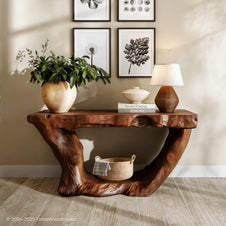
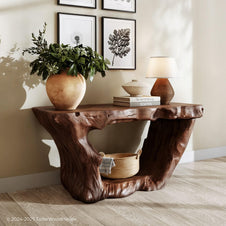
The broad trunks and attractive natural edges of monkeypod make it a popular choice for live edge furniture. A live edge monkeypod table can highlight the original contours of the tree while preserving knots, grain variation, and other natural features. Check out our live edge coffee table designs now.
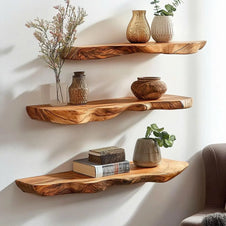
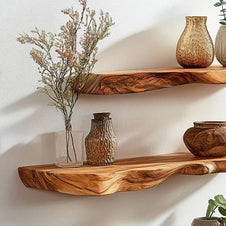
Monkeypod can also be used for cabinets, shelving, and built-in furniture. Its warm color works particularly well when paired with neutral finishes, natural materials, metal, or other wood species.
Smaller pieces can be turned into bowls, serving boards, trays, boxes, sculptures, and other decorative objects. Its distinctive grain allows relatively simple designs to have a strong visual presence.
Monkeypod furniture is relatively straightforward to maintain when the correct care routine is matched to its finish. The goal is to control moisture, protect the surface, and avoid conditions that can cause unnecessary movement or damage.
Use a soft, dry or slightly damp cloth to remove dust and everyday dirt. If something spills, wipe it up promptly rather than allowing liquid to remain on the surface.
Avoid abrasive sponges and strong household cleaners unless the manufacturer specifically recommends them for the finish.

Use coasters under drinks and trivets under hot dishes. For dining tables and coffee tables, placemats or protective pads can also reduce the chance of scratches, stains, and heat marks.
Because monkeypod is not among the hardest hardwoods, these simple precautions are particularly useful for high-use surfaces.
Prolonged exposure to direct sunlight can gradually change the color of natural wood. Sudden or repeated changes in humidity can also cause wood to expand and contract.
Whenever possible, keep monkeypod furniture away from strong heat sources and areas with persistent moisture.
The appropriate maintenance depends on whether the furniture has been finished with oil, wax, lacquer, polyurethane, or another protective coating. Do not automatically apply furniture oil simply because the piece is made from natural wood.
If the finish becomes worn, follow the manufacturer's recommendations for cleaning, refinishing, or re-oiling.
Yes. Monkeypod can generally be sanded and refinished when the existing surface becomes worn or damaged. However, the correct process depends on the type and condition of the original finish.
For valuable or heavily damaged furniture, professional refinishing can help preserve the wood while avoiding unnecessary removal of the original surface.

If you're comparing walnut with other popular hardwoods, explore cherry wood , walnut wood, ash wood and maple wood to see how their color, grain, and durability differ.
Monkeypod can be an excellent choice if you value natural character, large wood surfaces, and a distinctive appearance more than maximum hardness.
It is particularly well suited to coffee tables, dining tables, benches, desks, and live edge furniture where the grain and natural edge can become part of the design. Its moderate durability makes it practical for normal indoor use, while its wide boards allow furniture makers to create pieces that would be difficult to achieve with narrower lumber.
The main consideration is that monkeypod can dent and scratch more easily than harder hardwoods. If you are comfortable with a natural material that may develop small signs of use over time, those marks can become part of the furniture's character rather than a flaw.

For buyers, the quality of the individual slab also matters. Look for properly dried wood, sound construction, an appropriate finish, and a design that suits the intended use.
In the right application, monkeypod offers a compelling combination of natural beauty, workable performance, wide slabs, and one-of-a-kind character.


