Master woodworker with over a decade of experience, known for turning complex designs into stunning, functional works of art
Ash wood is a strong, versatile hardwood known for its light color, straight grain, and excellent workability. Its combination of strength and flexibility makes it a popular choice for furniture, flooring, cabinets, and other woodworking projects.
But ash wood is more than just a strong material. Its clean appearance and distinctive grain allow it to work well across different interior styles. Here’s what you need to know about ash wood, from its key characteristics to its most common uses.
What Is Ash Wood?
Ash wood comes from trees in the Fraxinus genus, which includes several species found across North America, Europe, and other parts of the Northern Hemisphere. White ash and green ash are among the better-known species used for timber and woodworking.
Like oak, walnut, and maple, ash is classified as a hardwood. It is particularly valued for its combination of strength, resilience, and relatively light weight.
This makes ash wood a practical material when a project needs to withstand regular use without becoming unnecessarily heavy. It is especially useful for furniture components that need both strength and a certain degree of flexibility.
Ash Wood Characteristics
Color and Appearance
Ash wood typically has a light, natural appearance. Its sapwood can range from nearly white to creamy or pale yellow, while the heartwood may develop slightly darker tan or brown tones.
As the wood ages, its color can become warmer and more golden. This subtle change gives ash furniture a natural character without the darker appearance associated with woods such as walnut.
Its light tone also makes ash a flexible choice for interiors. It can be left relatively natural to highlight the wood itself or finished to achieve a different color and visual effect.
Grain Pattern
One of the most recognizable features of ash wood is its grain.
Ash generally has a straight, open grain with a clear visual pattern. Depending on the tree and growing conditions, the grain can vary in appearance, and some pieces may show more unusual figured or spalted patterns.
The combination of light color and visible grain gives ash a clean but warm appearance. It works particularly well when you want furniture to show the character of natural wood without creating an overly dramatic look.
Strength and Hardness
Ash wood is well known for its strength. It has good bending strength and can handle the demands of furniture that is used regularly.
Its mechanical properties also make it useful for components such as chair legs, spindles, and frames, where the material needs to resist stress while maintaining its shape.
Ash has a Janka hardness rating of around 1,300 lbf for commonly used North American ash species, although the exact value varies by species and growing conditions. This places it in a useful range for many furniture and woodworking applications.
The important point is that ash combines hardness with resilience. It is not simply a hard wood; it can also absorb and distribute stress effectively.
Flexibility and Workability
Another advantage of ash wood is its workability.
Its combination of strength and elasticity allows it to be shaped, machined, and, under suitable conditions, bent into curved components. This is one reason ash has traditionally been used for chair parts, handles, and other applications where some flexibility is valuable.
For woodworkers, ash is also relatively straightforward to cut, sand, drill, and finish with the right tools.
What Is Ash Wood Used For?
Ash wood is versatile enough for a wide range of woodworking applications.
Furniture
Ash is a popular choice for furniture because it balances strength, appearance, and workability. It can be used for tables, chairs, benches, cabinets, and other pieces that need to withstand regular use.
Chairs and Chair Components
The combination of strength and flexibility makes ash particularly suitable for chair legs, spindles, frames, and curved components.
These parts need to handle repeated loads while maintaining structural stability, making ash a practical material for furniture construction.
Tables and Benches
Ash can also work well for dining tables, benches, desks, and other larger furniture pieces. Its light color and visible grain create a natural appearance that suits both contemporary and traditional interiors.
Cabinets and Interior Woodwork
Its relatively neutral appearance allows ash to work well in cabinets, shelving, wall panels, and other interior applications.
Flooring
Ash's hardness and attractive grain also make it suitable for flooring. Its lighter appearance can help create a brighter, more open feel compared with darker hardwood species.
Tool Handles and Other Woodworking Projects
Historically, ash has been valued for handles and other components that benefit from strength and shock resistance. It is also useful for a variety of custom woodworking projects where durability and workability are important.
Pros and Cons of Ash Wood
Ash wood offers a strong combination of performance and appearance, but it is not the right choice for every project.
Pros of Ash Wood
Strong and resilient: Suitable for furniture that receives regular use.
Good bending strength: Works well for curved and structural components.
Light appearance: Its pale color fits a wide range of interior styles.
Good workability: Can be cut, sanded, machined, and finished effectively.
Versatile: Suitable for furniture, flooring, cabinets, and woodworking projects.
Cons of Ash Wood
Limited moisture resistance: It is better suited to protected interior applications unless properly treated.
Light color can show marks: Scratches, dirt, and wear may be more noticeable on lighter finishes.
Appearance varies: Grain and color can differ between boards and species.
Availability can vary: The supply of particular ash species depends on region and market conditions.
Ash Wood vs Other Hardwoods
Choosing between hardwoods often comes down to the balance of appearance, performance, and budget.
Ash Wood vs Oak
Ash and oak wood are both strong hardwoods with prominent grain patterns. Ash generally has a lighter, cleaner appearance, while oak often has a more pronounced and traditional grain.
Choose ash when you prefer a lighter look and good flexibility. Oak may be a better fit when you want a more established, robust visual character and broad availability.
Ash Wood vs Walnut
Walnut is known for its rich brown color and sophisticated appearance, while ash is much lighter and more neutral.
Ash is often a practical choice when strength and a bright natural aesthetic are priorities. Walnut is usually chosen when the darker color and premium visual character are the main focus.
Ash Wood vs Maple
Both ash and maple wood can provide a light appearance and good durability. Maple generally has a finer, more uniform grain, while ash tends to show a more open and pronounced grain pattern.
Ash can therefore be a better choice when you want a light hardwood with more visible natural grain.
Is Ash Wood Good for Furniture?
Yes, ash wood is an excellent option for many types of furniture.
Its appeal comes from the balance of strength, flexibility, workability, and appearance. It can withstand everyday use while offering a lighter alternative to darker hardwoods such as walnut.
Ash is particularly well suited to chairs, benches, tables, and furniture components that need reliable structural performance. Its straight grain also gives furniture a clean, natural appearance that can complement a variety of design styles.
The best choice ultimately depends on the type of furniture, the desired appearance, and the environment in which the piece will be used.
How to Care for Ash Wood Furniture
Proper care can help ash wood furniture maintain its appearance and structural performance for years.
Keep it dry: Wipe up spills promptly and avoid prolonged exposure to moisture.
Clean gently: Use a soft, slightly damp cloth rather than harsh cleaning products.
Protect the surface: Use an appropriate finish to help guard against stains, moisture, and everyday wear.
Avoid extreme conditions: Keep furniture away from prolonged direct heat and major changes in humidity when possible.
Follow the finish manufacturer's guidance: Different oils, waxes, and protective coatings require different maintenance methods.
Above is everything you need to know about ash wood, from its color, grain pattern, strength, and durability to its advantages, disadvantages, and common uses. With its natural beauty, reliable performance, and versatility, ash wood is a practical choice for furniture and a wide range of woodworking projects. We hope this guide helps you better understand ash wood and decide whether it is the right material for your next project.
Rustic living rooms bring together natural materials, warm colors, and cozy textures to create a space that feels inviting and timeless. Modern rustic design is no longer limited to traditional cabins or farmhouse homes; it can be adapted to contemporary interiors through wood furniture, neutral tones, handcrafted details, and comfortable fabrics.
Whether you prefer a cozy farmhouse atmosphere, a modern rustic look, or a more minimalist approach, these rustic living room ideas will help you create a warm and character-filled space.
Modern rustic living room
A modern rustic living room combines clean contemporary lines with the warmth of natural materials. Use neutral shades like beige, cream, and warm gray as a foundation, then add rustic elements through wood furniture, leather accents, and textured fabrics.
A statement wood coffee table, natural wood shelves, or black metal details can create the perfect balance between modern simplicity and rustic charm. The key is keeping the space uncluttered while allowing organic materials to become the main design feature.
Cozy farmhouse rustic
Farmhouse rustic style focuses on comfort, simplicity, and a welcoming atmosphere. Soft linen sofas, distressed wood finishes, woven baskets, and vintage-inspired décor can instantly add farmhouse character to your living room.
Pair these elements with a reclaimed wood coffee table or open shelving to create a relaxed space that feels lived-in and timeless. Neutral colors combined with natural textures help maintain a cozy yet elegant look.
Stone fireplace centerpiece
A stone fireplace can become the focal point of a rustic living room by adding natural texture and warmth. Whether you choose stacked stone, exposed rock, or a modern stone surround, it creates a cozy gathering space for family and guests.
Complete the look with a wooden mantel, comfortable seating, and rustic décor such as candles, artwork, or greenery. This classic feature works especially well in cabin-inspired and farmhouse-style interiors.
Live edge coffee table
A live edge coffee table adds organic beauty and unique character to a rustic living room. Featuring the natural shape and grain of the wood, it brings warmth while creating a strong visual centerpiece.
Materials like walnut, oak, or maple pair beautifully with leather sofas, neutral rugs, and natural décor. A handcrafted wood coffee table is an ideal choice for homeowners who want rustic charm with a modern, one-of-a-kind feel.
Exposed wooden ceiling beams
Exposed wooden ceiling beams add architectural interest and a natural touch to rustic interiors. They work especially well in rooms with high ceilings or open layouts, creating a warm connection with traditional farmhouse and cabin designs.
Keep the beams in their natural finish for a classic rustic look, or paint them in lighter tones for a more modern approach. Combined with neutral walls and wooden furniture, they make the living room feel cozy and grounded.
Natural wood accent wall
A natural wood accent wall can instantly bring warmth, texture, and rustic character into a living room. Whether you use reclaimed wood panels, vertical slats, or traditional wood planks, this feature creates a strong connection with nature.
To keep the space balanced, combine the wood wall with simple furniture, neutral colors, and soft lighting. A wooden accent wall works especially well behind a sofa, fireplace, or entertainment area, becoming a natural focal point without making the room feel overwhelming.
Layered neutral textures
Neutral colors are a key element in rustic living room design, but adding different textures prevents the space from feeling plain. Combine materials like linen, wool, cotton, woven baskets, and natural wood to create visual depth.
A beige rug, textured throw blankets, soft pillows, and wooden furniture can make the room feel warmer and more comfortable. This approach works well for homeowners who want a cozy rustic atmosphere while maintaining a clean and modern appearance.
Leather sofa with wood furniture
A leather sofa paired with wood furniture creates a timeless rustic combination. The rich tones of leather add warmth and sophistication, while natural wood elements bring an organic and handcrafted feel.
Choose a brown or caramel leather sofa and pair it with a rustic coffee table, wooden side tables, or exposed shelving. This combination works well in farmhouse, cabin, and modern rustic interiors because it balances comfort with durability.
Vintage furniture mix
Mixing vintage furniture with modern rustic pieces can give your living room a unique and collected look. Antique cabinets, aged wooden chairs, or vintage décor pieces add personality and a sense of history to the space.
To avoid making the room feel outdated, balance vintage elements with contemporary furniture and simple layouts. A combination of old and new creates a rustic living room that feels authentic, stylish, and full of character.
Industrial rustic style
Industrial rustic design combines raw materials with warm rustic details for a balanced and modern look. Exposed brick, black metal accents, reclaimed wood, and leather furniture are common features of this style.
A wooden coffee table with metal legs, iron lighting fixtures, or open shelving can add industrial character without making the room feel too cold. The contrast between rough textures and natural materials creates a stylish yet comfortable living space.
European cottage charm
European cottage-inspired rustic living rooms create a cozy atmosphere with timeless architectural details and natural finishes. Think stone walls, aged wood, vintage furniture, and soft neutral colors.
To achieve this style, focus on simplicity and handcrafted details. Add linen fabrics, antique décor, wooden beams, and natural accessories to create a charming space that feels relaxed, elegant, and welcoming.
Boho rustic living room
A boho rustic living room combines natural materials with relaxed patterns and artistic details. This style often includes woven textiles, plants, handmade décor, and warm wood tones.
Layering is the key to creating a comfortable boho atmosphere. Combine a rustic wood coffee table with patterned rugs, cushions, and organic textures to create a space that feels creative, cozy, and full of personality.
Scandinavian rustic simplicity
Scandinavian rustic style focuses on simplicity, functionality, and natural beauty. It combines the clean lines of Nordic design with warm wood elements and cozy textures.
Use light wood furniture, soft neutral colors, minimal décor, and comfortable fabrics to create a bright and peaceful living room. A simple wooden coffee table, woven rug, and natural accents can achieve the perfect balance between rustic warmth and Scandinavian elegance.
Dark and moody rustic
A dark rustic living room creates a dramatic yet cozy atmosphere through deep colors and rich textures. Shades like charcoal, dark brown, forest green, and black can add sophistication while maintaining a warm feeling.
Balance darker walls or furniture with natural wood, soft lighting, and textured fabrics. A rustic wood coffee table or leather seating can help soften the look and make the space feel inviting rather than heavy.
Light-filled rustic interiors
A light-filled rustic living room creates a fresh and airy atmosphere by combining natural materials with plenty of sunlight. Large windows, soft neutral colors, and light wood finishes help make the space feel open and welcoming.
Use sheer curtains, warm beige tones, and simple rustic furniture to maximize natural light. Adding plants, woven textures, and a wooden coffee table can bring more warmth while keeping the room bright and comfortable.
Warm earth-tone palette
Earth-tone colors are essential for creating a cozy rustic living room. Shades like terracotta, olive green, warm brown, sand, and beige reflect the natural beauty of outdoor landscapes.
These colors work well on walls, furniture, rugs, and decorative accessories. Pairing earthy tones with natural wood and soft fabrics creates a relaxing environment that feels grounded, comfortable, and timeless.
Oversized woven rug
An oversized woven rug can instantly make a rustic living room feel warmer and more inviting. Large rugs help define the seating area while adding softness and texture to wood or stone flooring.
Choose natural materials such as wool, jute, or cotton in neutral shades for an authentic rustic look. Pair the rug with a wooden coffee table, comfortable sofa, and layered textiles to create a cozy gathering space.
Rustic lighting with iron fixtures
Lighting plays an important role in creating the warm atmosphere of a rustic living room. Iron chandeliers, metal pendant lights, and vintage-style fixtures add character while complementing natural materials.
Combine statement lighting with warm bulbs and wooden furniture to create a comfortable glow. Black iron details also pair beautifully with reclaimed wood, leather, and rustic décor elements.
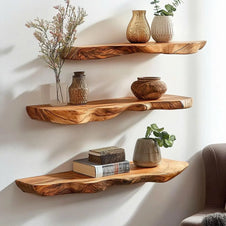
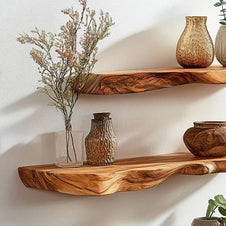
Floating wood shelves
Floating wood shelves are a practical way to add rustic charm while keeping the living room organized. Natural wood shelves can display books, plants, artwork, and handmade decorations without taking up floor space.
Choose reclaimed wood or unfinished timber for a more authentic look. These shelves work especially well above sofas, fireplaces, or entertainment areas, adding both function and visual warmth.
Gallery wall with vintage décor
A gallery wall can bring personality and storytelling into a rustic living room. Combine vintage artwork, family photos, antique signs, and natural materials to create a display full of character.
Use wooden frames, earthy colors, and different frame sizes to achieve a collected rustic look. This simple addition can make the room feel more personal while enhancing the cozy atmosphere.
Indoor plants for a natural touch
Indoor plants add freshness and natural beauty to rustic interiors. Greenery works especially well with wood furniture, neutral colors, and organic textures by bringing a sense of balance to the room.
Choose plants with different heights and textures, such as large floor plants, hanging plants, or small potted greenery. Combined with rustic décor, plants help create a relaxing space inspired by nature.
Mix reclaimed and modern furniture
Combining reclaimed wood furniture with modern pieces creates a balanced rustic living room with a contemporary feel. Reclaimed materials add history and texture, while modern furniture keeps the space clean and comfortable.
For example, pair a reclaimed wood coffee table with a simple modern sofa or combine vintage wooden cabinets with minimalist décor. This mix creates a unique interior that feels both timeless and current.
Open-concept rustic living room
Open-concept spaces are ideal for rustic design because they allow natural materials and architectural details to stand out. A connected living, dining, and kitchen area can create a warm environment for gathering and entertaining.
Use consistent materials such as wood flooring, neutral colors, and matching furniture finishes to create visual harmony. A large rustic coffee table or statement lighting fixture can help define the living room area.
Small rustic living room ideas
A small rustic living room can still feel cozy and stylish with the right design choices. Focus on multifunctional furniture, light colors, and simple rustic accents to avoid making the space feel crowded.
Choose a compact wood coffee table, floating shelves, and furniture with clean lines. Natural textures and warm lighting can add rustic charm while maintaining an open and comfortable atmosphere.
See more: How to Style a Live Edge Coffee Table: 6 Easy Decor Ideas
Rustic living room with large windows
Large windows enhance rustic interiors by connecting the indoor space with natural surroundings. They allow sunlight to highlight wood textures, earthy colors, and handcrafted furniture.
Keep window areas simple with light curtains or minimal treatments to preserve the open feeling. Pairing large windows with rustic materials creates a bright, peaceful living room inspired by nature.
Built-in wooden storage
Built-in wooden storage combines functionality with rustic style. Custom shelves, cabinets, and wall units made from natural wood can provide practical storage while adding architectural character.
Use built-in storage around fireplaces, entertainment areas, or empty walls to maximize space. Wooden finishes help maintain a warm and cohesive look throughout the living room.
Statement wooden coffee table
A statement wooden coffee table can become the centerpiece of a rustic living room by adding natural beauty and strong visual appeal. Pieces made from solid wood, reclaimed timber, or live edge slabs showcase unique grain patterns and bring warmth to the space.
Choose a coffee table that complements your sofa and overall design style. A large wooden table works well in spacious rooms, while a simpler design can add rustic character without overwhelming smaller spaces.
Rustic décor with black accents
Black accents add contrast and a modern touch to rustic living rooms. Elements like black metal legs, iron lighting fixtures, window frames, or decorative accessories can make natural wood tones stand out.
The combination of warm wood and dark details creates a balanced look that feels both rustic and contemporary. Use black accents sparingly to enhance the room without taking away from its cozy atmosphere.
Soft linen and cozy textiles
Soft textiles help create the comfortable feeling that defines a rustic living room. Linen curtains, cotton cushions, wool blankets, and woven throws add layers of warmth and texture.
Combine these materials with wooden furniture and neutral colors to create a relaxed environment. Natural fabrics not only improve comfort but also enhance the organic and timeless character of rustic design.
Rustic luxury living room
A rustic luxury living room combines the warmth of natural materials with elegant finishes and sophisticated details. High-quality wood furniture, premium fabrics, stone features, and carefully selected décor can create a refined yet comfortable atmosphere.
Focus on quality over quantity by choosing statement pieces such as a handcrafted coffee table, leather sofa, or custom wood accents. The result is a space that feels luxurious while maintaining the welcoming charm of rustic style.
Western-inspired rustic style
Western rustic design brings the spirit of countryside living into the home through rugged materials and earthy tones. Leather furniture, distressed wood, cowhide accents, and vintage accessories are common elements of this style.
To keep the look balanced, combine traditional Western details with simple layouts and modern comforts. A few carefully chosen rustic pieces can create a warm and authentic living room without feeling themed or outdated.
Seasonal rustic decorating ideas
Seasonal décor can refresh a rustic living room while keeping its natural charm. During fall, add warm blankets, dried flowers, pumpkins, and earthy colors. In winter, focus on soft textiles, candles, and cozy layers.
The key is choosing decorations that complement existing rustic elements. Natural materials such as wood, linen, greenery, and handmade accessories can easily adapt to different seasons.
Minimalist rustic living room
A minimalist rustic living room focuses on simplicity, functionality, and natural beauty. Instead of filling the space with many decorations, choose a few meaningful pieces made from quality materials.
Neutral colors, clean furniture lines, and natural wood accents create a calm and uncluttered atmosphere. A simple wood coffee table, comfortable sofa, and subtle rustic details are enough to achieve a stylish minimalist look.
Personalize with handcrafted details
Handcrafted details make a rustic living room feel unique and personal. Handmade wooden furniture, artisan décor, custom artwork, and family heirlooms can add character that mass-produced items cannot provide.
Small details such as a custom wood shelf, handmade pottery, or a unique coffee table can transform the room into a space that reflects your personality. Rustic design is ultimately about creating a warm environment with pieces that tell a story.
These rustic living room ideas show how natural materials, cozy textures, and timeless furniture can transform your space into a warm and inviting retreat. Whether you prefer modern rustic, farmhouse, or minimalist styles, combining wood elements, comfortable fabrics, and personal touches can help you create a living room that feels both stylish and unique.
Monkeypod wood is known for its warm brown tones, expressive grain, and large, naturally distinctive boards. Often used for furniture, tables, decorative pieces, and woodworking projects, it offers a balance of visual appeal and practical performance. If you're considering monkeypod for furniture, understanding its appearance, durability, common uses, and care requirements can help you decide whether it fits your space and lifestyle.
What Is Monkeypod Wood?
Monkeypod wood comes from several species in the Samanea genus, with Samanea saman being the species most commonly associated with the name. The tree is native to tropical regions of the Americas and is now widely grown in parts of Southeast Asia and other warm climates.
The wood is valued primarily for its distinctive appearance and the ability to produce wide boards. Unlike many temperate hardwoods that are limited by narrower trunk sizes, mature monkeypod trees can produce large slabs that work particularly well for dining tables, coffee tables, benches, and other statement furniture.
Monkeypod is generally classified as a hardwood, but it is not as hard or dense as species such as hard maple or many oak varieties. This gives it a useful balance: it is substantial enough for furniture while remaining relatively workable for cutting, shaping, sanding, and finishing.
One of its most appealing qualities is its natural character. Depending on the tree and board, monkeypod may contain contrasting colors, irregular grain, knots, mineral streaks, and other features that make each piece visually different.
What Does Monkeypod Wood Look Like?
Monkeypod wood is usually recognized by its warm, natural color and highly varied grain. The heartwood can range from golden brown and medium brown to darker reddish-brown tones, while the sapwood is typically lighter.
Its grain is often straight to interlocked, but individual boards can show waves, curls, swirls, or irregular patterns. This variation becomes especially noticeable when monkeypod is cut into wide slabs or live-edge pieces.
Another defining feature is the contrast between different parts of the board. Darker streaks, knots, and changes in grain direction can create a dramatic surface without requiring a heavily stained finish.
For furniture, this means monkeypod works particularly well when the natural wood is intended to be part of the design. A large monkeypod tabletop, for example, can serve as a visual focal point because its grain pattern and live edge give the piece a one-of-a-kind appearance.
The final color also depends on the finish. A clear finish generally preserves the wood's natural character, while oils and darker finishes can make the grain appear richer and more pronounced.
Is Monkeypod Wood Durable?
Monkeypod is durable enough for many indoor furniture applications, but it should not be confused with one of the hardest hardwood species.
Its moderate hardness makes it suitable for tables, benches, cabinets, shelves, and decorative furniture. At the same time, its relatively workable surface means it can be more susceptible to dents and scratches than harder woods such as hard maple.
This is not necessarily a disadvantage. For many furniture applications, a balance between strength, stability, workability, and appearance is more important than maximum hardness.
Proper drying and construction also play an important role in long-term performance. Like other natural wood products, monkeypod responds to changes in moisture and humidity. Well-seasoned wood and a properly applied finish can help reduce problems associated with excessive moisture movement.
What are the benefits of monkeypod wood?
Monkeypod offers several advantages that make it attractive for furniture and woodworking:
Distinctive appearance: Its varied grain, warm color, knots, and natural markings give each board a unique character.
Wide boards: Large trees can produce broad slabs that are useful for statement tables and other oversized furniture.
Good workability: Monkeypod can generally be cut, shaped, sanded, and finished without the difficulty associated with very hard woods.
Suitable for furniture: Its combination of moderate durability and attractive appearance makes it practical for many indoor applications.
Natural versatility: It works well with rustic, tropical, contemporary, and other interior styles.
Strong visual appeal: The grain is often interesting enough to remain visible beneath a relatively simple finish.
What Is Monkeypod Wood Used For?
Monkeypod wood is used for both functional furniture and decorative woodworking. Its ability to produce wide boards is particularly valuable when a design calls for a large, uninterrupted wood surface.
Furniture
Monkeypod is commonly used for dining tables, coffee tables, benches, desks, side tables, chairs, and cabinets. Large slabs are especially popular for statement pieces where the natural edge and grain are meant to remain visible.
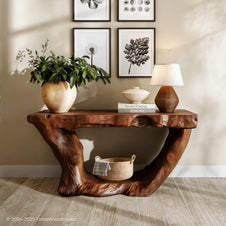
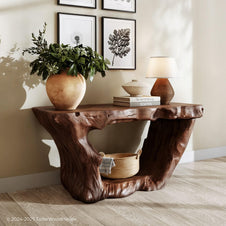
If you are looking for oak wood furniture, please take a look at our Monkeypod Live Edge Coffee Table with Black Metal Legs
Live edge tables
The broad trunks and attractive natural edges of monkeypod make it a popular choice for live edge furniture. A live edge monkeypod table can highlight the original contours of the tree while preserving knots, grain variation, and other natural features. Check out our live edge coffee table designs now.
Cabinetry and shelving
Monkeypod can also be used for cabinets, shelving, and built-in furniture. Its warm color works particularly well when paired with neutral finishes, natural materials, metal, or other wood species.
Decorative and woodworking projects
Smaller pieces can be turned into bowls, serving boards, trays, boxes, sculptures, and other decorative objects. Its distinctive grain allows relatively simple designs to have a strong visual presence.
How to Care for Monkeypod Wood Furniture
Monkeypod furniture is relatively straightforward to maintain when the correct care routine is matched to its finish. The goal is to control moisture, protect the surface, and avoid conditions that can cause unnecessary movement or damage.
For everyday cleaning
Use a soft, dry or slightly damp cloth to remove dust and everyday dirt. If something spills, wipe it up promptly rather than allowing liquid to remain on the surface.
Avoid abrasive sponges and strong household cleaners unless the manufacturer specifically recommends them for the finish.
Protect the surface
Use coasters under drinks and trivets under hot dishes. For dining tables and coffee tables, placemats or protective pads can also reduce the chance of scratches, stains, and heat marks.
Because monkeypod is not among the hardest hardwoods, these simple precautions are particularly useful for high-use surfaces.
Avoid excessive sunlight and moisture
Prolonged exposure to direct sunlight can gradually change the color of natural wood. Sudden or repeated changes in humidity can also cause wood to expand and contract.
Whenever possible, keep monkeypod furniture away from strong heat sources and areas with persistent moisture.
Maintain the finish correctly
The appropriate maintenance depends on whether the furniture has been finished with oil, wax, lacquer, polyurethane, or another protective coating. Do not automatically apply furniture oil simply because the piece is made from natural wood.
If the finish becomes worn, follow the manufacturer's recommendations for cleaning, refinishing, or re-oiling.
Can monkeypod wood be refinished?
Yes. Monkeypod can generally be sanded and refinished when the existing surface becomes worn or damaged. However, the correct process depends on the type and condition of the original finish.
For valuable or heavily damaged furniture, professional refinishing can help preserve the wood while avoiding unnecessary removal of the original surface.
If you're comparing walnut with other popular hardwoods, explore cherry wood , walnut wood, ash wood and maple wood to see how their color, grain, and durability differ.
Is Monkeypod Wood a Good Choice for Furniture?
Monkeypod can be an excellent choice if you value natural character, large wood surfaces, and a distinctive appearance more than maximum hardness.
It is particularly well suited to coffee tables, dining tables, benches, desks, and live edge furniture where the grain and natural edge can become part of the design. Its moderate durability makes it practical for normal indoor use, while its wide boards allow furniture makers to create pieces that would be difficult to achieve with narrower lumber.
The main consideration is that monkeypod can dent and scratch more easily than harder hardwoods. If you are comfortable with a natural material that may develop small signs of use over time, those marks can become part of the furniture's character rather than a flaw.
For buyers, the quality of the individual slab also matters. Look for properly dried wood, sound construction, an appropriate finish, and a design that suits the intended use.
In the right application, monkeypod offers a compelling combination of natural beauty, workable performance, wide slabs, and one-of-a-kind character.
Oak wood is a popular hardwood known for its strength, durability, distinctive grain, and timeless appearance. From solid wood furniture and flooring to statement pieces like a live edge coffee table, oak offers a versatile combination of natural beauty and everyday performance. In this guide, we’ll explore the characteristics, types, uses, and care of oak wood to help you understand whether it’s the right choice for your furniture or woodworking project.
What Is Oak Wood?
Oak wood is a hardwood harvested from oak trees in the Quercus genus, a large group of trees found across North America, Europe, and parts of Asia. It has been used for centuries in furniture, flooring, cabinetry, barrels, boats, and other woodworking applications.
Known for its strength, durability, and distinctive grain, oak wood works well in both traditional and contemporary interiors. Its natural appearance can range from light beige and tan to warm brown and reddish tones, while its pronounced grain gives furniture a recognizable character.
Characteristics of Oak Wood
Oak wood is popular because it combines attractive appearance with practical performance. Its most notable characteristics include a pronounced grain, good hardness, reliable durability, and the ability to accept a wide range of finishes.
Oak Wood Color
The natural color of oak wood varies depending on the species and the part of the tree from which it is cut.
White oak typically has a light tan, beige, or pale brown appearance, sometimes with subtle gray or olive undertones. Red oak generally has warmer pink, salmon, or reddish-brown tones. However, color alone is not always enough to identify an oak species because lighting, finishing products, and natural variation can significantly affect its appearance.
Oak also contains both heartwood and sapwood. The heartwood is usually darker and more mature, while the sapwood tends to be lighter. When finished with a clear coat, oak retains much of its natural character, while stains can create anything from a subtle warm finish to a much darker appearance.
Oak Wood Grain Pattern
One of the easiest ways to recognize oak is by its distinctive grain pattern. Oak is generally straight-grained and has a relatively coarse texture, giving finished surfaces a noticeable visual and tactile character.
The grain can appear differently depending on how the lumber is sawn. Flat-sawn oak may display broad, flowing patterns, while quarter-sawn oak can reveal prominent medullary rays, sometimes called ray fleck. These natural variations make oak particularly appealing for furniture where the wood itself is intended to be part of the design.
For products such as a live edge coffee table, the natural grain can become even more visually prominent because the irregular edge and slab shape preserve more of the tree's original character.
Oak Wood Hardness and Density
Oak is considered a relatively hard and dense hardwood, which contributes to its ability to withstand everyday use.
On the Janka hardness scale, red oak typically measures around 1,290 lbf, while white oak is around 1,360 lbf. The Janka test measures the force required to embed a steel ball into the wood, providing a useful way to compare the hardness of different species.
Oak Wood Durability
Oak wood is valued for its long service life when properly dried, constructed, finished, and maintained. Its hardness and strong cellular structure allow it to handle everyday impacts and surface wear better than many softer woods.
White oak generally offers better resistance to moisture than red oak because of differences in its pore structure. However, neither type should be considered completely waterproof. Prolonged exposure to moisture, sunlight, or changing humidity can eventually cause wood to swell, shrink, crack, or deteriorate.
How Oak Wood Changes Color Over Time
Like many natural woods, oak can gradually change appearance as it ages. Exposure to oxygen, sunlight, and the type of finish used on the surface can influence this process.
White oak often develops warmer, more amber tones over time, while the change in red oak can be influenced by its naturally warmer color. The transformation is usually gradual rather than dramatic, but it can become noticeable when a new piece of furniture is placed beside an older matching piece.
Keeping oak furniture away from prolonged direct sunlight can help reduce uneven color changes.
Types of Oak Wood
There are many oak species, but only a smaller group is commonly used for furniture, flooring, cabinetry, and other woodworking projects. The two most important categories for furniture buyers are white oak and red oak.
White Oak
White oak generally has a light beige to medium brown color with a relatively straight, attractive grain. It is known for its strength, hardness, and comparatively good resistance to moisture.
Its closed-pore characteristics make white oak a popular choice for flooring, cabinets, dining tables, barrels, and high-quality furniture. It also works particularly well with natural or lightly tinted finishes that allow the grain to remain visible.
For furniture where a clean, sophisticated appearance is desired, white oak can work equally well in modern, minimalist, rustic, and natural interior styles.
Red Oak
Red oak is typically warmer in color, with pink, salmon, and reddish-brown undertones. Its grain tends to be pronounced, giving furniture a more traditional and visually active appearance.
It is hard, strong, readily available, and generally easy to machine and finish. These qualities have made red oak furniture, flooring, cabinetry, and millwork popular choices for decades.
Compared with white oak, red oak has more open pores and generally offers lower resistance to moisture. For this reason, white oak is usually the better choice when moisture exposure is an important consideration.
Other Common Oak Species
Beyond red and white oak, many other species are found throughout different regions. Examples include black oak, scarlet oak, swamp white oak, bur oak, and live oak.
Their appearance and performance can vary considerably. For furniture projects, the specific species matters because properties such as color, hardness, grain, moisture resistance, and availability are not identical across all oak trees.
Is Oak a Hardwood or Softwood?
Oak is a hardwood. Botanically, oak trees belong to the angiosperm group, which includes flowering plants that produce seeds enclosed within fruits. This differs from softwood species such as pine, fir, and spruce, which belong to the gymnosperm group.
The terms hardwood and softwood describe botanical classification rather than simply how hard a particular piece of lumber feels. Nevertheless, many commonly used hardwoods, including oak, are valued for their strength and resistance to everyday wear.
Is Oak Wood Suitable for Outdoor Use?
Oak can be used for some outdoor applications, but it is not naturally maintenance-free. White oak is generally more suitable for outdoor use than red oak because its structure provides better resistance to moisture penetration.
Even so, outdoor oak furniture is exposed to rain, humidity, temperature fluctuations, and ultraviolet radiation. Without adequate protection, these conditions can cause fading, surface checking, cracking, and eventually decay.
If you plan to use oak outdoors, choose appropriately dried and finished wood, apply a suitable exterior protective coating, and inspect the furniture regularly. For an indoor oak wood coffee table, outdoor exposure should be avoided unless the product has specifically been designed and finished for exterior conditions.
If you are looking for oak wood furniture, please take a look at our Oak Live Edge Coffee Table with Curved Wooden Legs
What to Look for When Buying Oak Furniture
Not all oak furniture offers the same level of quality. Before purchasing, look beyond the word "oak" and consider how the furniture is actually constructed.
Solid Oak vs. Oak Veneer
Solid oak furniture is made primarily from oak lumber, while oak veneer consists of a thin layer of oak applied over another material. Veneer is not necessarily poor quality, but buyers should know which construction they are purchasing.
Wood Species
Ask whether the furniture is made from red oak, white oak, or another oak species. The choice can affect the color, grain, moisture resistance, and overall appearance.
Construction Quality
Check the thickness of the wood, joinery, stability of the frame, and quality of the hardware. Well-made oak furniture should feel solid and properly assembled rather than simply looking attractive on the surface.
Finish
A quality finish should complement the natural grain while providing appropriate protection for the intended environment. For a live edge oak coffee table, pay particular attention to how the slab and natural edge have been sealed and finished.
Natural Variation
Natural oak is not perfectly uniform. Differences in grain direction, knots, color, and figure are normal characteristics of real wood rather than signs of a defect. In fact, these variations are often what give solid oak furniture its individuality.
If you're comparing walnut with other popular hardwoods, explore cherry wood , walnut wood and maple wood to see how their color, grain, and durability differ.
How to Care for Oak Wood Furniture
Proper care can help oak furniture maintain its appearance and structural integrity for many years. The exact maintenance routine depends on the finish applied to the wood, so always follow the manufacturer's care instructions when available.
Dust regularly: Use a soft, dry or slightly damp cloth to remove dust and surface debris.
Clean spills quickly: Wipe up water, food, and other liquids before they have time to penetrate the finish.
Avoid harsh cleaners: Strong chemicals, abrasive products, and unsuitable commercial polishes can damage certain wood finishes.
Protect the surface: Use coasters, placemats, and protective pads on tables and other frequently used surfaces.
Limit direct sunlight: Prolonged UV exposure can gradually change the color of natural oak.
Control indoor humidity: Large fluctuations in humidity can cause natural wood to expand and contract.
Follow the finish requirements: Oil, wax, lacquer, polyurethane, and other finishes can have very different maintenance needs.
With the right care, oak wood furniture can retain its natural grain, warmth, and strength for decades. Its combination of durability and distinctive character is one reason oak remains a dependable choice for everything from everyday household furniture to statement pieces such as live edge tables.
Walnut wood is a popular choice for furniture and fine woodworking because of its rich color, distinctive grain, durability, and natural elegance. From deep brown tables to detailed cabinetry, walnut brings warmth and character to both traditional and contemporary interiors. Understanding its appearance, performance, uses, and care can help you decide whether walnut is the right wood for your furniture.
What Is Walnut Wood?
Walnut wood comes from walnut trees in the Juglans genus, with Eastern Black Walnut (Juglans nigra) being one of the most widely used varieties for furniture and woodworking in North America. It is valued for its attractive appearance, good dimensional stability, and relatively easy workability.
Walnut typically has a darker heartwood surrounded by lighter sapwood. This natural contrast gives each board its own character, while the wood's smooth texture allows it to take stains, oils, and clear finishes beautifully.
Because of its combination of appearance and performance, walnut is often chosen for high-quality furniture where the natural wood itself is intended to be a focal point.
Key Features of Walnut Wood
Walnut has several characteristics that make it particularly well suited to furniture and interior woodworking:
Rich natural color: Its heartwood commonly ranges from medium brown to deep chocolate, sometimes with gray, purple, or reddish undertones.
Distinctive grain: The grain is usually straight, although waves, curls, and other natural variations can occur.
Good durability: Walnut is hard and durable enough for everyday furniture while remaining relatively easy for woodworkers to shape and finish.
Dimensional stability: Properly dried walnut tends to remain reasonably stable as temperature and humidity change.
Smooth texture: Its fine texture creates an attractive surface when sanded and finished properly.
Good workability: Walnut can be cut, shaped, glued, and finished effectively, making it a versatile material for custom furniture.
What Does Walnut Wood Look Like?
Walnut is best known for its warm, sophisticated appearance. The heartwood is generally brown and can range from lighter brown to a deep chocolate tone, with subtle gray, purple, or reddish hues depending on the tree and board.
The sapwood is considerably lighter and may appear cream, pale yellow, or light gray. Some furniture makers preserve this natural contrast, while others select or process boards to create a more consistent appearance.
Walnut grain is typically straight, but individual boards may contain waves, curls, or other figured patterns. This variation means two walnut pieces can look noticeably different even when they come from the same species.
Over time, walnut can also change in appearance. Light exposure and the type of finish used can gradually alter its tone, often producing a softer, warmer look as the furniture ages.
Is Walnut a Hardwood?
Yes. Walnut is a hardwood, meaning it comes from a broadleaf flowering tree rather than a conifer.
Eastern Black Walnut has a Janka hardness rating of roughly 1,010 lbf, giving it a good balance between hardness and workability. It is durable enough for everyday furniture but is not so hard that it becomes difficult to machine or shape.
However, hardwood does not mean scratch-proof. Walnut furniture can still develop dents, scratches, and surface marks from heavy use or sharp objects. Using suitable finishes and basic care can help preserve the surface for many years.
Is Walnut Wood Good for Furniture?
Walnut is an excellent choice for furniture, particularly for indoor pieces where appearance, durability, and longevity are important.
Its deep natural color and varied grain give furniture a distinctive look without requiring heavy staining. Walnut also offers good dimensional stability, which helps properly constructed furniture maintain its shape under normal indoor conditions.
Advantages of walnut furniture
Rich, natural appearance
Durable enough for everyday use
Attractive grain variation
Good dimensional stability
Relatively easy to work with
Suitable for modern, traditional, and rustic interiors
Things to consider
Walnut is generally more expensive than many common furniture woods, and its softer surface compared with some harder hardwoods means it can still be scratched or dented. Its natural color may also vary considerably from one board to another.
Overall, walnut is especially well suited to coffee tables, dining tables, cabinets, desks, bed frames, and other quality indoor furniture where the wood's natural character can be appreciated.
If you are looking for walnut wood furniture, please take a look at our Walnut Live Edge Coffee Table with Block Pedestal Legs
Common Uses of Walnut Wood
Walnut is used across a wide range of woodworking and furniture applications. Its combination of strength, workability, and attractive grain makes it suitable for both functional and decorative pieces.
Common applications include:
Furniture: Coffee tables, dining tables, desks, chairs, bed frames, and cabinets
Cabinetry: Kitchen cabinets, built-ins, and custom storage
Flooring: Selected for its distinctive appearance and durability
Veneer: Used to create walnut surfaces while reducing the amount of solid wood required
Decorative woodworking: Bowls, boxes, carvings, and other handcrafted pieces
Specialty woodworking: Small components and projects where natural color and grain are important
How to Identify Genuine Walnut Wood
Identifying walnut furniture by appearance alone can be difficult because stains and other wood species can imitate its dark brown color. Still, several characteristics can provide useful clues.
Look at the color. Genuine walnut often has natural variation rather than a completely uniform brown surface. The heartwood may range from medium brown to dark chocolate, while sapwood can be much lighter.
Examine the grain. Walnut commonly has a relatively straight grain, although waves and curls are possible. Natural variation between boards is another useful indicator.
Check whether it is solid walnut or veneer. A piece described as "walnut" may use solid walnut, walnut veneer, or another wood finished to resemble walnut. Check the product specifications rather than relying only on the color.
Consider the construction and documentation. A reputable furniture maker should be able to tell you the wood species, whether the piece is solid or veneered, and what finish has been applied.
How to Maintain Walnut Wood Furniture
Proper care helps walnut furniture retain its appearance and finish over time. The exact maintenance routine depends on whether the surface is oiled, waxed, lacquered, or finished with another protective coating.
For routine care:
Dust regularly with a soft, clean cloth.
Wipe spills promptly rather than allowing moisture to sit on the surface.
Avoid abrasive or harsh household cleaners unless they are specifically recommended for the finish.
Use coasters, placemats, and protective pads where appropriate.
Keep furniture away from prolonged direct sunlight and extreme temperature changes.
Re-oil furniture only when the existing finish is designed for oil maintenance.
What to Consider When Buying Walnut Furniture
When shopping for walnut furniture, look beyond the color. A dark brown finish does not necessarily mean the piece is made from solid walnut.
Consider these factors before buying:
Wood type: Confirm whether the furniture uses solid walnut, walnut veneer, or another wood with a walnut-colored finish.
Wood quality: Look for consistent construction, attractive grain, and boards that are properly prepared and finished.
Craftsmanship: Pay attention to joinery, structural strength, surface preparation, and overall build quality.
Finish: Understand whether the surface is oil-finished, lacquered, or protected with another coating, as this affects both appearance and maintenance.
Moisture and stability: Properly dried wood is important for reducing movement and potential problems after the furniture enters your home.
Sourcing: If sustainability is important to you, ask where the walnut was sourced and whether responsible forestry practices or certification are involved.
Warranty and care requirements: A clear warranty and straightforward maintenance instructions can provide additional confidence in a long-term furniture purchase.
If you're comparing walnut with other popular hardwoods, explore cherry wood and maple wood to see how their color, grain, and durability differ.
Ultimately, the best walnut furniture combines quality wood, thoughtful design, solid construction, and an appropriate finish. When these elements come together, walnut can provide a distinctive natural appearance and dependable performance for many years.
 Skip to content