Your cart (0)
Your cart is empty
Tax included and shipping calculated at checkout
Recommended products

Drawer menu
Tax included and shipping calculated at checkout


Looking to build a coffee table that’s more than just practical? A live edge coffee table captures the organic beauty of real wood, transforming it into a unique centerpiece for your home. This guide teaches you how to make live edge coffee table that combines rustic character with intentional design. Whether you're a DIY enthusiast or a seasoned craftsman, you'll discover smart tips on how to make live edge coffee table choices - from selecting the perfect slab to applying the ideal finish - for a truly eye-catching result.
Learning how to make live edge coffee table isn’t just about woodworking - it’s about bringing personal artistry and character into your home. These tables are inherently unique, offering far more than just a spot to set your coffee cup.
More Than Furniture: A live edge coffee table is a functional piece of art. Its organic curves and imperfections showcase nature’s beauty in a way no factory-made piece ever could.
Fully Customizable: From choosing your slab to deciding how much edge to keep, what legs to use, and how to finish the surface, every choice is yours. It’s what makes learning how to make live edge coffee table so rewarding - you’re crafting something that’s truly your own.
 Your self-designed table, even a small one like this, enhances your space and perfectly serves your purpose.
Before diving into the build, having the right tools and materials is key to ensuring your how to make live edge coffee table project goes smoothly from start to finish.
The slab you choose is the soul of your coffee table, setting the tone for its entire design. In any guide on how to make live edge coffee table, slab selection is one of the most impactful decisions you’ll make.
Wood Species and Their Aesthetic Influence:
Light Woods (Maple, Ash, Poplar): Offer a bright, clean look that complements modern, Scandinavian, or minimalist styles.
Dark Woods (Walnut, Cherry, Dark Oak): Rich, warm tones ideal for rustic, industrial, or traditional interiors.
Grain Patterns: Opt for straight grains for a calm, sleek appearance, or go bold with dramatic swirls, burls, or crotch figures.
Choosing Shape and Size:
Clean, Straight Lines: Best for modern designs—choose slabs that allow for precise, minimal cuts while keeping at least one live edge.
Natural, Wavy Edges: Add organic character, great for rustic or boho aesthetics.
Unique Silhouettes: Irregular shapes or dramatic cut-outs can create a striking artistic impact.
Slab Thickness: A 2–3 inch slab adds bold presence, while 1.5–2 inch thickness feels sleeker and lighter.
Moisture Content: Always work with kiln-dried wood between 6–8% moisture content. Using wet wood can lead to cracking or warping—issues that can undermine your entire project.
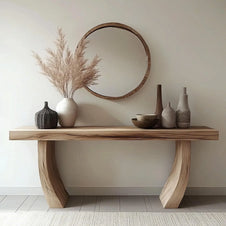
 If you're struggling with the shape or thickness for your coffee table, you can always just keep the wood slab's natural form. Your table will still look beautiful and unique, just like this one, and you'll save time deciding on a shape!
Understanding finish types is key when deciding how to make live edge coffee table projects that look polished and purposefully styled.
Matte vs. Glossy
The finish sheen plays a major role in your table’s aesthetic. Matte or satin finishes give a soft, refined look that works beautifully in modern interiors. Glossy finishes, on the other hand, enhance wood grain and light reflection but can feel a bit flashy in minimalist settings.
Stains, Oils, and Poly
Natural Oils (like tung or Danish oil): These deepen the wood’s color and grain, delivering a rich, hand-rubbed feel perfect for rustic or earthy modern styles.
Stains: Useful for adjusting the wood tone to match your room’s palette, especially when your slab isn’t the exact hue you want.
Polyurethane: Tough and protective, poly works well for everyday durability. Satin or matte versions complement a sleek, modern look.
Color Toning and Enhancing Grain
If you’re experimenting with how to make live edge coffee table surfaces stand out, try tinted oils or layered stains. Amber tones bring out warmth in light woods, while clear finishes add contrast and depth to darker slabs.
Your choice of legs isn’t just about stability - it’s a major visual decision in how to make live edge coffee table projects feel cohesive and intentional.
Choosing Between Metal and Wood
Metal Legs: Ideal for a clean, industrial edge. Great for balancing symmetrical slabs and sharp, clean finishes.
Wood Legs: Offer a more organic, unified look. Perfect for cozy, farmhouse-inspired interiors or when you want to match tones.
Shapes That Define a Look: Hairpins, Angled, or Block Legs
Hairpin Legs: Minimalist and airy, these pair well with sleek slabs and Scandinavian decor.
Angled Legs: Bring mid-century flair and work nicely with balanced proportions.
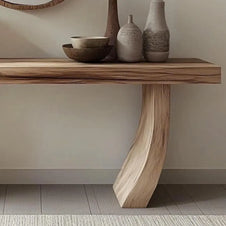
Block or Slab Legs: Best for a grounded, rustic look. Great for thick or highly textured slabs.
Balancing Tabletop and Base Aesthetics
Matching the visual weight of the slab and base creates harmony. A thick, live edge top needs a sturdy leg to anchor it, while slim tabletops look best with lighter, open frames. If you're still struggling to figure out which tabletop and base to combine, you can find ideas on DeCasa Collection.
Getting a stunning table like this means carefully choosing your wood, finish, and legs. It's worth spending extra time on these material selections.
You'll need a mix of power and hand tools.
Basic Power Tools: Orbital sander, drill, clamps.
Hand Tools & Consumables: Tape measure, pencil, chisel, wire brush, variety sandpaper pack (80-220 grit), wood filler, clean rags/applicators.
Safety First: Always wear eye protection, a dust mask, and gloves.
Getting started on your DIY journey? Here’s exactly how to make live edge coffee table projects that look beautiful and last for years. From slab prep to leg installation, every detail counts in creating a design-forward, sturdy piece.
Before anything else, start with a thorough surface cleaning. Wipe down the slab with a damp cloth and let it dry completely. If you're figuring out how to make live edge coffee table pieces with long-term durability, addressing the bark is essential. Use a chisel, scraper, or wire brush to remove flaky bark. For a rustic look, leave bark only if it’s firmly attached - just clean and seal it well.
A stable tabletop starts with a flat surface. If you’re exploring how to make live edge coffee table builds without advanced tools, try manual methods first. Use a level or straightedge to find high spots, then even them out with a hand plane or orbital sander. For more severe unevenness, make a DIY flattening jig using two 2x4s as rails and a belt sander or router sled to create a level plane across the slab.
Sanding transforms your raw slab into a table surface that feels as good as it looks. Start with 80-grit paper and move up to 220 or even 400 grit for ultra-smooth results. Pay close attention to the edges and underside. Clean between each sanding step with a vacuum and tack cloth - dust can sabotage your finish.
To achieve a polished finish, check for small holes or splits. If you want to maintain a natural look, mix your sawdust with wood glue to create a custom filler. Apply with a putty knife, slightly overfilling. Once dry, sand flush with the slab. Knowing how to make live edge coffee table surfaces flawless - even when using imperfect wood - is part of the craft.
The finish enhances wood grain and protects your table. Choose penetrating oils like Danish oil for a matte, tactile look, or film finishes like polyurethane for stronger, shinier coverage. Epoxy is ideal for high-gloss, modern pieces. Always apply thin, even coats in a well-ventilated area, with light sanding between coats if required.
Mark leg placement a few inches from each edge, drill pilot holes, and secure the legs using screws appropriate for your slab's thickness. For extra strength and warp resistance - especially on wider slabs - add C-channels or battens underneath.
 There you have it: a complete, hands-on guide to how to make live edge coffee table pieces that combine function, stability, and standout style. With a little time and attention to detail, you’ll create a coffee table that becomes the heart of your living space like this one.
Learning how to make a live edge coffee table is an incredibly rewarding journey that blends the satisfaction of DIY with the joy of creating a truly custom, stylish piece. From selecting the perfect slab to adding the final design touches, every decision contributes to a functional work of art that will enhance your living space. Embrace the process, personalize your design, and enjoy the beauty of a table crafted uniquely by you.


