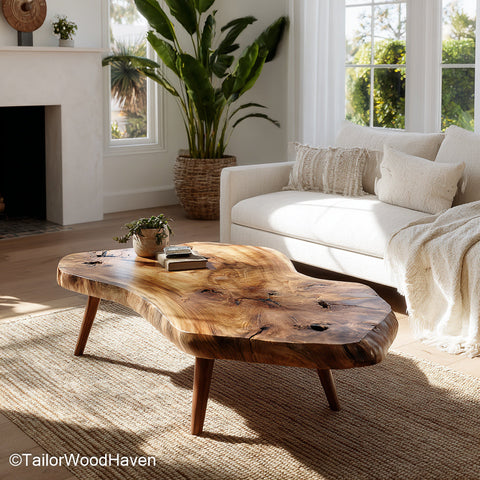
When comparing a cocktail table vs coffee table, you might expect two completely different types of furniture. However, the terms are often used interchangeably in modern furniture stores and interior design.
Both refer to a low table placed in front of or near a sofa or seating area. The main difference comes from their historical usage and traditional design associations rather than strict rules about size, height, or function.
So, is there any real difference between a cocktail table and a coffee table? Let's look at their origins, designs, and everyday uses to help you decide which one works best for your living room.
Are Cocktail Tables and Coffee Tables the Same?
In most modern homes, yes. A cocktail table and a coffee table serve the same basic purpose: providing a convenient surface in the living room for drinks, snacks, books, remote controls, and decorative items.
The term coffee table is more commonly used today, while cocktail table has a stronger connection to traditional furniture terminology and entertaining guests. Some retailers still use the two names to describe slightly different styles, but there is no universal design standard separating them.
In other words, you don't need to choose one based on its name. Focus on the table's shape, dimensions, material, and how it fits your seating area.

Cocktail Table vs Coffee Table: Key Differences
Although these terms often describe the same furniture, understanding their traditional associations can make shopping easier.
History and Origins of Cocktail Tables and Coffee Tables
The coffee table became popular as living rooms developed into comfortable spaces for sitting, relaxing, and socializing. Its low height made it convenient for placing coffee, books, and everyday essentials within easy reach.
Cocktail tables are traditionally associated with entertaining and serving drinks. The name reflects their connection to social gatherings, where guests could place cocktails and refreshments while chatting.
Over time, the distinction became less important. Today, furniture brands frequently use both terms for similar living room tables.

Cocktail Table vs Coffee Table: Shape and Design
Traditionally, cocktail tables were sometimes associated with more decorative designs, including elegant finishes and distinctive shapes. Coffee tables, on the other hand, became widely recognized as practical centerpieces for everyday living rooms.
However, modern furniture styles have blurred these differences. Both types are available in a wide range of designs, including:
-
Rectangular tables: A classic choice for most sofas and larger seating areas.
-
Round tables: Create a softer look and make it easier to move around the seating area.
-
Square tables: Work well with sectional sofas and compact seating arrangements.
-
Oval tables: Combine the length of a rectangular table with softer, rounded edges.
-
Live-edge tables: Showcase the natural contours and grain of solid wood for an organic look.
Material also plays an important role. Wood, metal, glass, and stone are all common choices. If you prefer natural materials and distinctive grain patterns, explore our wood coffee table collection for more design inspiration.
Size and Height: Are Cocktail Tables Different?
There is no standard size difference between cocktail tables and coffee tables. Both are generally designed to sit comfortably within reach of the surrounding seating.
A typical coffee table is around 16–18 inches tall, although the right height depends on your sofa. Ideally, the tabletop should be about the same height as the sofa seat or slightly lower.
Length and width also depend on your available space. A rectangular table often works well with a standard sofa, while a round or square design may suit smaller living rooms or sectional seating.
Rather than relying on the product name, check the actual dimensions before buying.

Function and Everyday Use
Both cocktail tables and coffee tables provide a central surface for everyday activities and entertaining.
You can use either one to:
-
Keep drinks, snacks, and everyday essentials within reach.
-
Display books, candles, trays, and decorative accessories.
-
Create a functional centerpiece for your living room.
-
Provide extra surface space when hosting guests.
The difference is mainly how people describe their intended use. Cocktail tables are traditionally linked to entertaining, while coffee tables are often associated with everyday relaxation. In practice, one table can easily serve both purposes.

How to Choose Between a Cocktail Table and Coffee Table
Since the names rarely indicate a meaningful functional difference, choosing the right table comes down to your room layout, seating, and personal style.
Consider Your Living Room Size
Start by measuring the available space between your sofa and other furniture. You should leave approximately 14–18 inches between the coffee table and sofa to allow comfortable movement while keeping items within reach.
For smaller living rooms, a round or oval table can make the layout feel less crowded. Larger spaces can accommodate wider rectangular or square designs without overwhelming the seating area.
Match the Table to Your Sofa
Your coffee table should complement the size and shape of your sofa.
A rectangular table pairs naturally with a standard three-seat sofa, while a square or round table can work well with an L-shaped sectional. If you have a large seating arrangement, choose a table with enough surface area for everyone to use comfortably.
The table should also be proportionate to your sofa. A common guideline is to choose one that is about two-thirds the length of the sofa.
For more practical tips, read our guide on how to choose a coffee table.

Choose the Right Shape and Material
Your choice of material and shape can influence both the appearance and functionality of your living room.
Wood is a popular option because it offers durability, warmth, and versatility. Solid wood coffee tables can complement farmhouse, rustic, traditional, and modern interiors depending on their finish and design.
For a more natural look, a live-edge wood table highlights the original shape of the slab. Glass and metal designs, meanwhile, can create a lighter and more contemporary feel.
If a traditional coffee table doesn't suit your space, you can also explore different coffee table alternatives to find a more practical solution.
Cocktail Table vs Coffee Table: Which One Should You Choose?
For most homeowners, there is no need to choose between a cocktail table and a coffee table based on the name alone. Both serve essentially the same purpose and can work equally well in a modern living room.
Instead, consider your room dimensions, sofa height, preferred design, and daily needs. A well-proportioned table made from the right material will be more useful and visually appealing than one chosen simply because it is labeled a cocktail table or coffee table.
Ultimately, choose the table that fits your space and complements your lifestyle.
When comparing a cocktail table vs coffee table, the difference matters less than finding a design that suits your living space. Both offer practical surfaces for everyday use and entertaining. Consider your sofa dimensions, room layout, and preferred materials to choose a table that balances functionality, comfort, and style.
 Skip to content


 Farmhouse Floating Shelves – Perfect handcrafted furniture
 Farmhouse Narrow Console Table with Storage for Entryway or Living Room
 Custom Rustic Console – Natural Wood, Made to Order