How to Pack Books for Moving: Tips for a Safe and Easy Move
Packing books for moving requires more care than simply placing them in boxes. Books can become damaged by moisture, excessive pressure, loose packing, or improper handling during transportation. The best way to pack books for moving is to sort your collection, choose small and sturdy boxes, protect delicate covers, and arrange books so they cannot shift during transit. Whether you are moving a few favorite novels or an entire home library, the right packing techniques can help keep your books organized and in good condition throughout the move.
1. Prepare Things To Pack Books For Moving
Before packing your books, gather the necessary materials to make the process easier and safer. Having everything ready helps prevent rushed packing and reduces the risk of damaging your collection. Here are the essential supplies you may need:
-
Small or medium cardboard boxes: Choose sturdy boxes that can support the weight of books without becoming difficult to carry.
-
Packing paper: Use clean packing paper to protect book covers and separate individual books when necessary.
-
Bubble wrap: Useful for protecting fragile, oversized, or valuable books.
-
Packing tape: Choose strong tape to secure the bottom and top of each box.
-
Permanent markers: Label boxes clearly to identify their contents and destination.
-
Plastic bags or moisture-resistant wrapping: Consider these for additional protection against accidental moisture, while ensuring books are completely dry before packing.
-
A soft cloth: Use it to remove dust from book covers before packing.
For valuable or antique books, consider using archival-quality materials and consulting a professional conservator if the books are particularly fragile.
Gather the necessary materials to make the process easier and safer
2. How to Pack Books for Moving Step by Step
Following a consistent packing process helps protect your books and makes unpacking easier. Instead of placing everything into boxes at once, organize your collection and prepare each box carefully.
Step 1 - Sort Your Books Before Packing
Start by reviewing your collection and deciding which books you want to move. Then separate your books into categories such as:
-
Books you want to keep and read regularly
-
Books you rarely use but want to preserve
-
Books you can donate, sell, or give away
-
Rare or valuable books that require additional protection
Sorting your books before packing reduces the number of boxes you need and makes it easier to organize your collection in your new home. You can also group books by genre, author, size, or room. For example, keeping cookbooks together and separating them from novels can make unpacking more convenient.
If you have books stored on multiple bookshelves, consider labeling each group according to its original location. This can help you recreate your existing bookshelf arrangement after moving.
Step 2 - Choose the Right Box
Choosing the right box is one of the most important steps when learning how to pack books for moving. Books are dense and can become surprisingly heavy when packed together. Large boxes may seem convenient, but they can become difficult to lift and may be more likely to break under excessive weight.
For most household books, small or medium-sized sturdy boxes are a practical choice. Look for boxes with strong bottoms and walls that can withstand the weight of the contents. Before packing, check that each box is:
Avoid using oversized boxes for heavy book collections. Instead, distribute your books across several smaller boxes to make transportation safer and more manageable. If you are moving a large collection, consider using specialized book-moving boxes designed to accommodate the weight and dimensions of books.
Choosing the right box is one of the most important steps
Step 3 - Protect Books Before Placing Them in Boxes
Books can experience scratches, bent corners, or damaged covers when they rub against one another during transportation. Before placing books into boxes, remove dust and inspect their condition. Make sure the books are completely dry and free from visible moisture.
For additional protection, you can consider these four ways:
-
Wrap particularly delicate books individually in clean packing paper.
-
Use bubble wrap for fragile or valuable books when appropriate.
-
Place protective material between books with delicate covers.
-
Keep books away from liquids, cleaning products, and damp packing materials.
For rare, collectible, or antique books, use suitable archival materials and avoid direct contact with potentially damaging materials. If the book has significant historical or monetary value, professional packing advice may be worthwhile.
Step 4 - Arrange Books Properly Inside the Box
The way you arrange books inside a box can significantly affect how well they withstand transportation. There are three common packing orientations:
-
Upright: Place books vertically with their spines facing the sides of the box, similar to how they sit on a bookshelf. Make sure they are supported and not packed too tightly.
-
Flat: Stack books horizontally with their covers facing upward. This can be useful for books of similar size, particularly when you want to avoid placing pressure on delicate spines.
-
Spine-down: Some books may be placed with their spines facing downward, provided they are supported and not forced into an awkward position.
Avoid placing books with their page edges facing downward if doing so could cause the pages to bend or become damaged. When arranging books, keep books of similar size together whenever possible. Avoid placing heavy books on top of smaller or fragile ones. The goal is to create a stable arrangement that prevents books from shifting while keeping pressure on their covers and bindings to a minimum.
The way you arrange books inside a box can significantly affect how well they withstand transportation
Step 5 - Fill Empty Spaces and Seal the Box
Once your books are arranged, check for empty spaces between them and around the sides of the box. Books that move around during transportation may develop bent corners, scratched covers, or damaged bindings. Use clean packing paper or other suitable cushioning materials to fill gaps. Avoid overfilling the box or forcing additional books into spaces that are already tightly packed.
Before sealing the box remember to:
-
Check that the books are supported and cannot move freely.
-
Make sure the box is not excessively heavy.
-
Close the flaps without applying unnecessary pressure.
-
Secure the bottom and top with strong packing tape.
-
Label the box with its contents and destination room.
For example, you can label a box “Living Room Books” or “Home Library - Fiction.” If the box contains fragile or valuable books, mark it accordingly and inform your movers about any special handling requirements.
See more: Home Library Ideas: 17 Ways to Create Your Own Reading Haven
3. How to Pack Different Types of Books
Not all books require the same packing approach. Their size, binding, condition, and value can influence how they should be handled during a move.
3.1 Pack Hardcover Books
Hardcover books have sturdy covers, but their bindings and corners can still be damaged during transportation. Before packing, group books of similar sizes together and inspect them for loose pages or fragile covers. Depending on their dimensions and condition, you can arrange them upright or flat inside the box.
Avoid placing hardcover books too tightly together, as excessive pressure may damage their covers or bindings. For larger editions, consider packing them flat and using clean packing paper to protect delicate surfaces. Keep heavy books away from smaller or more fragile volumes to prevent unnecessary pressure during the move.
Ways to pack hard cover books
3.2 Pack Paperback Books
Paperback books are generally lighter and more flexible than hardcover editions, but their covers can bend or develop creases easily. To protect them, group books of similar dimensions together and arrange them flat or upright with adequate support. Make sure the books fit comfortably inside the box without bending their covers.
When packing paperbacks with hardcover books, avoid placing them underneath heavier volumes that could damage their covers. You can also use clean packing paper to separate books with delicate surfaces and prevent friction during transportation. Fill any empty spaces to keep the books from shifting inside the box.
3.3 Pack Large or Heavy Books
Large and heavy books, such as art books, photography collections, and encyclopedias, require extra attention because of their weight and dimensions. Use smaller, sturdy boxes to keep the weight manageable and arrange oversized books flat whenever this provides better support. Avoid stacking too many heavy books together, as this can make boxes difficult to carry.
Protect the corners and covers with suitable cushioning materials, especially when packing books with delicate finishes. If a book is too large for a standard moving box, choose a suitable alternative rather than forcing it into an unsuitable container. Always check the box weight before sealing it to ensure it can be lifted safely.
Pack large or heavy books
3.4 Pack Rare or Valuable Books
Rare books, antique editions, signed copies, and collectible books may require specialized packing materials and additional protection. Before packing, inspect each book’s condition and consider using archival-quality materials to protect delicate covers and pages. Handle these books carefully and avoid exposing them to moisture, direct sunlight, or extreme temperatures.
For particularly valuable or fragile collections, professional conservation or packing advice may be worthwhile. Keep valuable books separate from heavy household items and clearly identify their boxes for careful handling. If your collection has significant financial value, consider documenting its condition and reviewing insurance coverage before the move.
4. Tips for Moving a Large Book Collection
Moving a large book collection can take considerable time, especially if you have books spread across multiple rooms or bookshelves.
The following tips can help make the process more manageable.
-
Start packing early. Begin with books you do not need immediately, such as reference books, seasonal reading materials, or books stored in guest rooms.
-
Create a packing inventory. Keep a simple list of the books or categories packed in each box. This can help you locate specific books after moving.
-
Label boxes consistently. Use clear labels that identify the contents and destination room. For example, separate boxes for bedroom books, office books, and living room collections.
-
Distribute weight evenly. Avoid putting all your heavy books into a single box. Spread them across several smaller boxes to make carrying easier.
-
Keep frequently used books accessible. Pack your everyday reading materials separately so you can find them quickly after arriving at your new home.
-
Protect books from moisture. Keep packed boxes away from damp floors, leaking areas, and weather exposure during transportation.
-
Coordinate with your moving company. If you are hiring professional movers, let them know which boxes contain fragile, antique, or valuable books.
-
Plan your new bookshelf arrangement. If you already know where your books will go, label boxes according to the destination bookshelf or room.
A little planning can help prevent unnecessary unpacking and make it easier to rebuild your home library.
5. How to Unpack and Organize Books After Moving
Once you arrive at your new home, unpacking your books carefully is just as important as packing them. Start by placing the boxes in their intended rooms. Avoid leaving them in damp areas or directly on the floor for extended periods.
Before unpacking, inspect the boxes for signs of moisture or damage. If any books appear wet, separate them from the rest of your collection and seek appropriate preservation advice.
If you are arranging a home library, consider organizing books by genre, author, color, or size depending on your preferences. For long-term storage, choose a location with stable temperature and humidity, away from direct sunlight and moisture.
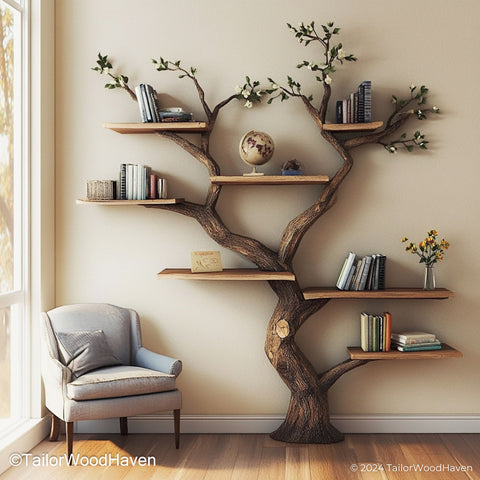
A well-organized bookshelf can also make your collection easier to maintain. Natural wood bookshelves, for example, can complement a home library while providing a practical place to display and store books. Tailor Wood Haven specializes in handcrafted, made-to-order wooden furniture and décor. If you are planning a new home library, exploring bookshelf designs and customized furniture options may help you create a space that fits your collection and interior style.
How to unpack and organize books after moving
6. Frequently Asked Questions
6.1 What Is the Best Box Size for Moving Books?
Small or medium-sized sturdy boxes are generally the most practical choice for moving books. Books are heavy, so smaller boxes help keep the weight manageable and reduce the risk of boxes breaking during transportation. Choose a box that fits your books comfortably without requiring excessive force to close it.
6.2 Should Books Be Packed Flat or Upright?
Books can be packed flat or upright, depending on their size, condition, and binding. Hardcover books are often suitable for upright packing when properly supported, while large or oversized books may be better packed flat. Avoid placing books in positions that put excessive pressure on their spines or cause their pages to bend.
6.3 How Do You Keep Books From Getting Damaged During a Move?
To protect books during a move, use sturdy boxes, appropriate packing materials, and a stable arrangement that prevents movement. Keep books dry, avoid overpacking, distribute weight across multiple boxes, and separate fragile or valuable books for additional protection. Label boxes clearly and keep them away from moisture during transportation.
Learning how to pack books for moving can help you protect your collection while making the moving process more organized and manageable. By sorting your books, choosing suitable boxes, protecting delicate covers, and arranging books carefully, you can reduce the risk of damage during transportation.
Once your books arrive safely, take the opportunity to create a reading space that reflects your personal style. With the right storage solutions and bookshelf arrangement, your collection can become an enjoyable part of your new home. Tailor Wood Haven offers handcrafted, made-to-order wooden furniture and décor for homeowners looking to create a warm and thoughtfully designed living space.
 Skip to content


 Farmhouse Floating Shelves – Perfect handcrafted furniture
 Farmhouse Narrow Console Table with Storage for Entryway or Living Room
 Custom Rustic Console – Natural Wood, Made to Order