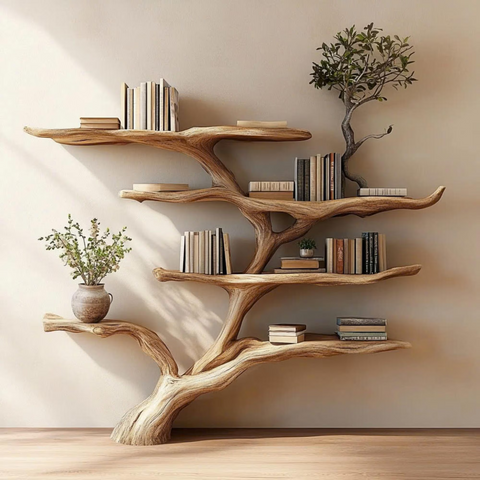
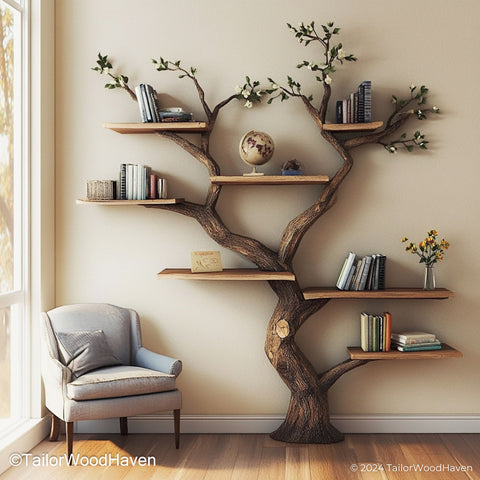
The right study room decor ideas can turn any study space into a functional and inviting environment. A well-planned layout, comfortable furniture, proper lighting, and practical storage solutions all contribute to better organization and productivity. Whether you're working with a spacious home office or a compact study corner, these 15 decorating ideas offer simple ways to create a space that supports concentration, creativity, and everyday comfort.
Why Does Study Room Decor Matter?
Study room decor matters because your surroundings influence how comfortable, organized, and focused you feel while working or studying. A well-arranged space with suitable furniture, lighting, and storage can help reduce distractions and make everyday tasks easier.
Beyond functionality, thoughtful decorations make a study room feel more personal and inviting. The key is to balance aesthetics with practicality by choosing elements that complement your interior style without creating unnecessary clutter.
Study room decor can make your room more inspiring
From furniture selection to creative storage, these study room decor ideas can help you create a space that feels both productive and visually appealing.
1. Choose a Desk That Fits Your Study Room
A suitable desk provides the foundation for a functional study room. Choose one that accommodates your daily activities, whether you need space for a laptop, notebooks, multiple monitors, or creative materials.
Consider the desk's dimensions, height, and storage options before purchasing. For smaller rooms, a compact desk placed against a wall can help maximize available space while keeping your working area organized.
2. Use a Tree Bookshelf as a Decorative Focal Point
A tree bookshelf adds artistic character to a study room while providing space for books and decorative objects. Its branch-inspired structure introduces organic shapes that contrast beautifully with traditional desks and rectangular furniture.
Place it beside your desk, near a reading corner, or against an uncluttered wall. Combine books with a few decorative accessories, leaving enough open space to highlight the bookshelf's distinctive design.
A tree bookshelf adds artistic character to a study room
3. Add Floating Shelves to Maximize Wall Space
Floating shelves provide additional storage without occupying valuable floor space. Install them above your desk or along an unused wall to keep books, stationery, and decorative accessories accessible.
Choose materials and finishes that complement your existing furniture. Natural wood introduces warmth, while white or neutral shelves create a lighter appearance. Always consider the weight of stored items and follow appropriate installation instructions.
4. Create a Natural Look With Wooden Furniture
Wooden furniture introduces warmth, texture, and character into a study room. A wooden desk, bookshelf, or side table can soften spaces dominated by electronic devices and neutral surfaces.
Pair natural wood tones with white walls, beige textiles, or muted green accessories for a balanced look. You can also combine wood with metal or glass to introduce subtle contrast while maintaining a cohesive interior.
5. Choose a Calming Color Palette
A balanced color palette helps establish a comfortable atmosphere in your study room. Soft neutrals, muted greens, warm beige, and light gray are versatile choices for creating a calm and inviting space.
For more visual interest, incorporate navy blue, forest green, or muted terracotta through furniture and accessories. Choose one main color and a few complementary shades to maintain harmony without overwhelming the room.
A balanced color palette helps establish a comfortable atmosphere
6. Add Task Lighting for Your Study Desk
Good lighting makes studying and working more comfortable. Combine natural daylight, general room lighting, and task lighting to illuminate different areas according to their purpose.
A desk lamp with adjustable positioning provides focused light for reading and writing. Place your desk near a window when possible, but avoid direct sunlight that may create glare on your computer screen.
7. Decorate Your Study Room Walls With Artwork
Artwork adds personality and visual interest without taking up floor space. Abstract prints, nature-inspired illustrations, photography, or meaningful quotes can complement your study room's overall design.
A large artwork above the desk creates a focal point, while a small gallery wall allows you to display several pieces together. Choose artwork that coordinates with your furniture and color palette without becoming visually distracting.
8. Bring Nature Indoors With Small Plants
Plants introduce natural color and texture, making a study room feel more welcoming. Small plants can sit on a desk, windowsill, or floating shelf, while larger plants may work well in spacious corners.
Choose plants according to the room's lighting conditions and your maintenance preferences. Decorative pots in ceramic, natural tones, or textured finishes can further complement your interior style.
Bring natural indoors with small plants
9. Create a Dedicated Reading Corner
A reading corner provides a comfortable alternative to your main desk for reading books or reviewing documents. Start with a suitable chair, a small side table, and convenient lighting.
Place a bookshelf nearby to keep your favorite titles accessible. For smaller rooms, consider a compact armchair or bench that fits the available space without making the area feel crowded.
10. Use a Pegboard for Flexible Storage
A pegboard offers flexible wall storage for stationery, office supplies, and small accessories. With hooks, containers, and small shelves, you can adjust the arrangement according to your needs.
Place it above or beside your desk to keep frequently used items within reach. Organize similar objects together and avoid displaying too many items, so the pegboard remains practical rather than cluttered.
11. Display Books in a Creative Arrangement
Books can serve as both functional resources and decorative elements. Arrange them by subject, author, size, or color depending on whether you prioritize accessibility or visual appeal.
Combine vertical books with a few horizontal stacks to create variation in height. Add selected decorative objects between book groups, but leave enough open space to keep the shelves balanced and easy to maintain.
Books can serve as both functional resources and decorative elements
12. Add a Pinboard or Inspiration Wall
A pinboard provides a convenient place to display notes, schedules, project references, photographs, and inspirational images. It also introduces a creative element into your study room.
Choose a corkboard, magnetic board, or fabric-covered design that complements your furniture. Place it near your desk and update the contents regularly to keep the display useful without becoming overwhelming.
13. Make a Small Study Room Feel More Spacious
A small study room can feel more open with appropriately sized furniture and thoughtful placement. Choose a compact desk, streamlined chair, and wall-mounted storage to preserve valuable floor space.
Light colors, mirrors, and vertical shelving can help create a brighter appearance. Keep decorations minimal and leave enough room to move comfortably, ensuring the space remains practical as well as visually appealing.
Make a small study room feel more spacious
14. Personalize the Space With Meaningful Accessories
Personal accessories make a study room feel connected to your interests and lifestyle. Photographs, travel souvenirs, artwork, or objects related to your hobbies can add character without requiring major design changes.
Choose a few meaningful pieces and display them on shelves, a pinboard, or a small section of your desk. Coordinate their colors and materials with the existing decor to create a personal yet cohesive space.
15. Combine Open Shelving With Closed Storage
Open shelving and closed storage work together to create a balanced study room. Open shelves are ideal for books and decorative objects, while drawers and cabinets keep stationery, cables, and documents out of sight.
Consider a desk with drawers, a bookshelf with cabinets, or a combination of floating shelves and storage units. This approach keeps everyday essentials accessible while maintaining a clean and organized appearance.
See more: Tree Bookshelf Feng Shui: How to Choose and Place the Right Bookshelf
How to Decorate a Small Study Room Without Creating Clutter
Decorating a small study room requires careful planning to make the most of every available space. Start with essential furniture, such as a desk, chair, and storage unit, then choose appropriately sized pieces that allow comfortable movement.
Use floating shelves, pegboards, and wall-mounted organizers to maximize vertical space. Keep your desk clear by storing unnecessary accessories in drawers, and choose a few meaningful decorations instead of filling every surface. A consistent color palette and simple furniture shapes can also help create visual continuity.
Decorate a small study room without creating clutter
Where to Buy Wooden Furniture for a Stylish Study Room
Wooden furniture brings warmth, texture, and timeless appeal to a study room. When choosing a piece, consider its material, craftsmanship, dimensions, finish, and compatibility with your existing interior.
Tailor Wood Haven offers handcrafted, made-to-order natural wood tree bookshelves for homeowners looking to create distinctive living spaces. Depending on the design and project requirements, customization may include dimensions, shapes, wood selection, or finishes.
Explore Tailor Wood Haven to discover natural wood furniture and consider how handcrafted pieces can complement your study room's style and storage needs.
Adding wooden furniture can make your room feel more stylish
Frequently Asked Questions About Study Room Decor Ideas
1. What Should You Avoid When Decorating a Study Room?
Avoid overcrowding your study room with oversized furniture, excessive decorations, or unnecessary storage. These elements can restrict movement and make the workspace feel cluttered.
Instead, prioritize essential furniture, practical storage, suitable lighting, and a balanced color palette. Measure your room before purchasing furniture and ensure each item contributes to either functionality or visual appeal.
2. What Is the Best Lighting for a Study Room?
The best study room lighting combines natural daylight, general room lighting, and task lighting. Natural light can make the space feel brighter, while a desk lamp provides focused illumination for reading and writing.
Choose adjustable lighting that suits your activities and position lamps carefully to reduce glare and unwanted shadows.
3. How Can You Make a Study Room Feel More Personal?
Incorporate meaningful artwork, photographs, books, plants, and accessories that reflect your interests. A bookshelf, pinboard, or small display area can provide space for these personal touches.
You can also personalize the room through furniture materials and finishes. Natural wood furniture, for example, adds warmth and character while complementing different interior styles.
Creating a stylish and productive study room does not require a complete renovation. The right desk, thoughtful lighting, practical storage, and carefully selected decorations can transform your space into a comfortable environment for studying, reading, and working.
These study room decor ideas show how small design choices can make a meaningful difference. From incorporating a tree bookshelf and natural wood furniture to creating a reading corner, each element can contribute to a more functional and personalized interior.
Focus on what works for your space, daily routine, and personal style. For a natural and personalized touch, explore handcrafted wooden furniture from Tailor Wood Haven and discover ways to bring warmth and character into your study room.
 Skip to content


 Farmhouse Floating Shelves – Perfect handcrafted furniture
 Farmhouse Narrow Console Table with Storage for Entryway or Living Room
 Custom Rustic Console – Natural Wood, Made to Order