 Skip to content
Your cart (0)
Your cart is empty
Tax included and shipping calculated at checkout
Recommended products

Drawer menu
Tax included and shipping calculated at checkout
Your wishlist is empty.
Continue shopping


Rustic interior design creates a warm, relaxed atmosphere by bringing natural materials, earthy colors, organic textures, and timeworn details into the home. Rather than aiming for a perfectly polished look, rustic style celebrates the character of wood, stone, leather, linen, and other materials that feel authentic and lived-in.
Although rustic interiors are often associated with cabins and country homes, the style can work in almost any setting. A modern house or city apartment can feel rustic with the right combination of natural finishes, comfortable furniture, simple decor, and subtle signs of craftsmanship.
Rustic interior design is an approach to decorating that emphasizes natural beauty, simplicity, and comfort. Wood with visible grain, rough stone, aged metal, woven fabrics, and handmade pieces are commonly used to give a room warmth and character.
The style is less about following a strict design formula and more about choosing materials and furnishings that feel genuine. A reclaimed wood coffee table, exposed ceiling beams, a stone fireplace, or a worn leather chair can instantly add rustic character without making the entire room feel old-fashioned.
At its best, a rustic home feels comfortable rather than staged. Natural imperfections are part of the appeal, while practical furniture and understated decoration keep the space functional and inviting.

Natural materials are at the heart of rustic interiors. Solid wood, reclaimed timber, natural stone, leather, wool, linen, cotton, and woven fibers can all introduce warmth and visual depth.
Wood is particularly important because its grain, knots, variations, and natural imperfections give furniture and architectural details a distinctive character. Instead of covering every surface with a flawless finish, rustic design often allows the material itself to become part of the decoration.
Layering textures also keeps the room from feeling flat. Think of a chunky wool throw on a linen sofa, a textured rug beneath a solid wood coffee table, or rough stone paired with smooth wood.
Rustic color schemes usually take their cues from nature. Warm browns, beige, cream, taupe, muted green, terracotta, warm gray, and soft blue can create a grounded backdrop.
You do not need to avoid color altogether. Deep forest green, rusty red, or muted navy can work well as accents when balanced with natural wood and earthy neutrals.
A simple rule is to start with the dominant natural material in the room and build the palette around it. This makes the colors feel connected rather than randomly selected.

Rustic furniture should look inviting while serving a practical purpose. Sturdy wood tables, relaxed sofas, leather seating, benches, open shelving, and simple storage pieces are natural choices.
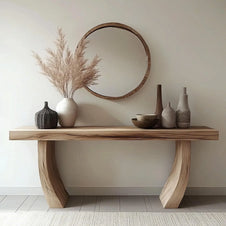
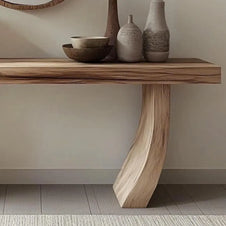
Look for furniture with visible craftsmanship rather than overly decorative shapes. A well-made rustic coffee table, for example, can become a focal point because its natural wood grain adds character without requiring additional ornamentation.
Mixing different wood tones can also make a rustic room feel more collected and authentic. The key is to keep the overall undertones compatible instead of making every piece match perfectly.

Handmade and one-of-a-kind objects give rustic interiors a more personal feel. Pottery, woven baskets, ironwork, vintage artwork, carved wood pieces, and handcrafted textiles can all work well.
Instead of filling every surface with decorations, choose a few meaningful pieces and give them room to stand out. A handmade ceramic vase on a dining table or an old wooden bench in an entryway can add more character than a collection of mass-produced accessories.
When a room already has architectural features such as exposed beams, brick, stone walls, wood floors, or a fireplace, let those elements do some of the visual work.
These details provide an authentic foundation for rustic decor. If the architecture is more contemporary, you can introduce the same feeling through reclaimed wood, textured walls, natural flooring, matte metal hardware, or rustic lighting fixtures.
The goal is not to make every surface look aged. A few strong natural details are often enough.
Start by looking at what the room already offers. Wood flooring, exposed brick, beams, stone, large windows, or an attractive view can become part of the design rather than something to hide.
If the space is completely modern, introduce natural character through furniture and finishes. A solid wood dining table, reclaimed wood shelving, or a natural stone accent can create warmth without requiring a major renovation.

Build your color palette around warm neutrals and earthy shades, then introduce texture through furniture, rugs, curtains, cushions, and throws.
Avoid making everything the same texture. Combining rough and smooth surfaces creates contrast and makes the room feel more layered. For example, pair a textured wool rug with a smooth leather sofa and a naturally finished wood table.
A rustic interior does not have to look like it belongs to another century. Mixing old and new pieces can actually make the design feel more balanced.
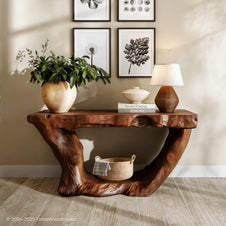
Try pairing a weathered wood table with contemporary chairs, a vintage cabinet with modern lighting, or a rustic live edge coffee table with a clean lined sofa. These contrasts prevent the room from becoming visually heavy while preserving its natural character.

Lighting has a major effect on the warmth of a rustic room. Use a combination of ceiling fixtures, table lamps, floor lamps, and accent lighting instead of relying on one bright overhead source.
Warm-toned lighting works particularly well with wood, leather, and earthy colors. Finish the space with simple decor such as ceramics, plants, woven baskets, artwork, or a few vintage finds.
Rustic style works best when it feels natural rather than overly themed. You do not need distressed furniture, antlers, barn doors, or farmhouse signs in every room.
Invest in durable furniture and timeless materials, then use smaller accessories to introduce personality. This approach makes it easier to update the room later without losing its rustic foundation.

A rustic living room should feel comfortable enough for everyday use. Start with a relaxed sofa, then add a natural wood live edge coffee table, textured rug, soft throws, and understated lighting.
A stone or brick fireplace can become a strong focal point, while exposed wood, leather accents, and woven textiles reinforce the natural aesthetic. For a modern rustic living room, combine these elements with simple silhouettes and a cleaner overall layout.
Looking for more ways to bring warmth and natural character into your space? Explore our Rustic Living Room Ideas for more furniture, layout, and decorating inspiration.

Natural wood cabinets, open shelving, stone countertops, and aged metal hardware can give a kitchen an unmistakably rustic feel.
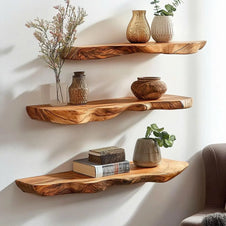
You can also create contrast by combining rustic furniture with a lighter wall color or contemporary appliances. Warm wood shelves are particularly useful for displaying ceramics, cookware, and everyday items without making the kitchen feel overly decorated.

Comfort should take priority in a rustic bedroom. Natural bedding, soft linen, wool blankets, wood furniture, and muted colors create a calm environment.
A simple wooden or iron bed frame can establish the foundation, while limewashed or textured walls add subtle depth. Keep patterns restrained and focus on materials that feel soft, natural, and comfortable.

Rustic bathrooms can combine practical modern fixtures with natural materials. Wood vanities, stone surfaces, aged metal hardware, woven baskets, and warm neutral colors are easy ways to introduce the style.
If real wood is not practical for a particular area, use durable materials that replicate its warmth and texture. The result should feel natural and relaxed while remaining easy to maintain.
Modern rustic combines the warmth of natural materials with the clean lines of contemporary interiors. Think solid wood, stone, leather, and textured fabrics alongside simple furniture and uncluttered layouts.
This approach is ideal if you want rustic character without creating a traditional country-style home.

Rustic farmhouse style brings together natural materials, practical furniture, and the relaxed character associated with country homes. Wood floors, shiplap, open shelving, vintage pieces, and simple textiles are common features.
Compared with a more traditional rustic interior, farmhouse spaces often use lighter colors and a brighter, more casual atmosphere.

Rustic industrial interiors combine raw natural materials with architectural elements such as exposed brick, concrete, metal, and reclaimed wood.
Leather seating, black or aged metal, warm timber, and simple lighting can soften the harder industrial elements and create a comfortable balance.
Rustic Scandinavian style combines the warmth and texture of rustic design with Scandinavian simplicity. Natural wood, soft textiles, muted colors, clean lines, and plenty of natural light are central to the look.
The result is generally lighter and more minimalist than traditional rustic interiors while still feeling warm and inviting.
Rustic coastal design combines weathered wood and natural textures with a relaxed coastal palette. Soft blues, sandy neutrals, white, woven materials, and organic furniture can create a casual seaside atmosphere.
Keep the decoration understated and let natural materials provide most of the visual interest.

A rustic home typically features natural materials, earthy colors, visible textures, practical furniture, and details that feel handcrafted or naturally aged. Wood, stone, leather, linen, and metal are commonly used to create a warm and authentic atmosphere.
Common rustic colors include warm brown, beige, cream, taupe, terracotta, olive or forest green, muted blue, and warm gray. These shades are usually inspired by natural landscapes and work well with exposed wood and stone.
Rustic design focuses broadly on natural materials, organic textures, simplicity, and a lived-in appearance. Farmhouse style has a more recognizable country-home influence and often incorporates lighter colors, shiplap, vintage furniture, and traditional farmhouse details.
Start with natural materials and warm colors. Add solid wood furniture, textured fabrics, woven accessories, vintage or handmade pieces, and warm lighting. You do not need to change everything; a few carefully chosen rustic elements can transform a modern room.
Common materials include solid wood, reclaimed wood, natural stone, leather, linen, wool, cotton, woven fibers, ceramic, and aged or matte metal. The emphasis is usually on materials that retain visible texture and natural variation.
Yes. Rustic interior design remains appealing because it creates spaces that feel warm, comfortable, and connected to natural materials. Modern interpretations also make the style easier to adapt to contemporary homes, apartments, and open-plan spaces.


