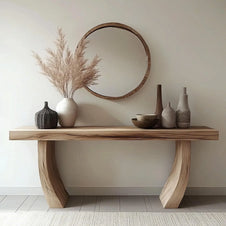
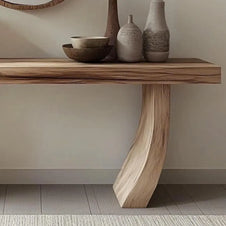
Don't Get It Wrong: The Essential Coffee Table Height Standard
Reading time: 6 mins
Article published at:
Aug 24, 2025
Duzng - Woodworking Artisan
Master woodworker with over a decade of experience, known for turning complex designs into stunning, functional works of art
Choosing the right coffee table height is about more than appearance. The right height makes everyday activities more comfortable, keeps your living room balanced, and ensures your table works well with your sofa. In this guide, you'll learn how to determine the ideal coffee table height, avoid common sizing mistakes, and choose a table that fits both your space and your lifestyle.
The Coffee Table Height Standard
While there isn't a single coffee table height that works for every home, most designs fall within a few common ranges that suit different seating styles and living room layouts. Choosing the right height isn't just about appearance it also affects how comfortable the table is to use every day. Below are the most common coffee table height options and where each one works best.
Standard height: Most coffee tables measure between 14 and 16 inches (35–40 cm) tall. This is the standard height for most living rooms because it pairs well with standard sofas and makes it easy to reach drinks, books, or decorative items. For the best balance, your coffee table should be about the same height as your sofa seat or slightly lower.
Low profile coffee tables: Tables that stand around 12 to 16 inches (30–40 cm) high are a popular choice for modern and minimalist interiors. Their lower profile creates a more open, relaxed feel and works especially well with low sofas or contemporary furniture.
Tall coffee tables: Some coffee tables are designed with a height of 18 to 21 inches (46–53 cm). Although less common, they can be a practical option for homes with higher seating, oversized sectionals, or anyone who frequently uses the coffee table for casual dining or working.
Adjustable height coffee tables: If you need extra flexibility, an adjustable coffee table can be raised or lowered to suit different activities. This type of table is ideal for multifunctional living rooms where the same surface is used for entertaining, working, and everyday living.
When comparing different coffee table heights, always consider the furniture around it rather than the table alone. Measuring your sofa seat height first will help you choose a table that feels comfortable to use, looks proportional in the space, and fits naturally into your living room layout.
Matching Your Coffee Table Height to Your Needs
While the core coffee table height standard provides a great starting point, the ideal height for your table can depend on your specific needs and furniture. Here is a breakdown of what each table height is best for.
Standard Height Coffee Tables (16–18 inches)
This height is ideal for most daily activities, whether you're setting down a beverage, propping up your feet, or using the table as a surface for a board game or a laptop. It works best with:
Traditional Sofas and Sectionals: It aligns perfectly with the typical 17-19 inch cushion height of most mass-produced sofas, creating a classic and cohesive look.
Standard Armchairs and Recliners: It provides a comfortable reach from individual chairs, ensuring a consistent user experience throughout your seating arrangement.
Short Coffee Tables (12–16 inches)
These tables are perfect for creating a more contemporary or casual feel and are often a deliberate design choice. They are a good choice for:
Modern, Low-Profile Furniture: If you have a sleek, modern sofa that sits closer to the ground, a shorter table will maintain the clean, low-slung aesthetic and prevent the table from feeling like an obstacle.
Floor Seating: These tables are ideal for spaces that incorporate floor cushions, poufs, or other low seating arrangements, as they ensure the table remains within comfortable reach.
Small Rooms: In small living rooms, a low-profile table can create the illusion of more space by leaving a larger visual gap between the furniture and the floor, giving the room a more open and airy feel.
Tall Coffee Tables (18–21 inches)
While less common, a taller table can be a practical and stylish choice in specific situations. They are great for:
Higher Seating: These tables pair well with high-back sectionals, formal sofas with thicker cushions, or even a pair of high-backed armchairs, where a standard table would feel too low and awkward.
Multi-Purpose Use: A taller coffee table can serve as a dual-purpose surface, allowing you to use it for casual dining or as a workspace while seated on your sofa, turning your living room into a more flexible space.
Formal Rooms: In a formal living room with taller, more traditional furniture, a higher table can feel more substantial and better suited to the scale of the room, contributing to a sense of elegance and formality.
Don't be limited by the coffee table height standard. While it's a great guide, the right choice for your space might be a short or tall table, depending on your existing furniture and how you plan to use it.
Height is only one part of choosing the perfect coffee table. If you're also deciding between different shapes, read our Round or Rectangle Coffee Table guide to find the best option for your room layout and seating arrangement.
Other Dimensions: Length & Width
While the coffee table height standard is the most critical factor for comfort, a truly great coffee table works in harmony with its other dimensions: length & width.
Length: A coffee table should be approximately two-thirds the length of the sofa it sits in front of. This ensures that the table feels substantial enough to anchor the seating area without overpowering it.
Width: The average width for a coffee table is typically between 18 and 24 inches. This measurement provides ample surface area for decor and essentials while still leaving enough room for people to move around easily.
The key to a successful coffee table is understanding how its height, length, and width all work together. By following these standard coffee table measurements, you can confidently select a piece that truly completes your living room.
After choosing the right height, browse our Wood Live Edge Coffee Tables to find designs that pair practical proportions with timeless natural wood appeal.
FAQs about Coffee Table Height
What if I have a sofa that is too tall or too low?
If your sofa is outside the standard height range, you should adjust your coffee table height standard accordingly. For a taller sofa, look for a coffee table that is also taller, maintaining the 1-2 inch difference. For a very low, modern sofa, a low-profile coffee table is essential to maintain a comfortable and visually pleasing design.
Can I use two smaller tables instead of one large one?
Yes, this is a great solution for sectionals or for adding flexibility to a space. Two smaller tables can be a stylish alternative to a single large table, offering more freedom to rearrange your furniture. Just ensure their height adheres to the coffee table height standard.
Can a coffee table be higher than the couch?
While it's not recommended from an ergonomic or aesthetic standpoint, a coffee table can be slightly higher than the couch in specific cases, such as when it's meant to be a dual-purpose surface for dining or working. However, as a general rule, a table higher than the sofa will create a visual barrier and an awkward reach, disrupting the flow of the room and making it feel less comfortable.
By now, you have a solid understanding of why the coffee table height standard is so important. You’ve learned that the height of your table should align with your sofa's seat, that its length should be two-thirds of the sofa’s, and that its width and clearance are essential for a functional, navigable space. This knowledge is the key to creating a living room that is both balanced and comfortable. With the coffee table height standard in your toolkit, you can shop with confidence, knowing you have all the information you need to select a table that is not just a piece of furniture, but the perfect anchor for your entire home.
A live edge coffee table is often the centerpiece of a living room thanks to its natural wood grain and one of a kind character. To make it stand out without overwhelming the space, choosing the right sofa is just as important. The ideal sofa should complement the table's organic beauty while matching your overall interior style.
In this guide, you'll discover the best sofa for a live edge coffee table, including the most suitable styles, colors, and practical tips to create a balanced, inviting living room.
What Makes a Sofa a Good Match for a Live Edge Coffee Table?
Not every sofa pairs well with a live edge slab coffee table. Because the table already has a strong visual presence, the sofa should create balance rather than compete for attention.
When choosing a sofa, consider these key factors:
Interior style: Match the sofa with your home's overall aesthetic, whether it's modern, rustic, Scandinavian, or mid-century modern.
Wood tone: Warm woods like walnut pair beautifully with earthy colors, while lighter woods such as oak or maple look great with neutral upholstery.
Material: Fabric, linen, and leather all create different moods. Choose one that complements the natural texture of the wood.
Visual balance: If your coffee table has dramatic grain patterns or irregular edges, a clean-lined sofa often creates the most harmonious look.
The goal is to let both pieces work together, highlighting the natural beauty of the wood without making the room feel visually busy.
Best Sofa Styles for a Live Edge Coffee Table
Modern sofas
A modern sofa is one of the safest choices for a live edge coffee table. Its clean lines and simple silhouette allow the wood grain to become the focal point while maintaining a sleek, contemporary look.
Choose neutral upholstery such as gray, beige, or cream to create a timeless combination.
Mid-century modern sofas
Mid-century modern sofas naturally complement live edge furniture because both celebrate quality craftsmanship and natural materials.
Look for tapered wooden legs, low profiles, and understated designs. This pairing works especially well with walnut or oak live edge coffee tables.
Minimalist sofas
If you want the coffee table to stand out, a minimalist sofa is an excellent option.
Simple shapes, solid-colored upholstery, and minimal detailing help create an open, uncluttered space where the organic edge of the table becomes the main visual feature.
Leather sofas
A leather sofa adds warmth, texture, and durability. Brown leather is particularly popular because it enhances the rich tones found in walnut, acacia, and other hardwoods.
For a more contemporary feel, black or cognac leather also pairs beautifully with natural wood furniture.
Farmhouse and rustic sofas
Rustic or farmhouse sofas create a cozy atmosphere that perfectly complements the organic character of a live edge coffee table.
Choose soft fabrics in warm neutral shades and combine them with natural wood finishes to achieve a welcoming, relaxed living space.
Before buying a live edge coffee table, learn how to care for it properly. Our Do Live Edge Coffee Tables Crack guide explains common causes of cracking and how to keep your table looking its best.
Best Sofa Colors to Pair with a Live Edge Coffee Table
Neutral colors remain the most versatile choice because they allow the wood's unique grain to shine while fitting almost any interior design style.
Sofa Color
Why It Works
White or Cream
Creates a bright, clean contrast with natural wood.
Beige
Adds warmth and complements oak, maple, and lighter wood species.
Gray
A versatile option that works with nearly every wood tone.
Brown Leather
Highlights the richness of walnut and darker hardwoods.
Olive Green
Brings out the natural, organic feel of the wood.
Navy Blue
Adds depth while maintaining a sophisticated appearance.
If your live edge coffee table already features bold grain patterns or a darker finish, it's usually best to keep the sofa color understated. This creates a balanced look instead of competing visual elements.
Mistakes to Avoid When Pairing a Sofa with a Live Edge Coffee Table
Even beautiful furniture can look mismatched if it's not paired thoughtfully. Avoid these common mistakes:
Choosing a sofa that's too bulky, making the coffee table feel small or hidden.
Using overly bold colors or busy patterns that distract from the natural wood grain.
Ignoring your home's overall design style, resulting in furniture that feels disconnected.
Matching every wood tone exactly. Slight contrast often looks more natural than trying to make everything identical.
Prioritizing appearance over comfort. The best living room combines style with everyday usability.
If your living room features a sectional sofa, choosing the right coffee table shape is just as important as matching the style. Explore What Shape Coffee Table for a Sectional? to find the best option for your layout and seating arrangement.
FAQs
What color sofa goes best with a live edge coffee table?
Neutral colors like cream, beige, gray, and brown are the safest choices. They complement the natural beauty of the wood while remaining versatile enough to suit a variety of interior styles.
Can a sectional sofa work with a live edge coffee table?
Yes. A sectional sofa works well as long as the coffee table is appropriately sized. Round or rectangular live edge coffee tables are both excellent options for creating a balanced seating arrangement with sectionals.
Should the sofa match the wood color?
Not necessarily. Instead of matching the wood exactly, aim for complementary tones. A balanced contrast often looks more sophisticated and allows both the sofa and the live edge coffee table to stand out naturally.
Choosing the best sofa for a live edge coffee table is all about creating harmony between natural wood, color, material, and your overall interior style. A thoughtfully paired sofa not only enhances the unique beauty of the wood grain but also creates a warm and inviting living space you'll enjoy for years to come. If you're looking for a handcrafted live edge coffee table made from premium solid wood, Tailor Wood Haven offers a wide selection of custom pieces designed to bring timeless craftsmanship and natural character into your home.
If you're wondering do live edge coffee tables crack, the answer is yes. Like any piece of solid wood furniture, a live edge coffee table naturally expands and contracts as humidity and temperature change. While small cracks are common and often harmless, understanding why they happen can help you prevent bigger problems and keep your table looking beautiful for years.
Why Do Live Edge Coffee Tables Crack?
Several factors explain why live edge coffee tables crack, but in most cases, the cause isn't poor craftsmanship. Because every live edge slab is unique, solid wood continues to respond to its environment long after it's been crafted into furniture. Here's what you should know.
Natural wood movement
The most common reason live edge coffee tables crack is natural wood movement. Unlike plywood or engineered wood, a live edge coffee table is made from a solid slab of hardwood. As the wood absorbs moisture from the air, it expands. When the surrounding air becomes dry, it releases moisture and shrinks. This constant cycle creates internal stress that can eventually form small cracks, often called wood checks.
In many cases, these hairline cracks are simply part of the wood's natural aging process. They don't reduce the table's strength and often add to the authentic character that makes live edge furniture so unique.
Changes in humidity and temperature
When indoor humidity changes dramatically between seasons, the wood expands and contracts more than usual. Dry winter air, constant air conditioning, or excessive indoor heating can all accelerate moisture loss, increasing the chance of cracks appearing.
Temperature also matters. Placing a live edge coffee table next to a fireplace, radiator, heating vent, or in direct afternoon sunlight can dry one side of the slab faster than the other. Uneven drying creates stress inside the wood, making cracks more likely to develop over time.
Improper drying before manufacturing
If the wood wasn't properly kiln-dried before production, excess moisture can remain trapped inside the slab. After the table is delivered to your home, that moisture gradually evaporates, causing the wood to shrink further.
As a result, larger cracks or splits may appear months or even years after purchase. This is why reputable furniture makers carefully dry their hardwood before building a live edge coffee table. Proper kiln drying significantly improves dimensional stability and reduces future movement.
Poor maintenance and environmental exposure
Even a well-made live edge coffee table needs proper care. Leaving spills on the surface, exposing the table to direct sunlight every day, or placing it close to strong heat sources can all speed up moisture loss. Over time, these conditions increase stress within the wood and make cracking more likely.
Fortunately, most of these problems are preventable. A stable indoor environment and simple maintenance habits go a long way toward protecting solid wood furniture from unnecessary damage.
The risk of cracking often depends on the wood species. Check out our best wood for live edge coffee table guide to find durable options that are less prone to splitting over time.
How to Repair Cracks in a Live Edge Coffee Table
If your live edge coffee table has developed a crack, don't worry. The right repair method depends on whether the crack is cosmetic or structural. In most cases, small cracks are easy to fix and won't affect the table's durability.
Repairing small surface cracks
Hairline cracks are the easiest to repair because they usually affect only the surface of the wood.
Start by cleaning the crack to remove dust and loose debris. Then fill it with a high-quality wood filler or clear epoxy that matches the color of the wood. Once the filler has fully cured, lightly sand the area and apply a matching finish if needed.
When repaired properly, small cracks become far less noticeable while helping prevent dirt and moisture from collecting inside the opening.
Fixing deeper cracks with epoxy or bowtie inlays
Clear or tinted epoxy resin is commonly used to stabilize deeper cracks while preserving the natural beauty of the wood grain. Once cured, epoxy helps prevent the crack from expanding and restores the tabletop's strength.
For wider or longer cracks, skilled woodworkers often use bowtie inlays (also called butterfly inlays). These wooden inserts bridge the crack and help keep it from spreading as the wood continues to move with seasonal humidity changes.
Many handcrafted live edge coffee tables intentionally feature bowtie inlays because they provide both structural support and a distinctive artisan look.
When professional repair is the better option
Not every crack should be repaired at home. If the crack runs through a large section of the tabletop, continues growing, or causes the slab to become uneven, professional repair is the safest choice. An experienced furniture maker can stabilize the wood without compromising its appearance.
Seeking professional help early is often less expensive than waiting until the damage becomes more severe.
How to Prevent a Live Edge Coffee Table from Cracking
Although live edge coffee tables can crack, proper care greatly reduces the risk. A few simple habits can help preserve the beauty of solid wood for many years.
Keep indoor humidity stable
Aim to keep your home's humidity between 40% and 60% throughout the year. If indoor air becomes very dry during winter, using a humidifier can reduce excessive shrinking. In humid climates, a dehumidifier may help prevent excessive expansion.
Keeping humidity consistent minimizes wood movement and lowers the chance of new cracks forming.
Avoid direct sunlight and heat sources
Avoid positioning your live edge coffee table next to fireplaces, radiators, heating vents, or large windows that receive strong afternoon sunlight. Constant heat dries the wood unevenly, creating stress that may eventually lead to cracking.
If your room receives plenty of natural light, consider using curtains or blinds during the hottest part of the day.
Clean and maintain the wood regularly
Dust the tabletop with a soft microfiber cloth and wipe up spills as soon as they happen. Depending on the finish, applying a wood conditioner or maintenance oil recommended by the manufacturer can help keep the surface in excellent condition.
Avoid harsh chemical cleaners, as they may damage the protective finish and leave the wood more vulnerable to moisture changes.
Choose a well-made kiln-dried table
Choose a live edge coffee table made from properly kiln-dried hardwood with a moisture content suitable for indoor furniture. Quality craftsmanship, durable finishes, and well-designed support structures all help the wood adapt to seasonal changes without developing significant cracks.
While no solid wood furniture is completely immune to movement, a well-built table is far less likely to experience serious splitting over time.
Want to refresh the look of your table after repairing minor damage? Explore How to Paint a Wood Coffee Table for step-by-step painting and refinishing tips.
So, do live edge coffee tables crack? Yes but that's a natural characteristic of solid wood rather than a sign of poor quality. Small cracks often result from normal wood movement as humidity and temperature change, and they're usually easy to prevent with proper placement and regular care.
If a crack does appear, repairing it early with wood filler, epoxy, or professional restoration can keep it from getting worse. By choosing a high-quality live edge coffee table made from kiln-dried hardwood and maintaining a stable indoor environment, you can enjoy its natural beauty and unique character for many years.
Choosing the best wood for live edge coffee table isn't just about finding the most beautiful slab. The type of wood you choose affects everything from durability and maintenance to color, grain pattern, and price. While every live edge table showcases the natural beauty of solid wood, different wood species offer distinct characteristics that suit different homes and lifestyles.
In this guide, we'll explore the most popular wood species used for live edge coffee tables, compare their strengths, and help you decide which one is the best fit for your space and budget.
Best Wood Types for Live Edge Coffee Tables
Not all hardwoods perform the same. Some are prized for their rich color and elegant grain, while others stand out for their durability or affordability. Below are some of the best wood species for a live edge wood coffee table.
Walnut
Walnut is often considered one of the finest materials for a live edge coffee table thanks to its luxurious appearance and exceptional craftsmanship potential.
Its rich chocolate-brown tones, flowing grain patterns, and smooth texture create a sophisticated centerpiece that complements both modern and traditional interiors. Over time, walnut develops even more character, making it a favorite among homeowners who value timeless furniture.
Pros:
Rich, elegant dark color
Beautiful and distinctive grain
Strong and highly durable
Premium appearance that ages well
Best for: Luxury, mid-century modern, contemporary, and upscale interiors.
Monkey Pod
If you're looking for a table that immediately catches attention, a Monkey Pod live edge coffee table is an excellent choice.
Monkey Pod is known for its dramatic grain patterns, warm golden-brown color, and naturally wide slabs. The striking contrast between the heartwood and sapwood gives every table a one-of-a-kind appearance, making it ideal for homeowners who want a true statement piece.
Despite its bold look, Monkey Pod is durable, stable, and well-suited for everyday use.
Pros:
Unique natural grain with dramatic color variation
Large slabs reduce the need for joints
Excellent durability
Every table has a distinctive live edge
Best for: Rustic, modern farmhouse, Scandinavian, and organic modern interiors.
White Oak
White Oak combines strength with understated elegance, making it one of the most versatile choices for a solid wood live edge coffee table.
Its light, neutral color blends effortlessly with a wide range of interior styles, while its dense structure offers excellent resistance to wear. White Oak is also less likely to warp than many other hardwoods, making it a practical option for long-term use.
Because of its subtle grain, White Oak works particularly well in minimalist spaces where natural materials take center stage.
Pros:
Extremely durable
Neutral color complements many décor styles
Excellent resistance to wear and moisture
Clean, timeless appearance
Best for: Modern, Japandi, Scandinavian, coastal, and minimalist homes.
Acacia
Acacia is one of the best choices if you're searching for an affordable live edge coffee table without sacrificing the beauty of solid wood.
It features warm golden tones with attractive grain patterns that give each tabletop a natural, inviting look. Acacia is also a dense hardwood, offering impressive durability for its price range.
For homeowners looking to balance cost and quality, Acacia delivers excellent value.
Pros:
Budget-friendly
Attractive natural grain
Durable hardwood
Low maintenance
Best for: Contemporary, rustic, bohemian, and casual living spaces.
Maple
Maple is appreciated for its clean, bright appearance and exceptional hardness.
Its creamy color and fine grain create a subtle, refined look that's perfect for homeowners who prefer understated furniture. Maple also resists dents and scratches well, making it a practical option for busy households.
Although its grain is less dramatic than Walnut or Monkey Pod, Maple offers timeless appeal and remarkable durability.
Pros:
Very hard and durable
Smooth, consistent grain
Bright, clean appearance
Long-lasting performance
Best for: Modern, transitional, and minimalist interiors.
Different wood species come with different price ranges. Check out our live edge coffee table price guide to see how material, size, and design influence the overall cost.
What Is the Best Wood for a Live Edge Coffee Table?
There's no single answer because the best wood for live edge coffee table depends on what matters most to you. Each wood species excels in different areas, whether it's aesthetics, durability, or value.
Here's a quick comparison to help you decide:
If You Want...
Best Wood Choice
A luxurious, timeless look
Walnut
Bold natural grain and a unique statement piece
Monkey Pod
Maximum durability
White Oak
The best value for money
Acacia
A clean, minimalist aesthetic
Maple
Overall, Walnut and Monkey Pod are often considered the best woods for a live edge coffee table. Walnut offers unmatched elegance and premium appeal, while Monkey Pod stands out with dramatic grain patterns and naturally wide slabs that showcase the beauty of live edge craftsmanship.
If your priority is durability and everyday practicality, White Oak is another outstanding choice. Meanwhile, Acacia remains an excellent option for buyers who want a high-quality solid wood live edge coffee table at a more affordable price.
How to Choose the Best Wood Live Edge Coffee Table
Choosing the right live edge wood coffee table involves more than simply picking your favorite wood species. Consider how the table will be used, your home's décor, and your budget before making a decision.
Consider durability
A solid wood coffee table is one of the most frequently used pieces of furniture in a living room, so durability should always be a priority.
If you have children, pets, or expect heavy daily use, hardwoods like White Oak, Walnut, and Maple provide excellent resistance to dents and wear. These materials maintain their appearance for years with proper care, making them a worthwhile long-term investment.
Choose the right wood grain and color
One of the biggest reasons people choose a live edge coffee table is its natural beauty.
Each wood species has its own distinctive grain pattern and color:
Walnut offers deep brown tones with elegant flowing grain.
Monkey Pod features bold contrasts and eye-catching natural patterns.
White Oak has subtle grain with a light, contemporary appearance.
Acacia showcases warm golden hues and lively grain.
Maple provides a clean, uniform look with a smooth texture.
Match the table to your interior style
The best wood for live edge coffee table should complement the overall design of your home.
Walnut works beautifully in luxury, mid-century modern, and contemporary interiors.
Monkey Pod pairs well with rustic, organic modern, and farmhouse spaces.
White Oak is ideal for Scandinavian, Japandi, and minimalist homes.
Acacia fits casual, bohemian, and transitional interiors.
Maple suits clean, modern designs with a bright, airy feel.
Set your budget
Your budget will naturally influence which wood species offers the best value.
Acacia is typically the most affordable option while still providing the beauty of a solid wood live edge coffee table. White Oak falls into the mid-range with excellent durability, whereas Walnut and Monkey Pod usually command premium prices due to their distinctive appearance and craftsmanship.
Rather than focusing solely on the lowest price, consider the long-term value. A well-crafted live edge wood coffee table made from quality hardwood can last for decades and remain a timeless centerpiece in your home.
Conclusion
The best wood live edge coffee table ultimately depends on your personal style, budget, and everyday needs. Walnut delivers timeless elegance, Monkey Pod creates bold natural character, White Oak offers outstanding durability, while Acacia and Maple provide excellent value for different interior styles. By understanding the strengths of each wood species, you can confidently choose a solid wood live edge coffee table that combines beauty, functionality, and long-lasting quality.
If you're searching for handcrafted live edge coffee tables made from premium hardwoods, Tailor Wood Haven specializes in designing and supplying unique pieces that celebrate the natural beauty of wood. Whether you're interested in a luxurious Walnut live edge coffee table, a striking Monkey Pod live edge coffee table, or a custom-made design tailored to your home, Tailor Wood Haven offers exceptional craftsmanship and carefully selected materials to help you find the perfect centerpiece for your living room.
A live edge coffee table is more than just a piece of furniture it's a one of a kind statement that showcases the natural beauty of solid wood. Because every slab is unique, prices can vary significantly from one table to another. Factors like the wood species, slab size, craftsmanship, and customization all influence the final cost.
In this guide, you'll learn the typical live edge coffee table price range and what determines whether a table costs a few hundred dollars or several thousand.
How Much Does a Live Edge Coffee Table Cost?
The price of a live edge coffee table typically ranges from $300 to over $2,500, depending on its materials, size, and construction quality.
Here's a general live edge coffee table price guide:
Wood Species
Common Size (L x W x H)
Base Material
Estimated Price
Acacia
36" x 20" x 18"
Powder coated steel
$300 - $600
Acacia
48" x 24" x 18"
Solid wood legs
$500 - $900
Mango
42" x 22" x 18"
Steel legs
$450 - $850
Oak
48" x 24" x 18"
Black steel frame
$700 - $1,200
White Oak
48" x 26" x 18"
Solid oak base
$1,000 - $1,500
Walnut
48" x 24" x 18"
Powder-coated steel
$1,200 - $2,000
Walnut
60" x 30" x 18"
Custom steel base
$1,500 - $2,500+
Monkey Pod
48" x 24" x 18"
Steel or wood base
$1,300 - $2,000
Monkey Pod
60" x 30" x 18"
Custom metal base
$1,800 - $2,500+
Custom Hardwood (Walnut, Oak, Monkey Pod)
Custom dimensions
Custom base & finish
Starting at $1,500
Note: Prices are estimates for the U.S. market and may vary depending on slab quality, wood availability, craftsmanship, finish, shipping, and customization options.
A beautiful live edge table deserves thoughtful styling. Browse our Wood Coffee Table Decor Ideas for inspiration on decorating and showcasing natural wood furniture.
What Affects the Price of a Live Edge Coffee Table?
Several factors determine the cost of a live edge coffee table. Understanding them will help you compare different options and decide whether a higher price is justified.
Wood species
The wood species is one of the biggest factors affecting the live edge coffee table price. Some hardwoods are more expensive because they're rarer, more durable, and feature distinctive grain patterns that make every table unique.
For example, a walnut live edge coffee table typically commands a higher price thanks to its rich color and elegant grain, while a monkey pod live edge coffee table is prized for its dramatic natural patterns and wide slabs. More budget-friendly options such as acacia or mango still offer the beauty of a live edge wood coffee table at a lower cost.
Table size and slab thickness
The larger the tabletop, the higher the live edge coffee table cost is likely to be. Bigger slabs require more raw material and are more difficult to source without natural imperfections.
Slab thickness also plays an important role. A thick, solid slab creates a more substantial appearance and usually increases the live edge coffee table price, especially when it's cut from a single piece of hardwood.
Solid wood vs. engineered wood
A solid wood live edge coffee table almost always costs more than an engineered wood alternative.
Solid wood offers authentic grain throughout the slab, greater durability, and the ability to be refinished over time. While engineered wood can reduce the upfront live edge coffee table cost, it typically doesn't provide the same longevity or natural character as genuine hardwood.
If you're looking for a long-term investment, a solid wood live edge coffee table usually offers better value despite the higher initial price.
Handcrafted vs. mass-produced
Handmade furniture generally costs more because each piece requires skilled craftsmanship and careful attention to detail.
A handcrafted live edge coffee table often includes hand-selected wood slabs, custom shaping, sanding, and finishing, resulting in a truly unique piece.
Mass-produced tables are usually more affordable and readily available, but they may lack the individuality and craftsmanship found in handmade furniture.
Base material
The base contributes to both the appearance and the live edge coffee table price.
A live edge coffee table with metal legs is one of the most popular choices because it combines durability with a modern industrial look. Powder-coated steel legs are generally the most affordable option, while custom welded steel frames or solid hardwood bases increase the overall cost.
Choosing a premium base can improve stability, complement the natural wood slab, and add long-term value to the table.
Custom-made vs. ready-made
A custom live edge coffee table usually costs more than a ready-made model because it's built specifically for your space and preferences.
With a custom order, you can choose the wood species, dimensions, slab thickness, finish, and base design to create a truly personalized piece. Although the custom live edge coffee table price is higher, many homeowners consider it worthwhile because the finished product perfectly matches their interior style.
If you need a table quickly or have a fixed budget, a ready-made live edge coffee table for sale can still offer excellent quality at a more accessible price.
Choosing the right live edge coffee table isn't just about finding the lowest price-it's about understanding what you're paying for. The live edge coffee table price reflects factors such as the wood species, slab thickness, craftsmanship, base material, and customization options. By comparing these features, you can find a solid wood live edge coffee table that fits your budget while delivering lasting beauty and durability.
If you're looking for premium live edge coffee tables crafted from high-quality hardwoods, Tailor Wood Haven specializes in designing and supplying handcrafted pieces that combine natural character with exceptional craftsmanship. From elegant walnut live edge coffee tables to custom-made designs, Tailor Wood Haven offers a wide selection of live edge coffee tables to suit different styles, spaces, and budgets. Whether you're searching for a timeless centerpiece or a fully custom live edge coffee table, you'll find quality craftsmanship built to last.